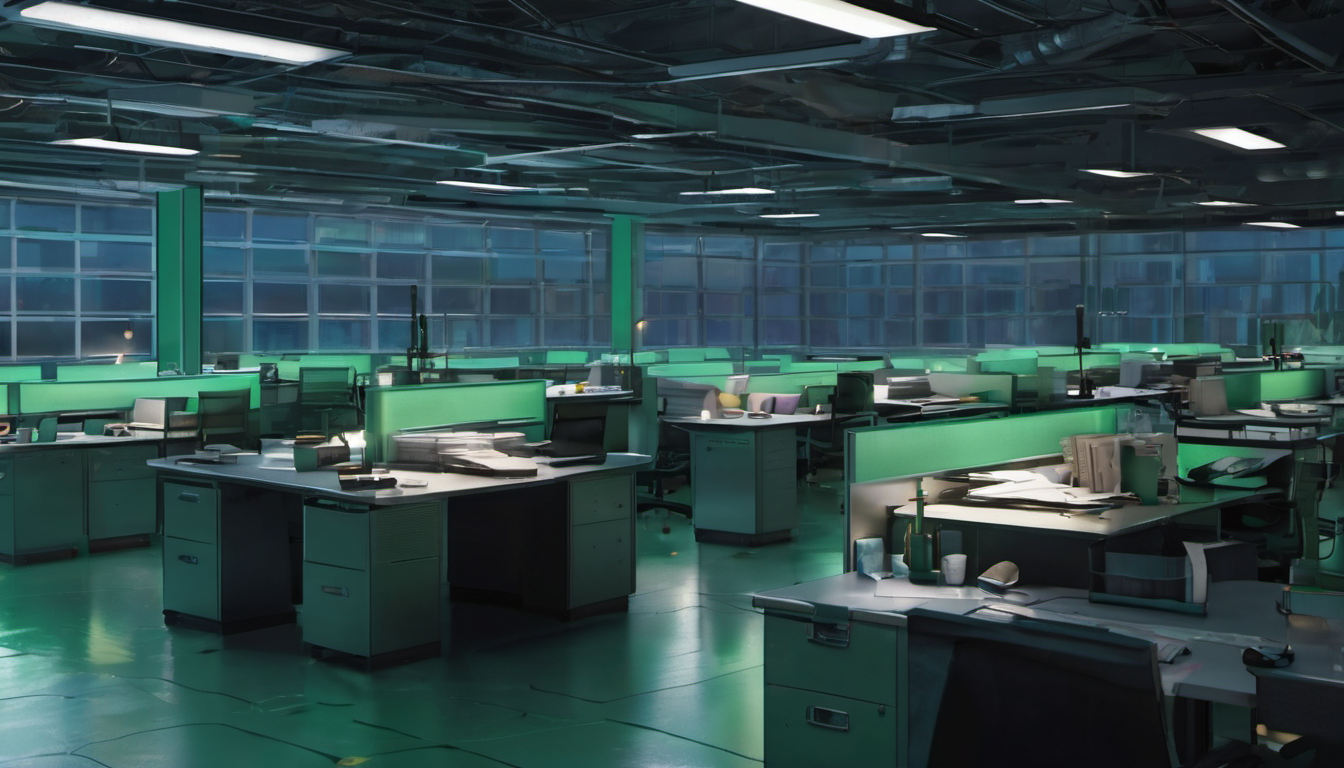
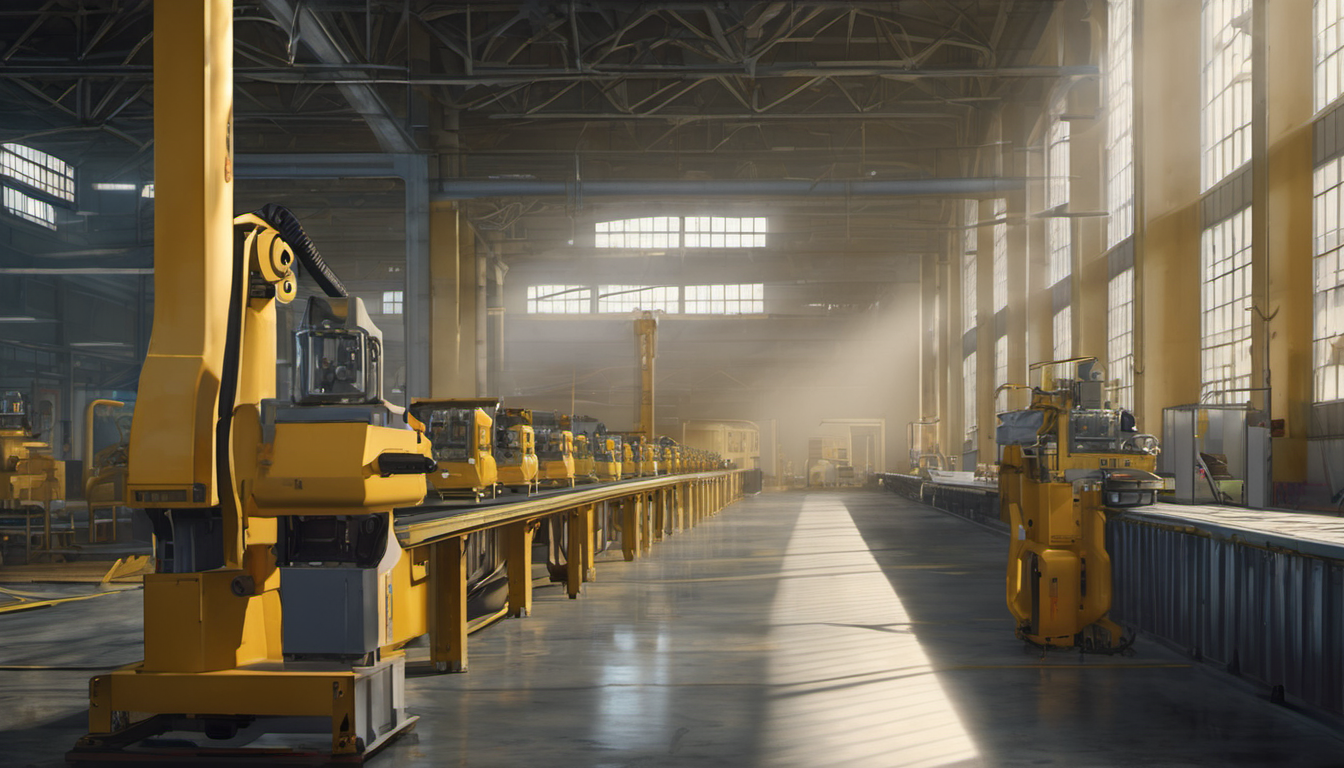
Starting July 20, workers at Hyundai’s Ulsan complex — the largest single auto plant on earth — escalate to four-hour stoppages, and they’ll do it again on the 21st and the 22nd. Kia’s union has already burned through five rounds of talks. Hyundai’s went fifteen. Everyone walked away without a deal.
On paper this is a wage dispute. The union wants a basic monthly raise of 149,600 won (about $100), a bonus worth 800% of salary, and the retirement age lifted from 60 to 65. Standard Korean summer bargaining. But buried in the demands is one line that has nothing to do with money, and it’s the line that makes this strike the first of its kind: the union wants a formal guarantee on job security tied specifically to artificial intelligence and automation. No robot enters a Hyundai workplace, they’re saying, without a prior labor-management agreement.
Striking over a robot that isn’t there yet
Here is the part worth sitting with. The robot at the center of this fight isn’t on the assembly line. It isn’t scheduled to be for two years.
Hyundai Motor Group unveiled the production version of Boston Dynamics’ Atlas at CES 2026 — a machine over six feet tall that can lift more than 100 pounds — and then published a rollout plan more specific than manufacturers usually bother with. Atlas starts parts-sequencing work in 2028. It expands into component assembly by 2030. Eventually it takes on the repetitive, heavy, and hazardous jobs that grind human bodies down over a thirty-year career. The group has talked about deploying more than 25,000 of them across Hyundai and Kia factories.
So the workers are bargaining pre-emptively. They are not trying to reverse a layoff. They are trying to write the rules before the machines that would justify the layoff show up. That’s the strategically interesting move here: everyone else in the automation story reacts after the robot arrives and the jobs are already gone. Ulsan’s union is trying to negotiate from strength — while they still have the leverage of 35,000 bodies that can stop half of Hyundai’s global output.
The math the company is running
Hyundai owns Boston Dynamics — it’s in the process of taking full ownership — so the economics are in-house. A Samsung Securities analyst pegs each Atlas at roughly $130,000 and estimates it pays for itself in about two years of operation. Hyundai’s own projection is that once cumulative Atlas output passes 50,000 units, the per-robot cost falls toward $30,000.
Run those two numbers together and you see the shape of the thing. At $130,000 with a two-year payback, Atlas is already competitive with a Korean auto-worker’s fully loaded cost. At $30,000, it isn’t a comparison anymore. The union has clearly done this arithmetic, which is why the demand isn’t “pay the robots less” — it’s “you don’t get to bring them in without our signature.”
The company’s counter-argument writes itself, and it isn’t dishonest: nobody is being fired today, the 2028 date is real, and Atlas is aimed at the jobs that injure people. That last part is true. But “the robot only does the dangerous work” and “the robot does work a person used to be paid for” have never been mutually exclusive, and the union knows which sentence ends up on a payroll.
Why this one travels
The stoppage is expensive on its own terms — local reports put the lost production around 200 billion won, roughly 5,000 vehicles. But the reason to watch Ulsan isn’t the vehicle count. It’s that Korea just became the test case for a fight every major automaker is going to have.
For two years the automation debate has been abstract: someday the machines arrive, someday the jobs go, someday somebody negotiates. Ulsan collapsed the “somedays” into a specific week in July, over a specific robot with a specific 2028 start date. The workers didn’t wait to see whether the displacement would happen. They treated the rollout plan as the layoff notice it functionally is, and they struck against a schedule.
That’s the precedent. Not “robots took our jobs.” It’s “we stopped the line before they could.” Whether it works is the thing worth watching — and every union at every plant with an automation roadmap is watching it too.
Sources
- Hyundai, Kia and GM Korea on verge of strike amid faltering wage talks (Korea Times, July 10, 2026)
- Hyundai workers in South Korea strike over humanoids (Semafor, July 15, 2026)
- Hyundai, Kia and GM Korea are barreling toward a strike over jobs the robots haven’t taken yet (Yahoo Finance)
- The AI robots won’t strike, so Hyundai’s workers did it first (Carscoops, July 2026)