There is a shadowy corner of the startup world called the robot cooking graveyard. Zume Pizza, with its truck-mounted robot pizza ovens, lies there. Wavemaker Labs, the smoothie-bot people, are next to it. CafeX, which made robot coffee for airports, is six feet under nearby. Each one promised to revolutionize food. Each one ran out of money before convincing anyone the food was actually better.
This week, Chef Robotics announced it is, in its own words, not in the graveyard. It is, in fact, thriving. And it is now coming for ghost kitchens — those windowless industrial buildings full of brand names you’ve never heard of that exist solely to feed the DoorDash and Uber Eats algorithms.
How Chef escaped where Zume died
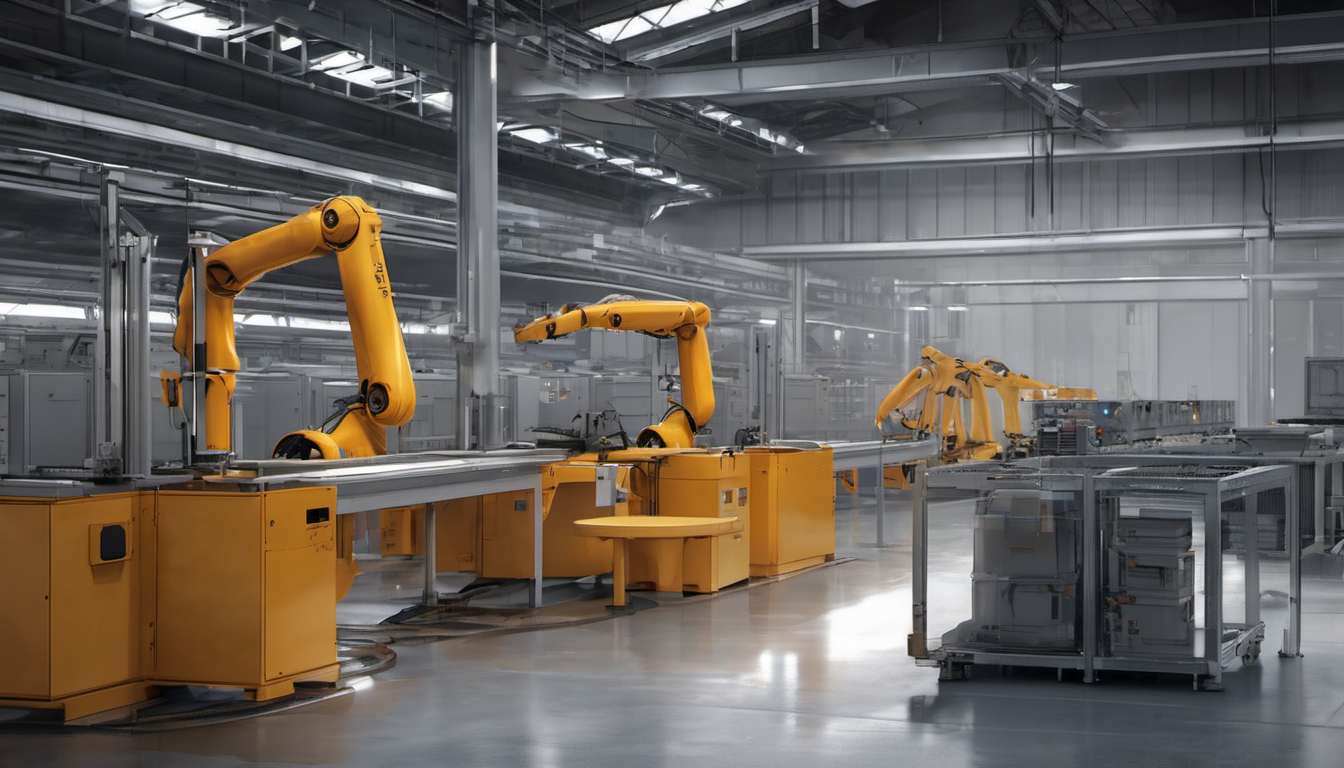
Chef Robotics’ core product is a robotic arm that portions and plates prepared food in commercial kitchens. Not cooking from scratch — that’s where Zume burned its $445 million. Just the precise, repetitive, mind-numbing job of putting exactly 4 oz. of mac and cheese into a tray, exactly the same way, 10,000 times a day.
The company’s secret weapon, according to its TechCrunch announcement on April 17, is data. Chef’s robots have now plated over 100 million real servings, and every one of those servings has fed back into the training models. The arms have learned to handle slippery noodles, sticky rice, irregular chicken pieces, mushy broccoli — all the textures that previous food robots failed at the moment a real cook went on break.
The customer list now includes Amy’s Kitchen, Sunbasket, Cuisine Solutions, and several enterprise meal-prep operators who would prefer not to be named because their packaging still says “made with care.” Care, in this case, has a 6-axis arm.
The ghost kitchen pivot
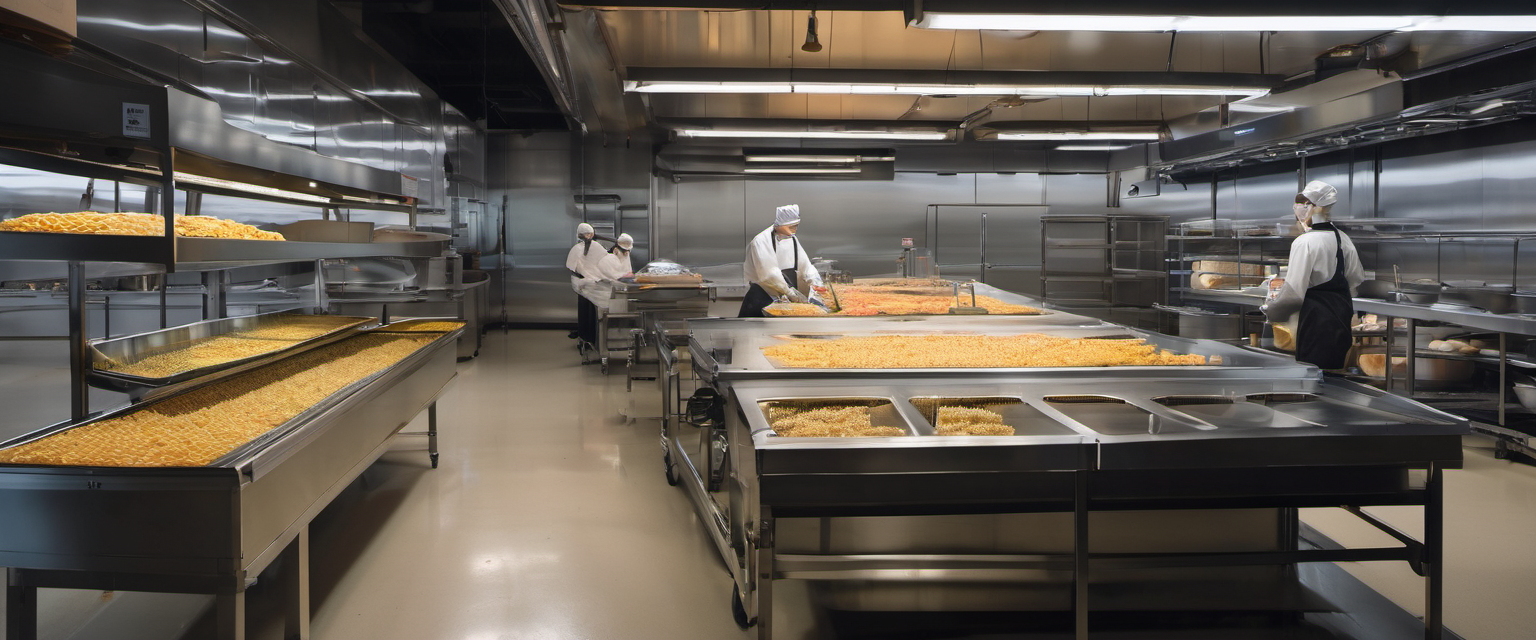
Ghost kitchens are the unlovely, hyper-efficient back end of the food delivery economy: shared commercial kitchen space where one operator might run eight different “restaurant brands” out of the same hood. Maximum throughput, minimum payroll, zero dine-in service. They are, structurally, the perfect environment for food robotics — uniform menus, standardized portioning, no customer-facing presentation requirements, and labor costs that already get scrutinized down to the second.
Chef’s pitch to ghost kitchens is straightforward: a robotic plating cell can run all three meal services, never call in sick, never quit during a Friday rush, and produces serving-to-serving consistency that human prep cooks physically cannot match after hour seven on their feet. The math gets ugly fast for anyone currently holding a portion scoop.
Who actually loses
Line cooks at full-service restaurants are mostly safe — for now. The flagship steakhouse is not getting a robotic arm. But the assembly-line jobs at industrial commissaries, central kitchens, meal-kit factories, and delivery-only ghost brands are exactly the segment where Chef Robotics’ economics make sense. The U.S. has roughly 2.5 million food prep workers, with a meaningful chunk of them concentrated in exactly these high-volume, low-creativity environments.
Meanwhile, restaurant lobby groups are quietly making peace with the trend. Labor shortage is the public narrative; “labor shortage forever” is the unspoken business plan.
The honest part
Chef’s story is less “robots took over cooking” and more “robots took over the most boring 30% of cooking, the part nobody romanticized in the first place.” It’s incremental, it’s industrial, and it’s a lot more durable than the robot pizza truck that crashed and burned in 2020. Which, as far as automation goes, might be the actual model: not the splashy humanoid demo, but the boring, profitable cell that quietly does one thing forever.
Your $14 pasta delivery now contains exactly 4.00 oz of noodles, 1.50 oz of sauce, 0.75 oz of cheese, and zero oz of resentment. Enjoy.