On July 28, the FCC barred new Chinese humanoid robots and robot dogs from the US market. On August 10, the company that sells more of those robots in America than anyone else answered: it is not leaving, it is building a factory.
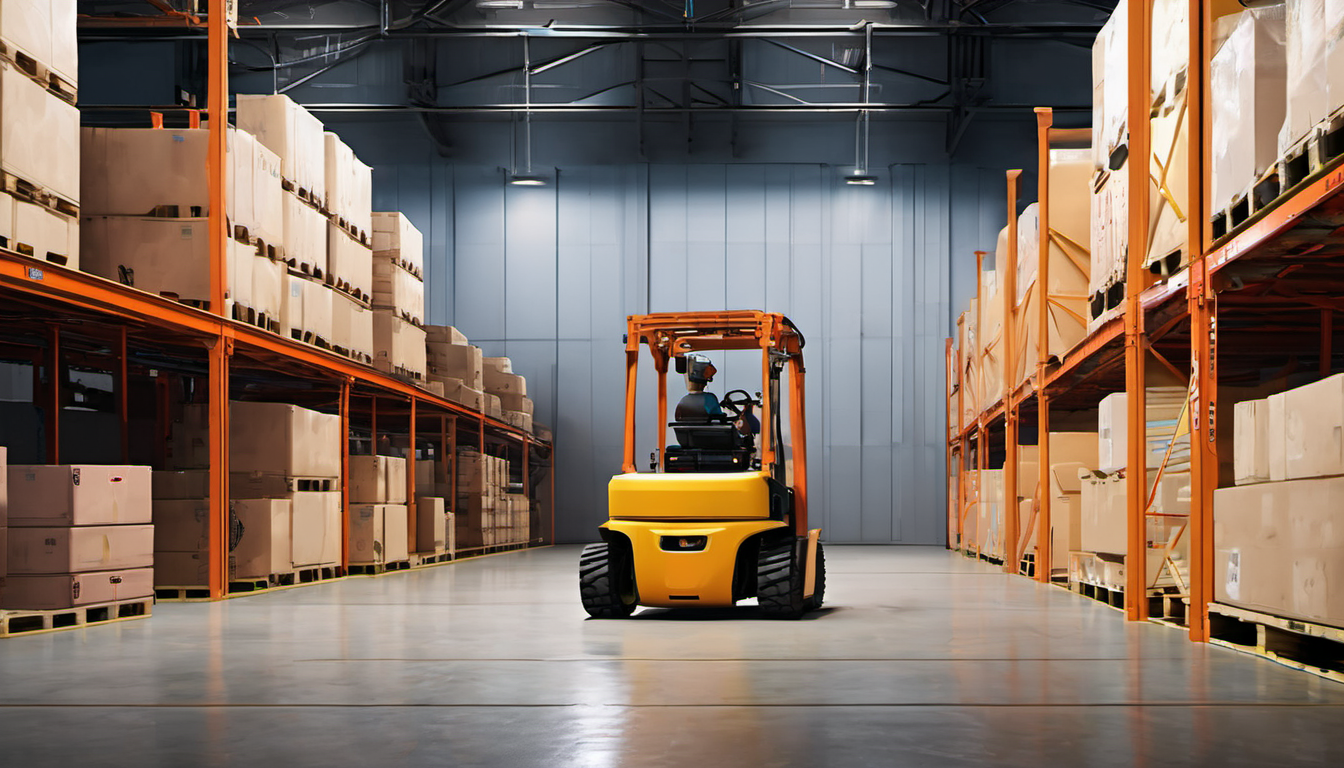
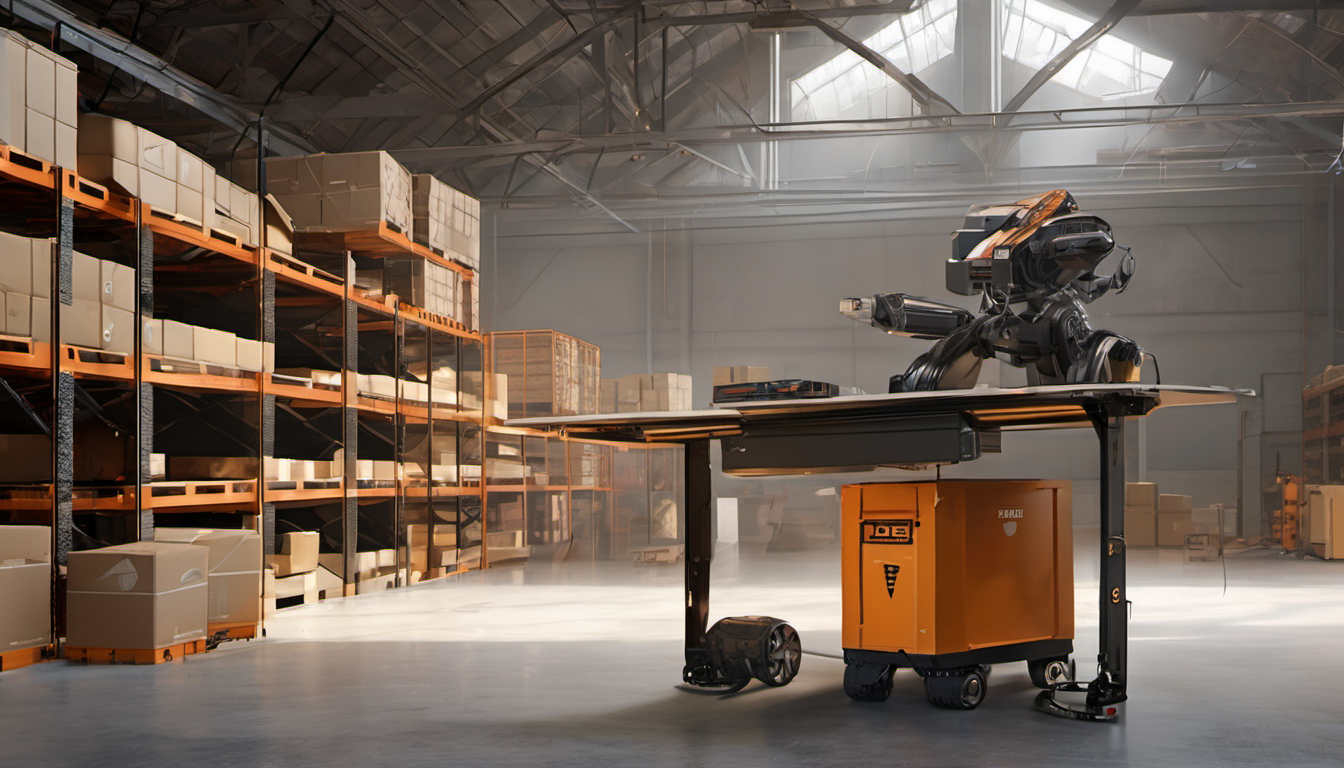
RoboStore, the leading North American distributor of Unitree’s humanoids and quadrupeds, came out of a year in stealth to launch Robo Inc., a US-based robotics manufacturing and systems integration company. The new firm will run a 66,000-square-foot facility on Long Island, New York, producing what it calls US-localized robotic solutions from January 2027, fully operational within Q1.
Thirteen days from ban to announcement. The sequence is the story.
The hand the dealer is holding
RoboStore’s position was built one shipment at a time: more than 1,500 humanoid and quadruped robots sold and deployed, 4,500 customers, a list that includes Harvard, MIT, Amazon and Nvidia. Its Roboverse developer community, 4,000+ members, moves under the Robo Inc. umbrella and keeps operating.
The new company describes its model as global-to-local. Robot platforms and components come from global supply chains; engineering, software, integration, production, testing, service and support happen in the United States. The announcement itemizes security checkpoints designed into the integration process: reviews of data flows, network access, software controls, operating environments and application-specific risks.
Founder and CEO Teddy Haggerty put the intent in one sentence: “With U.S.-based assembly, localized data infrastructure, and domestic integration, Robo Inc. will create a robotics platform built for American compliance.”
Read that against the FCC’s stated rationale, which was supply-chain and data security. Every selling point of the new business is built against a specific clause of the ban. Data stays domestic. Assembly happens onshore. Software is controlled. Each unit is security-tested. That is not coincidence; it is product design.
Run the timeline
We covered Unitree’s side of this two weeks ago: the July 28 FCC rules block only models not yet authorized for US sale, and nine days later Unitree priced its Shanghai IPO with overseas revenue running above 40% of its business. Our read then: the ban doesn’t decide whether the robots come, only when, at what price, and wearing whose badge.
Now add the third date. On August 10, the distributor announced onshore production. A year in stealth means the decision predates the ban, but choosing this fortnight to go public says management regards the current mood in Washington as its best prospectus.
The useful contrast is the other route to the same bet. Standard Bots raised $200M in June on a pure American-made pitch, its founder openly lobbying for a full ban on Chinese robots. Robo Inc. runs the opposite play: concede that the supply chain is global, largely Chinese, and turn the last domestic mile into the business. One wants the wall higher. The other is installing a toll gate in it. Both are pricing the same assumption, that Washington’s scrutiny will keep tightening and that scrutiny itself can be converted into revenue.
One line in the announcement deserves a slow read: Robo Inc. is hardware-agnostic, selecting platforms and components per application. From a company built on Unitree volume, that sentence addresses two audiences at once. To customers: if any single brand gets banned outright, the solution survives. To regulators: we sell integration and compliance, not a Chinese company’s franchise.
Compliance is now a job category
The labor story here is more specific than “another robot factory.”
The Long Island plant will not be hiring assembly-line labor in the traditional sense. Walk through the functions the announcement lists and the roster is integration engineers, software engineers, security and compliance reviewers, test technicians, service and support staff. This is a new employment layer: robots that are not invented here and mostly not manufactured here, but must be audited, assembled, certified and maintained here. Call it compliance-layer employment. Every clause added to the import rules makes the layer thicker.
For buyers, the change is equally concrete. Purchasing a quadruped used to mean placing an order, receiving a crate and figuring it out. The Robo Inc. version is a package that arrives with its data flows reviewed, network isolation configured and risks assessed per deployment scenario. It will cost more, the justification will be stronger, and every added step in that procurement checklist corresponds to a person on Long Island.
For the warehouse and facility workers on the other end of these deployments, the conclusion from our Unitree coverage stands unedited: the ban does not protect your job; it changes the machine’s route and its price. What’s new is a checkable milestone. Robo Inc. says production starts January 2027. Two numbers will tell the story in its first two quarters: how many localized robots ship, and whether they land in research labs or in warehouses and plants. The first is a research budget. The second is a payroll ledger. When the first deployment case studies publish, we will reconcile the account.