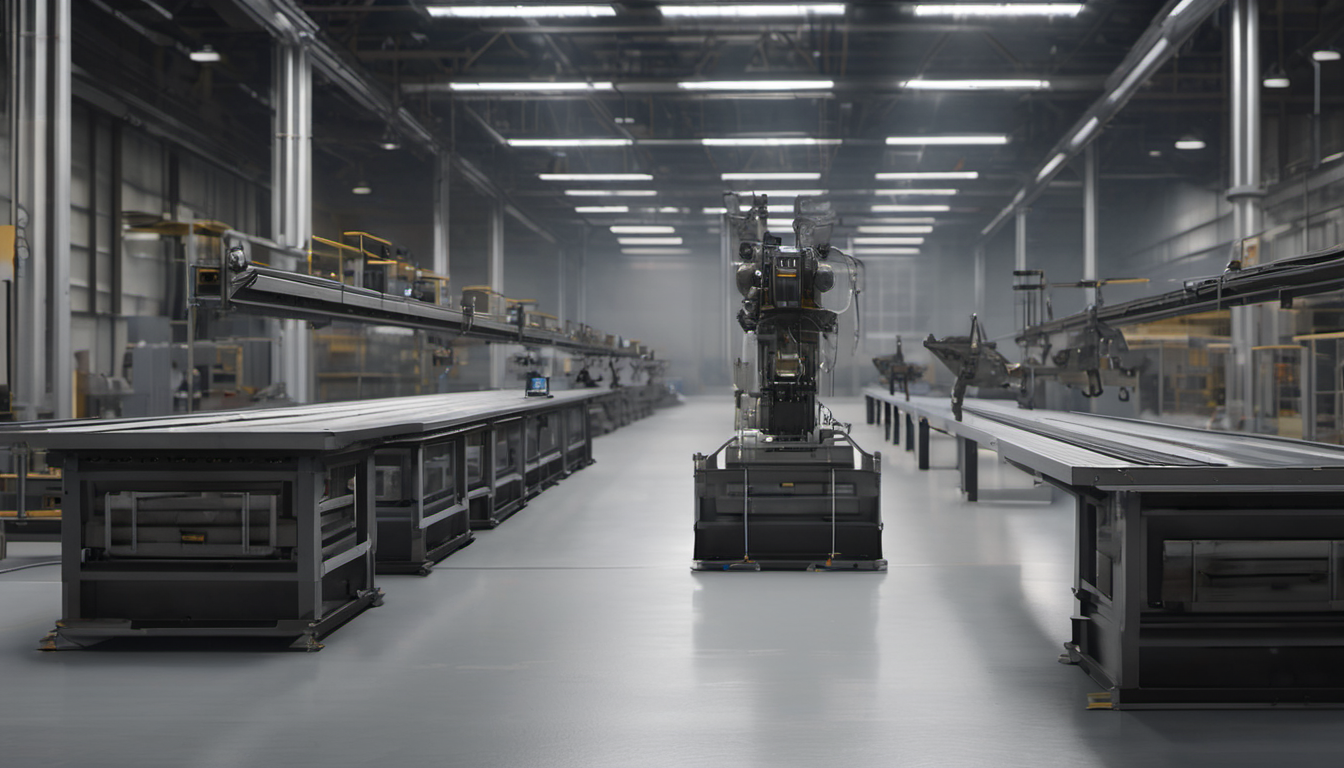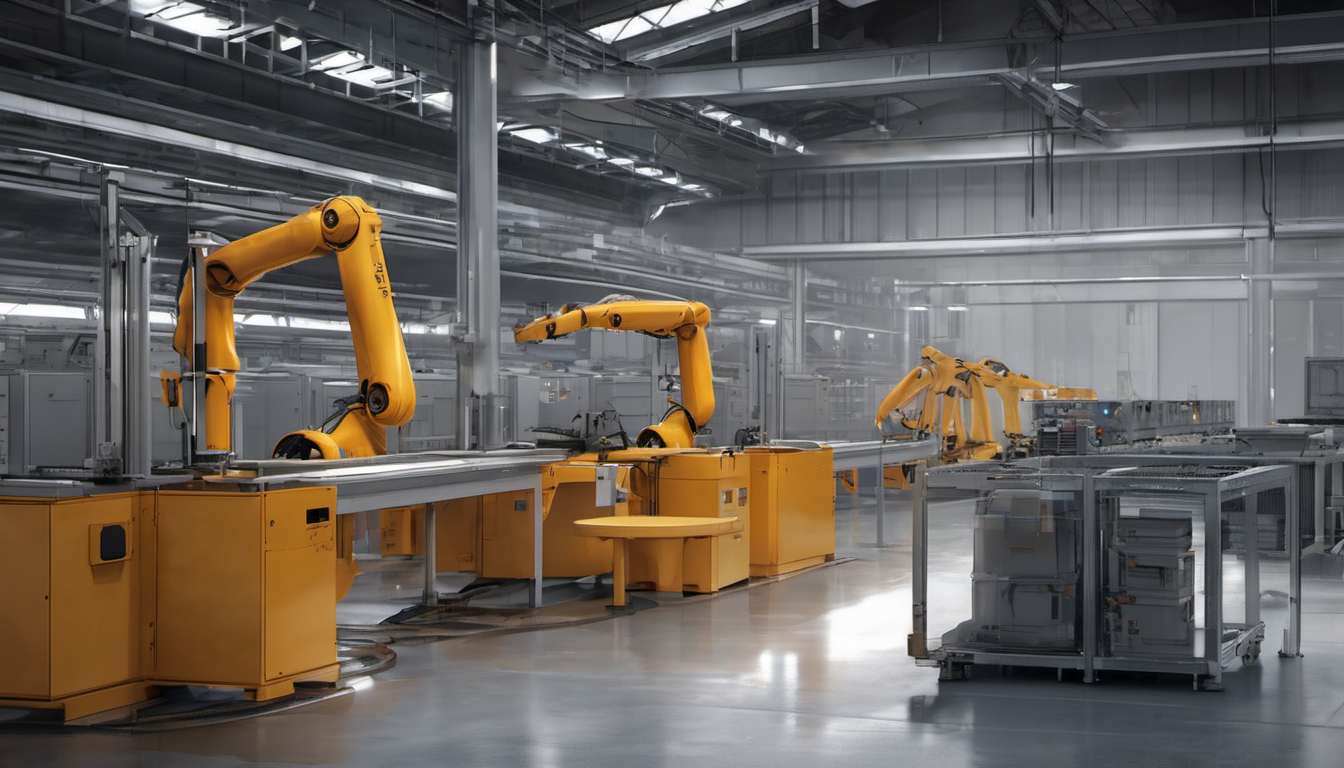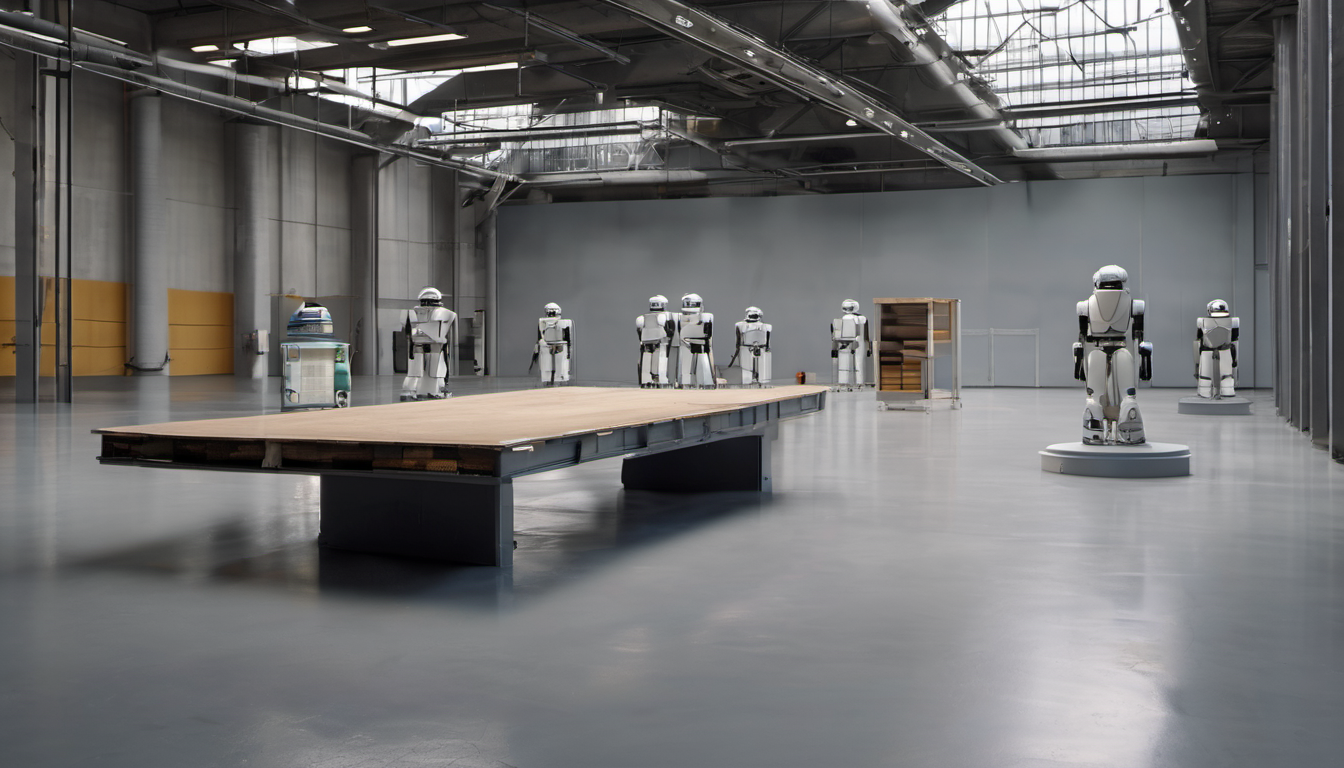

The 2026 World Robot Conference opened in Beijing’s Yizhuang district on August 19 under the theme “human-machine symbiosis, supply-demand integration.” More than 300 Chinese and international companies brought over 3,000 exhibits, per Chinanews reporting from the floor.
The exhibits are not the story. The calendar is.
For the first time, the conference split its five days by function. August 19 is launch day, for major results and product debuts. August 20 is procurement day, given over entirely to purchasing negotiations and supply-chain matchmaking. August 21 is developer day. August 22 and 23 are open to the public.
An eleven-year-old technology show just handed its second day to order-writing. That is the hardest fact this conference produced.
The numbers, first
China Electronics Society deputy chair Zhao Yunfeng gave the pre-show tallies: 300-plus exhibitors, up 36% from last year; 150-plus product debuts, up 21%; 60-plus concurrent events, double last year. Exhibits were projected above 2,000; Chinanews counted more than 3,000 on opening day.
The industry figure came from Hao Lishun, deputy director of MIIT’s first equipment industry department. From January through May, Chinese robotics enterprises above designated scale booked more than 90B yuan in operating revenue, up 26.9% year over year, against a five-year average growth rate above 20%.
China Electronics Society chair Xu Xiaolan supplied the structural set. China has been the world’s largest industrial robot market for 13 consecutive years. Domestic brands now hold over 50% of that home market, with reducers, servo systems and controllers moving into volume supply. On humanoids: China accounted for 90% of global shipments in 2025 across more than 330 products, and humanoid exports rose 210% year over year in Q1 2026.
Beijing reported its own line. More than 30 humanoid OEMs sit in the city, over 20% of the national count. Municipal robotics revenue climbed from 15B yuan in 2023 to 51.8B yuan in 2025, a compound rate above 85%. The 2028 target is 200,000 units of annual assembly capacity.
A procurement day is not a market signal
Put “procurement day” back into the context it appeared in and it changes character.
SASAC will announce the formation of a central state-owned enterprise robotics innovation consortium at the venue, built around shared research, shared deployment scenarios and shared results. Launching alongside it is a “global robot application exploration program,” recruiting mass-produced humanoids, quadrupeds and dexterous hands from leading manufacturers and handing them free to selected teams for real-environment trials.
We covered China’s push to place 10,000 humanoids into working roles on July 5. The read then was that demand on the Chinese side is not assembled out of individual corporate capex budgets; it is organized through an administrative channel. The consortium advances that by one notch. It pools central SOE deployment scenarios into a single shared inventory, so manufacturers ship into one door instead of negotiating company by company.
The conference calendar now maps onto that channel. Launch day produces product, procurement day produces orders, developer day produces ecosystem, public day produces sentiment. Last year this was a showcase. This year day two is an order desk.
The cohort point sharpens it. On August 18, Unitree disclosed roughly 18,000 cumulative bipedal humanoids in its listing filing, a figure it had never published. One company reached 18,000 units over a decade. One Chinese municipality has set itself 200,000 units of annual capacity by 2028. Those numbers are not the same order of magnitude, and they are not driven by the same force.
The two exhibits actually replacing people
Two booths on opening day put dates on the displacement.
Chongqing Longmeika brought a segmented automated shipbuilding welding system. Engineer Li Hao told Chinanews the robots take over high-heat, high-glare, high-noise welding environments and run around the clock. The load-bearing sentence came next: the system is already deployed at a Korean shipyard, drawing welding assignments from the yard’s existing scheduling system, working the overall frame welds after hull sections are joined, with operation essentially unmanned.
“Drawing assignments from the yard’s existing scheduling system” matters more than “essentially unmanned.” It means this is not a walled-off automation cell. It is wired into the production schedule the yard already ran, taking work through the same logic that used to route jobs to welders. The substitution happens inside the process, invisible from outside.
We have tracked this line for three months. On June 8, Hanwha Ocean put AEiROBOT’s Alice into the yard. On August 6, HII assigned roughly $900M of shipyard work to robots. Now a Chinese supplier is selling “Korean shipyard, essentially unmanned” from a Beijing booth as a completed reference. The line moved from plan to case study.
The second booth belonged to Shanghai Moqi Wanxiang, a company less than a year old. Its MORPHI KINO wheeled robot ran a 15-minute autonomous long-horizon task across a simulated home: living room cleaning, tabletop tidying, restocking drinks in the fridge, then washing, drying and folding laundry, chained end to end.
Perception algorithm specialist Wen Yuxiang gave his own timeline. Two to three years to complete full-workflow testing in hotels, five years to move gradually into consumer homes.
Two clocks, one already run out, one set by the vendor
The two booths point at different job families on different scales.
Shipyard welding has already happened. The conditions are hostile, the sequence is standardized, the work envelope is fixed, and quality is instrument-verifiable. Line those up and the robot economics close without needing general intelligence. The barrier was never whether a machine could weld. It was whether it could plug into the yard’s production schedule, and Longmeika says that gate is now passed. Chinese, Korean and American yards moved in the same direction inside a single quarter. That is not one yard’s procurement preference.
Hotel housekeeping and domestic chores run on a clock the vendor set himself. Two to three years for full hotel workflow testing, five years into homes. Discount it: the long-horizon demo ran in a simulated apartment, and real hotels have corridors, elevators, keycard doors, luggage dropped at random and guests who will not move. But note who said it. Not an analyst. A supplier who has to take that timeline into customer meetings. A vendor’s published deployment schedule is usually the most conservative version he is willing to commit to, not the most optimistic.
So the signal to watch on room cleaning is not whether humans still do it next year. It is when hotel groups start writing “robot-accessible” into the design specification for new properties. Once the spec changes, substitution stops requiring anyone to convince a general manager.
How to read this show if you are job hunting
The information here is layered by where you sit in the chain.
Supply side is still expanding. Revenue up 26.9% through May, exhibitors up 36%, one city building toward 200,000 units of capacity in two years. Those figures translate into real headcount in assembly integration, components, systems integration, on-site commissioning and field service. Commissioning and field service especially: wiring a robot into a customer’s existing scheduling system is precisely the hard part of the Longmeika case, and that work is not near-term self-replacing.
Demand side reads in reverse. A procurement day exists because orders are moving from pilot to volume, and volume purchasing targets standardizable process steps. If your job clears three conditions at once, fixed environment, repeated motion, instrument-verifiable output, it is already inside the range of the purchase list. What remains is queue position.
The next calibration window is what gets signed after procurement day on August 20, and the first scenario list published once the SOE consortium is formed. That list will tell you which process steps the central enterprises intend to hand over first. It is worth more than any keynote at this conference.