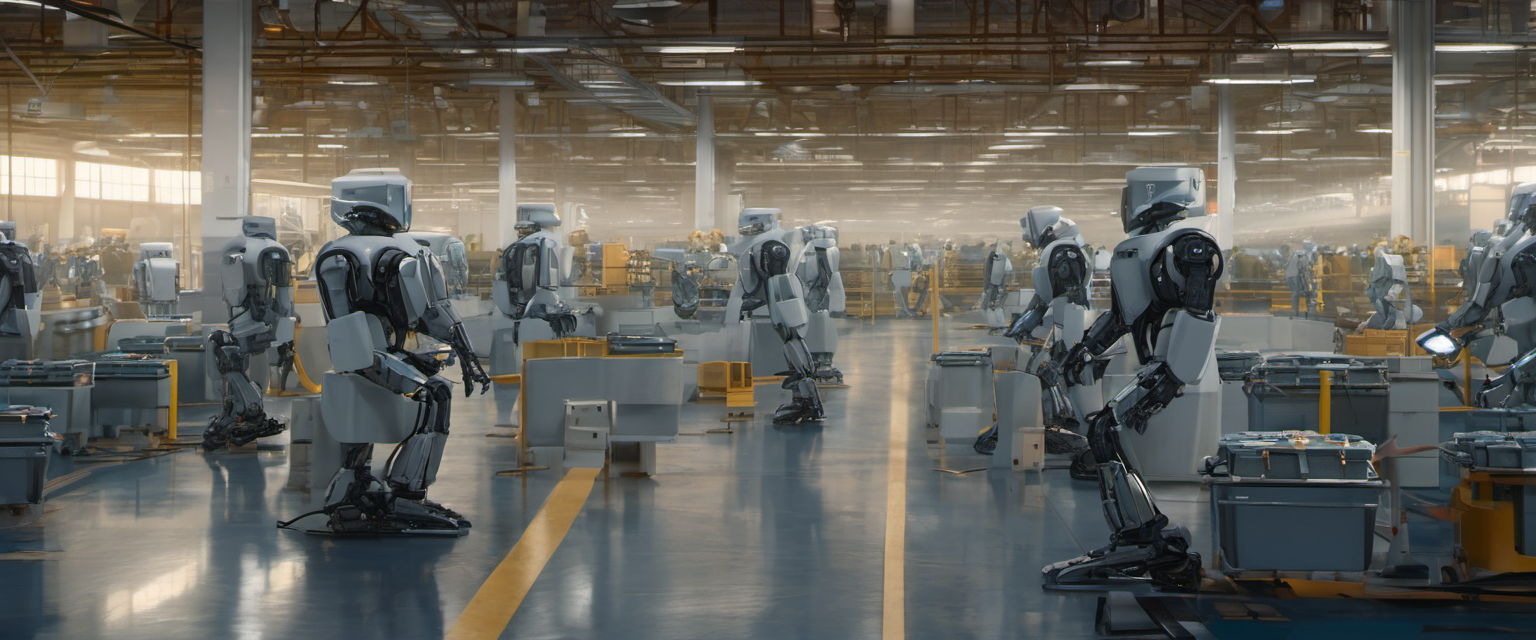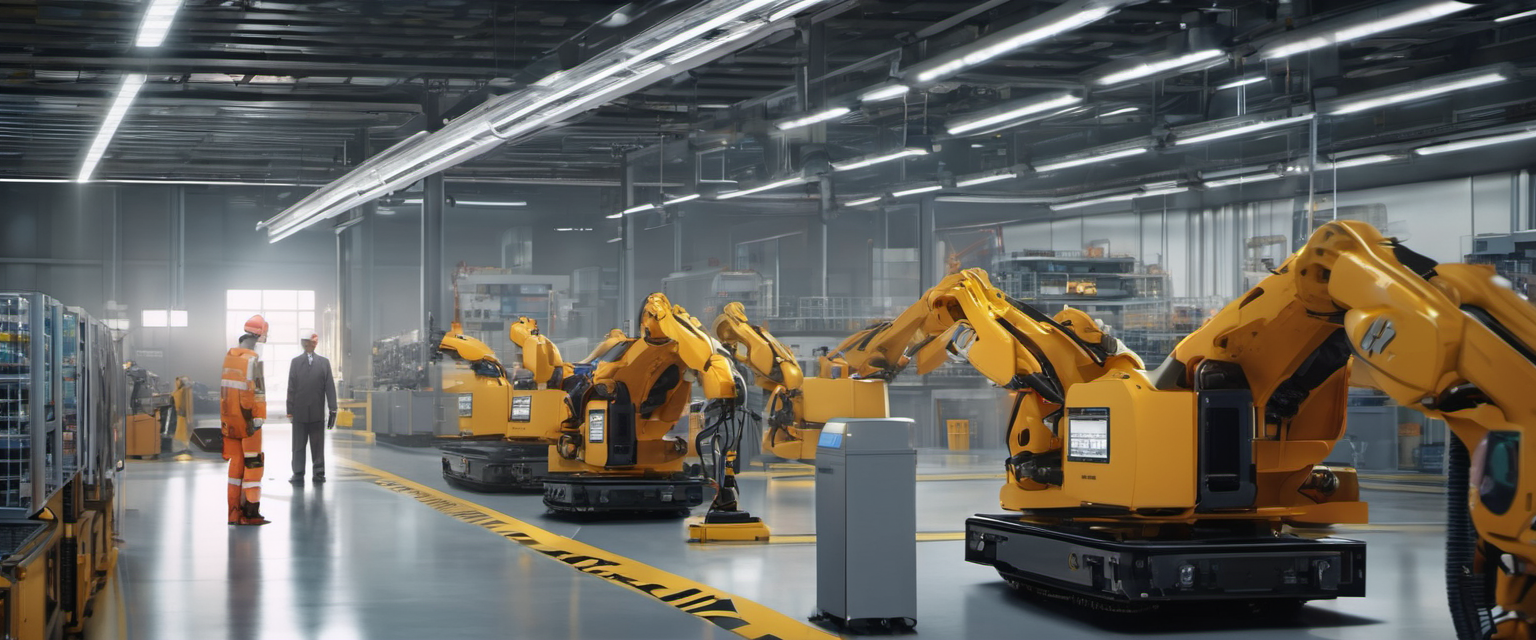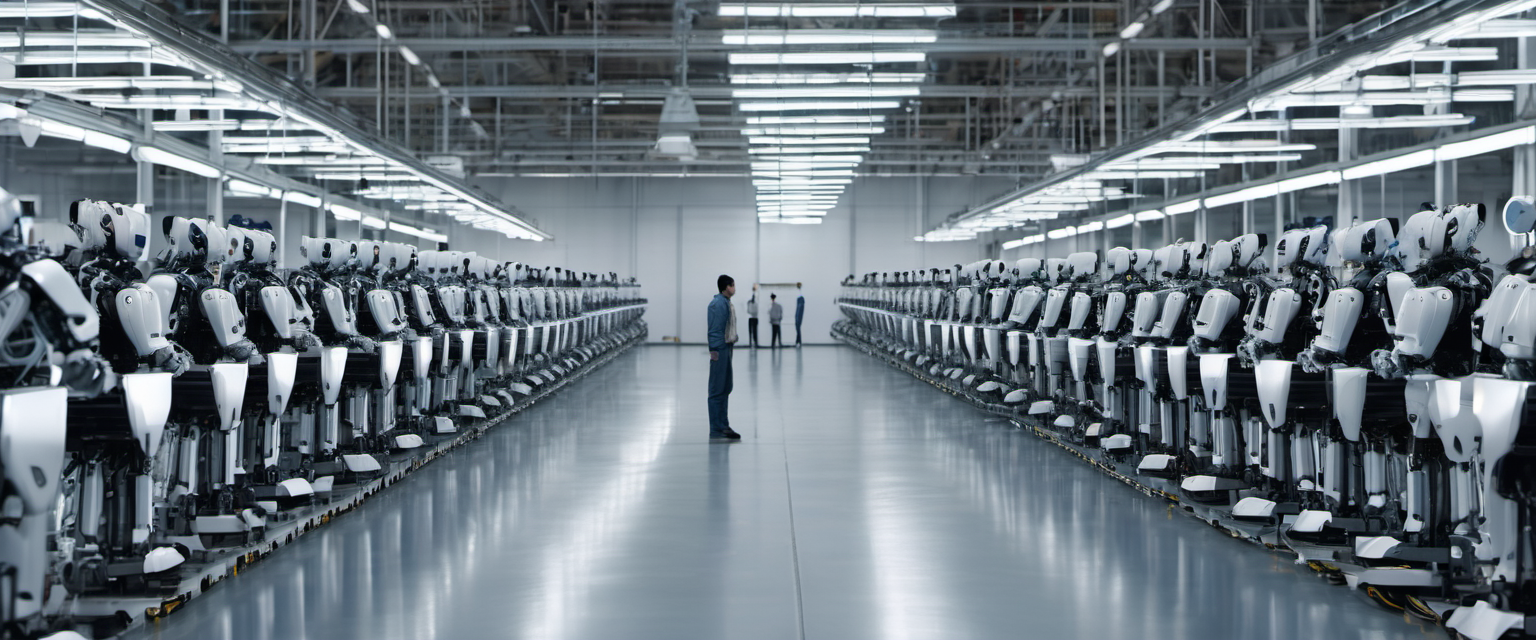
There is a particular genre of press release that the humanoid robot industry has perfected this year: the unit-number milestone. A robot rolls off an assembly line, someone slaps a commemorative number on it, and a photo goes out to the wires. On June 28, Chinese robotics firm AGIBOT ran the play again, announcing that its 15,000th robot had come off the line. The honoree was an AGIBOT G2, the company’s industrial-grade “embodied task” model — the kind built to stand at a workstation, not pose on a stage.
The number that actually matters is the slope, not the total
Fifteen thousand robots is a large and slightly abstract figure. The more telling number is how fast AGIBOT got there. The company, founded in February 2023, says it took roughly a year to climb from its 1,000th unit to its 5,000th. The next leg, 5,000 to 10,000, took about three months — a fourfold acceleration. It hit 10,000 in early June, a milestone that itself only made the news a few weeks ago, as Unitree’s IPO cleared and the two firms were cast as a China humanoid duopoly. Now, before June is even out, the count reads 15,000.
That is the part worth pausing on. A milestone press release is normally a once-a-quarter event. AGIBOT is now issuing them fast enough that the 10,000 photo and the 15,000 photo land in the same month. When the gap between your bragging milestones shrinks faster than the milestones grow, the brag is no longer about any single robot. It is about the curve.
Built, shipped, and working are three different verbs
Here is where a little skepticism earns its keep. “Rolled off the production line” means built. It does not, on its own, mean sold, deployed, or doing a job that a person used to do. Those are three separate claims, and the industry has a strong incentive to let the first one stand in for the other two.
The reality check comes from outside the company. Market researcher Omdia ranked AGIBOT first in the world for humanoid robot shipments in 2025, with 5,168 units shipped and a 39% global share. Take that seriously and a gap opens up: a company that shipped about 5,000 robots in all of last year now says it has built 15,000. Some of that is a genuine, steep ramp in 2026. Some of it is almost certainly inventory, demo units, and machines sitting in showrooms and partner labs rather than clocked in on a factory floor. The honest read of “15,000th unit built” is not “15,000 jobs replaced.” It is “AGIBOT has the manufacturing throughput to make humanoids at automotive volumes,” which is a real and significant thing to be able to say — just not the same thing.
Why a Chinese firm hitting volume is the story to watch
Strip away the milestone theater and the underlying trend is the one that should concern anyone thinking about where physical work goes next. The American humanoid names that dominate the headlines — Figure, Tesla’s Optimus, Boston Dynamics — were each shipping a few hundred units or fewer last year. The volume leaders are Chinese: AGIBOT and Unitree, each measured in the thousands. The G2 in particular is pitched not as a research curiosity but as a worker for “industrial and real-world operational scenarios,” the polite phrase for repetitive manual tasks on a line.
The competitive question for the next two years is not which humanoid can do the most impressive backflip. It is which company can build them reliably, cheaply, and by the tens of thousands — because that is the threshold at which a robot stops being a prototype and starts being a line item that a factory operations manager can actually requisition. AGIBOT is telling the market it has crossed into that territory, and it is telling the market twice in one month.
For workers in manufacturing, logistics, and warehousing, the useful takeaway is not to panic over a commemorative robot photo. It is to track the slope. A company that needs a year to go from 1,000 to 5,000 units is an experiment. A company that goes from 10,000 to 15,000 in a few weeks is a supplier. AGIBOT spent June insisting it has become the second kind.