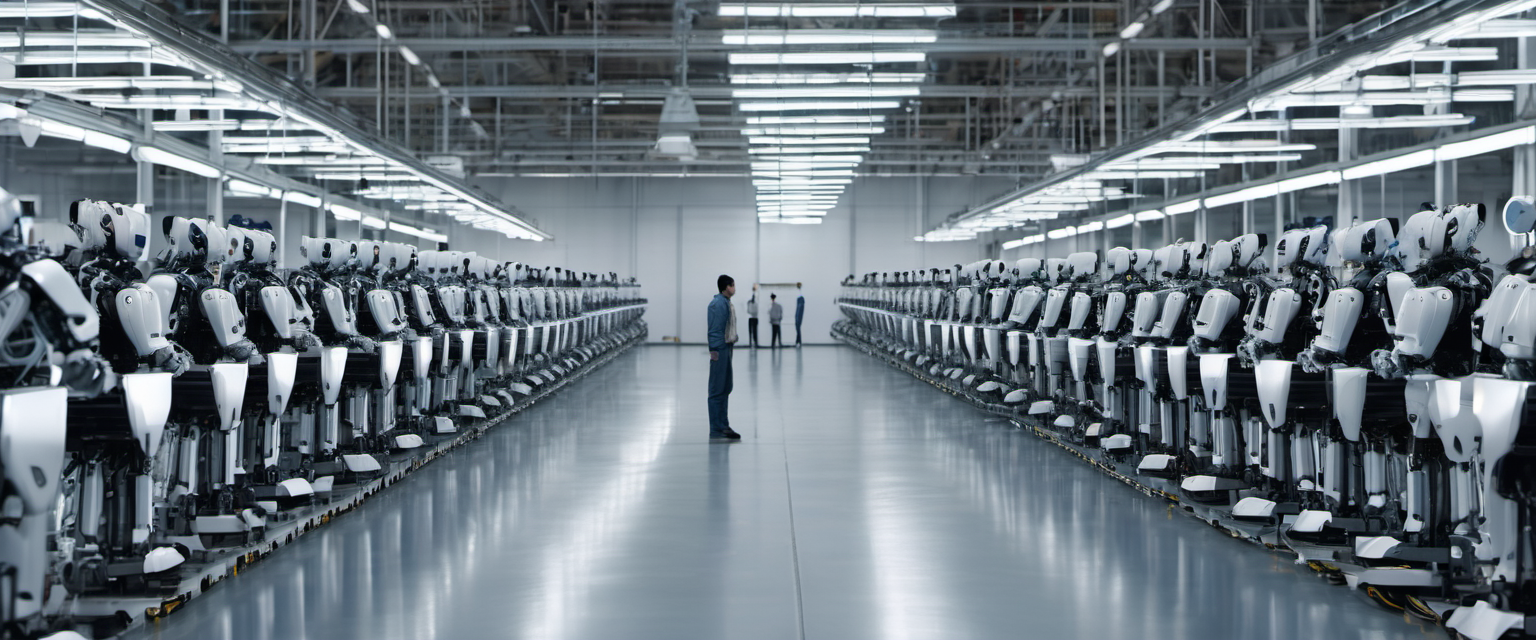
For a few years the humanoid-robot conversation was, functionally, a Tesla conversation. Elon Musk would put a number on a slide, the number would be enormous, and everyone else would react to it. The most famous of those numbers was 10,000 — the Optimus units Tesla projected building in 2025. That year has come and gone, and the tally of Optimus robots doing useful work inside Tesla’s own factories, by the company’s own January 2026 admission, was approximately zero.
The missing 10,000
This is worth stating plainly because the slides rarely revisit themselves. Tesla aimed for up to 10,000 units in 2025 and did not get there — not by a little, but to the point where the company conceded its own robots weren’t yet doing real factory work, per the reporting collected by Trefis and Yahoo Finance. The current plan is more modest: low-volume production starting at the Fremont plant this summer, with Musk himself warning the ramp is hard to predict because Optimus has roughly 10,000 unique parts riding on an entirely new assembly line.
There is nothing disgraceful about a hard engineering problem being hard. Building a general-purpose humanoid is genuinely difficult, and Tesla is not faking the difficulty. The problem is that Tesla spent years selling the timeline as the easy part, and the timeline is exactly what slipped.
The bettors have noticed
When the official forecasts and the actual output diverge this far, people start pricing the gap directly. On the prediction markets, where money rather than narrative sets the line, Optimus looks shaky. Traders on both Polymarket and Kalshi give the robot roughly a 14% chance of being released to the public by year-end; an earlier Kalshi read put the odds of it being available for sale in 2026 at around 21%. Either way, the crowd staking real cash is betting against the launch, not for it.
That matters because Morgan Stanley simultaneously expects something like 50,000 humanoid robots to ship globally this year. The striking part isn’t the headline number — it’s that Tesla, the company that made humanoids a mainstream investment story, is not meaningfully part of it. The market is forecasting a big year for humanoids and, in the same breath, leaving the most-hyped name off the shipping manifest.
Meanwhile, the rivals are just working
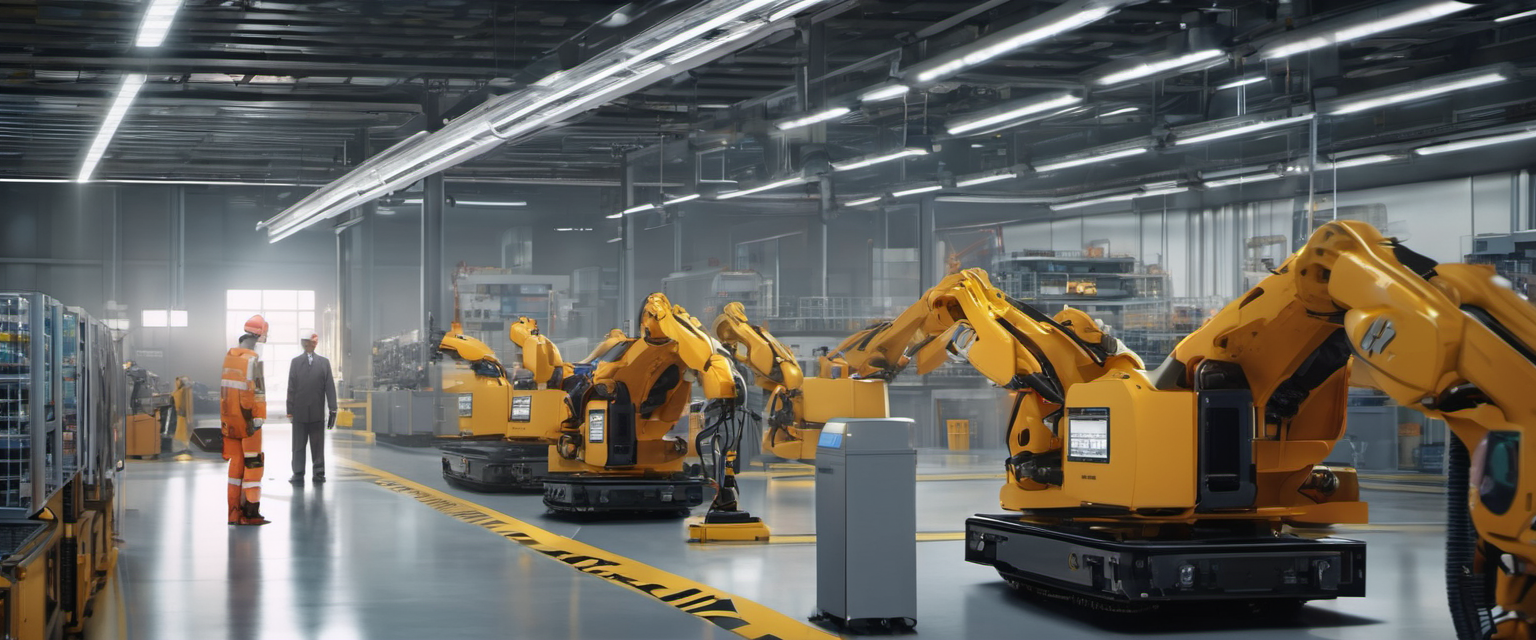
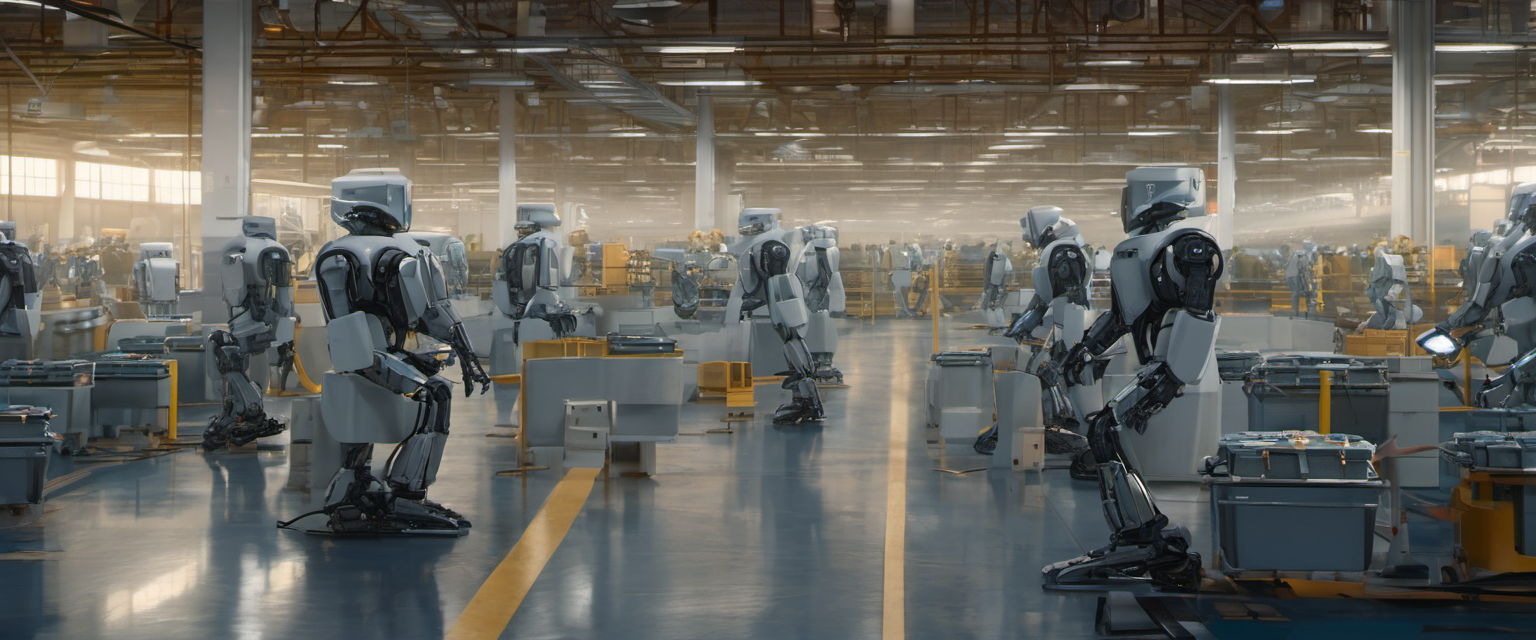
The reason the Tesla gap stings is that “humanoids can’t really do factory work yet” is no longer a safe excuse. Other companies are past the demo. Figure AI’s humanoids are on the BMW line in Spartanburg. Agility’s robots are hauling boxes inside Amazon warehouses. These are not livestream stunts; they are machines clocking hours in real operations, billed by the hour, supervised by real managers.
And then there is Unitree, which quietly did the thing every hype cycle eventually demands and almost never delivers: it made money. Per its IPO prospectus, Unitree shipped more than 5,500 humanoid robots in 2025, booked around 1.7 billion yuan — roughly $250 million — in revenue, and posted a net profit of about 278 million yuan, or some $41 million. A profitable humanoid company is still a rare animal, and the one that exists is not the one with the most famous founder. It’s a Chinese firm that priced its robots to actually sell and shipped them by the thousand.
For anyone tracking which jobs automation actually touches, the lesson is to watch the loading dock, not the keynote. The displacement that matters comes from robots that are deployed, reliable, and cheaper than the worker beside them — and right now those robots are wearing Figure, Agility and Unitree badges, not Tesla ones. Optimus may still get there; Tesla has the capital and the assembly-line expertise to make a serious run at it. But “may get there” is a very different claim than the one that has been on the slides for years, and the people betting money have read the difference correctly.