Agility Robotics, the Oregon company behind the warehouse humanoid Digit, is going public — not through a traditional IPO but through a merger with Churchill Capital Corp XI, one of serial SPAC sponsor Michael Klein’s blank-check vehicles. The deal, announced this week, values Agility at about $2.5 billion pre-money, is expected to close in the fourth quarter, and will put the combined company on Nasdaq under the ticker AGLT. If it closes as planned, Agility becomes the first US company devoted entirely to making and selling humanoid robots to trade on public markets.
What the deal actually is
The structure matters, so it’s worth being plain about it. This is a SPAC merger, which is the financing route a company takes when it wants the money and the listing without the scrutiny of a conventional IPO roadshow. The transaction carries a $2.5 billion pre-money equity value and is expected to raise around $620 million in gross proceeds, including a $200 million common-stock PIPE from new and existing investors, per TechTimes. That valuation is about a 19% step up from Agility’s 2025 Series C, which priced the company near $2.1 billion — a real markup, but a modest one by the standards of a sector where private humanoid valuations have been printing in the tens of billions.
SPACs deserve a raised eyebrow on principle. The 2020–2021 vintage of blank-check mergers produced a long list of pre-revenue hardware companies that hit the public market on a slide deck and cratered once the projections met reality. Agility is not quite that — it has customers and deployed units — but the vehicle is the same one that flattered a lot of ambitious hardware stories that didn’t survive contact with an income statement.
The part that’s genuinely real
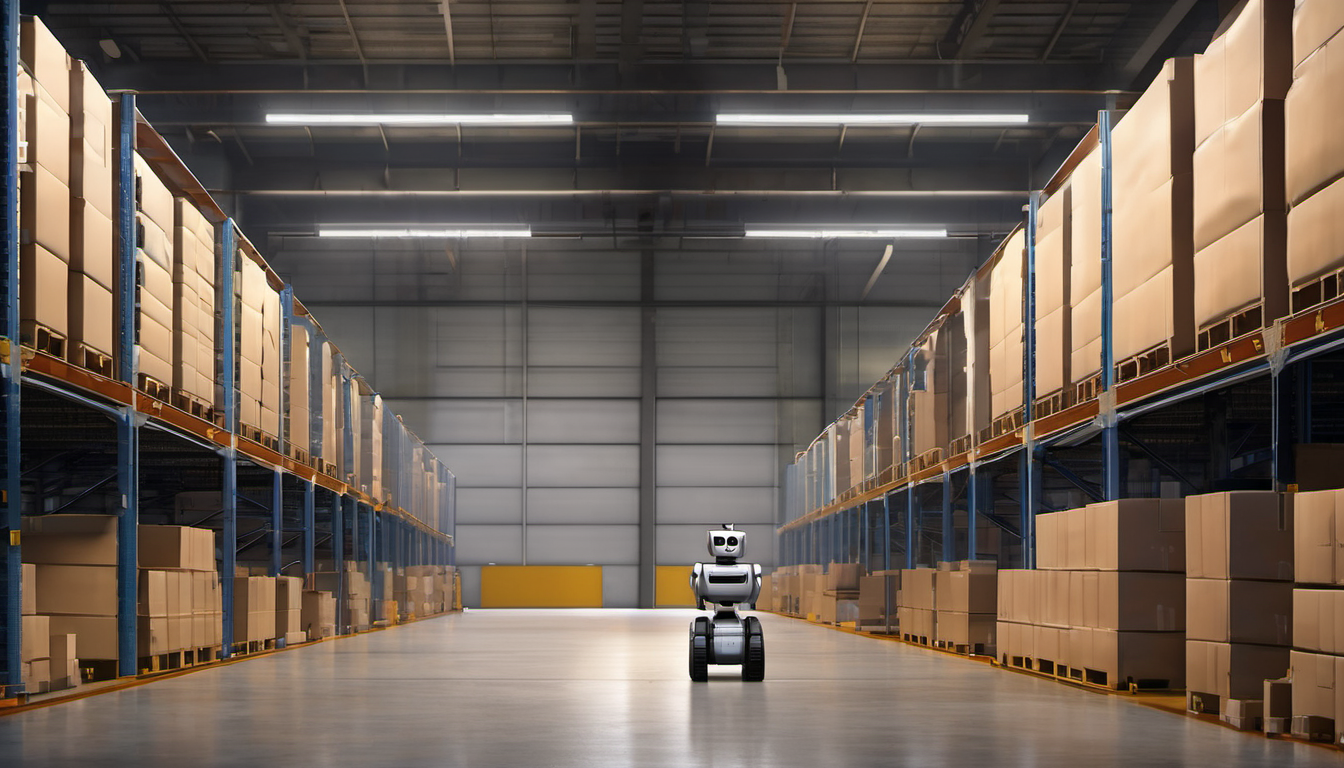
To Agility’s credit, Digit is not a rendering. The robot is a five-foot-nine bipedal machine built specifically for warehouse and logistics work — moving totes, tending conveyor lines, the repetitive lifting that wrecks human backs. The company says Digit has accumulated more than 65,000 hours of operation across nine customer facilities, with named deployments including Schaeffler, GXO, Toyota Motor Manufacturing Canada, and Mercado Libre, per The Robot Report. Agility also says it has booked more than $300 million in multi-year orders for Digit v5, its next-generation platform.
Those are the numbers that separate this from a pure story stock. Sixty-five thousand hours is not a demo; it’s a machine that has been showing up to shifts. And notably, Agility’s leadership has declined to promise the thing most humanoid pitches lead with — a robot in your living room. The company’s public message is warehouses, logistics, structured industrial environments. That restraint is a good sign; the humanoid companies making the loudest home-robot promises are generally the ones with the least to show.
Why it’s worth watching
The interesting question isn’t whether Agility’s stock pops on day one — SPAC combinations often do, then don’t. It’s what a public humanoid company is forced to reveal. Once AGLT is filing quarterly reports, the entire sector’s favorite ambiguities get harder to maintain: how many robots are actually deployed versus announced, what a robot-hour really costs to deliver, whether the unit economics work when you subtract the venture subsidy. A private humanoid company can run on narrative for years. A public one has to show the warehouse the money went to. For a field that has run largely on promises, that quarterly disclosure may end up being the most useful thing Digit ever lifts.
This is a developing story; the deal terms are drawn from the companies’ announcement and public filings, and the merger is subject to shareholder approval and customary closing conditions before it completes.