On September 5, the Pittsburgh-based Advanced Robotics for Manufacturing Institute said it had been awarded nearly $90M for 10 projects led by the consortium and its members.
The money comes through an Organic Industrial Base Modernization Challenge run by the Office of the Undersecretary of War Manufacturing Technology Office. The Organic Industrial Base, or OIB, is the military’s own manufacturing network: arsenals, depots and ammunition plants that build and maintain U.S. equipment.
Twelve of those sites are in scope. Fifteen member organizations signed for two years, and the deliverable is a working solution rather than a demonstration.
The money is small. The clause is new.
Start with the unit math. Nearly $90M spread across 10 projects averages under $9M each. Spread across 12 sites, it averages $7.5M per plant.
For re-tooling an ammunition plant, that is a pilot budget, not a capital-equipment budget. What this award buys is not capacity. It buys 10 templates somebody can copy.
The sentence worth reading twice sits lower in the announcement. Every one of the 10 solution plans includes a workforce readiness component, and the Institute leads that component itself with its workforce partners. The component does two things: identify the skills workers need to operate the new systems, then decide whether to upskill the people already there or recruit additional workers in.
Lisa Masciantonio, the Institute’s chief workforce officer, put it plainly in the release: innovation does not exist in a vacuum, and a skilled workforce is needed to support the technology. CEO Jorgen Pedersen’s quote is about the member consortium.
A retraining line written into a funded project plan and a retraining line written into a press release are not the same instrument. One gets inspected at delivery. The other does not.
Three kinds of work, named
The selected projects run in three directions.
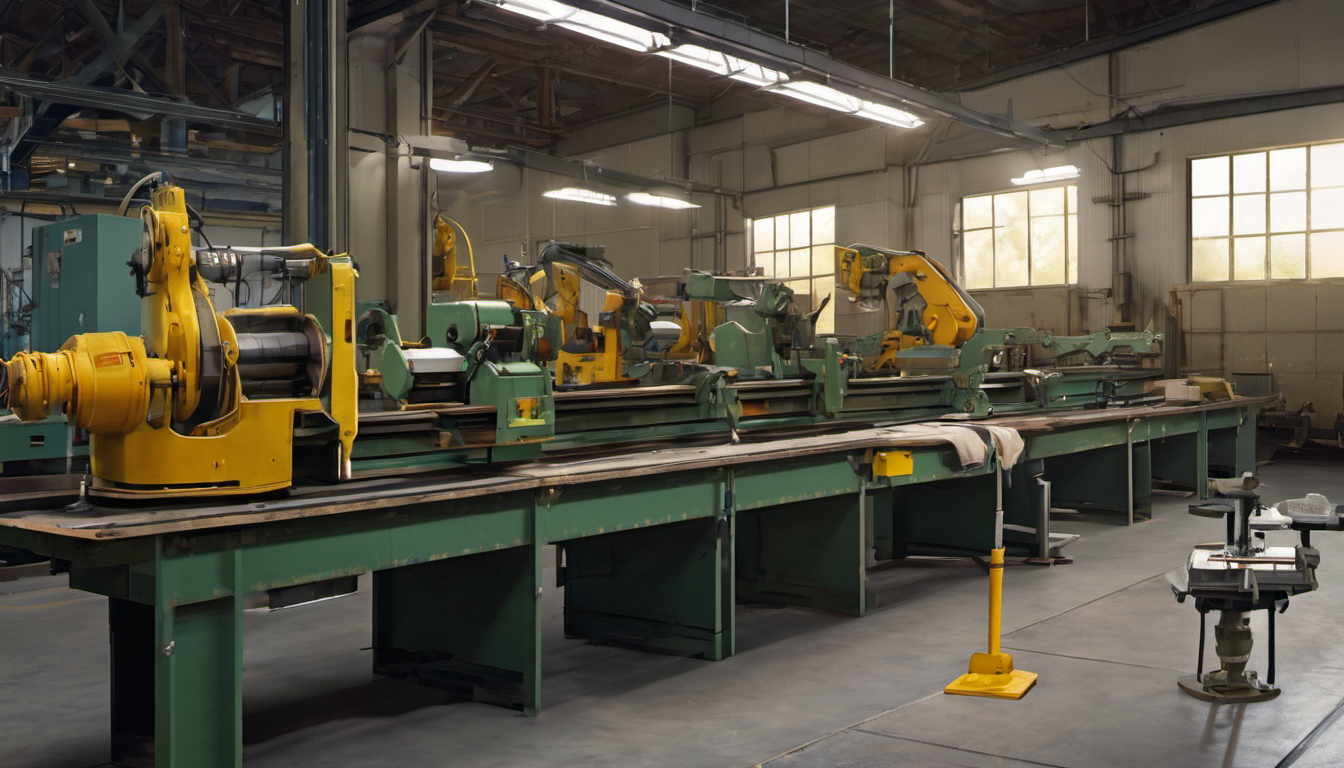
Improving safety in energetics production and raising manufacturing quality with AI. Energetics means explosives and propellants, and the hazardous steps on that line have historically been manual work checked by human eyes.
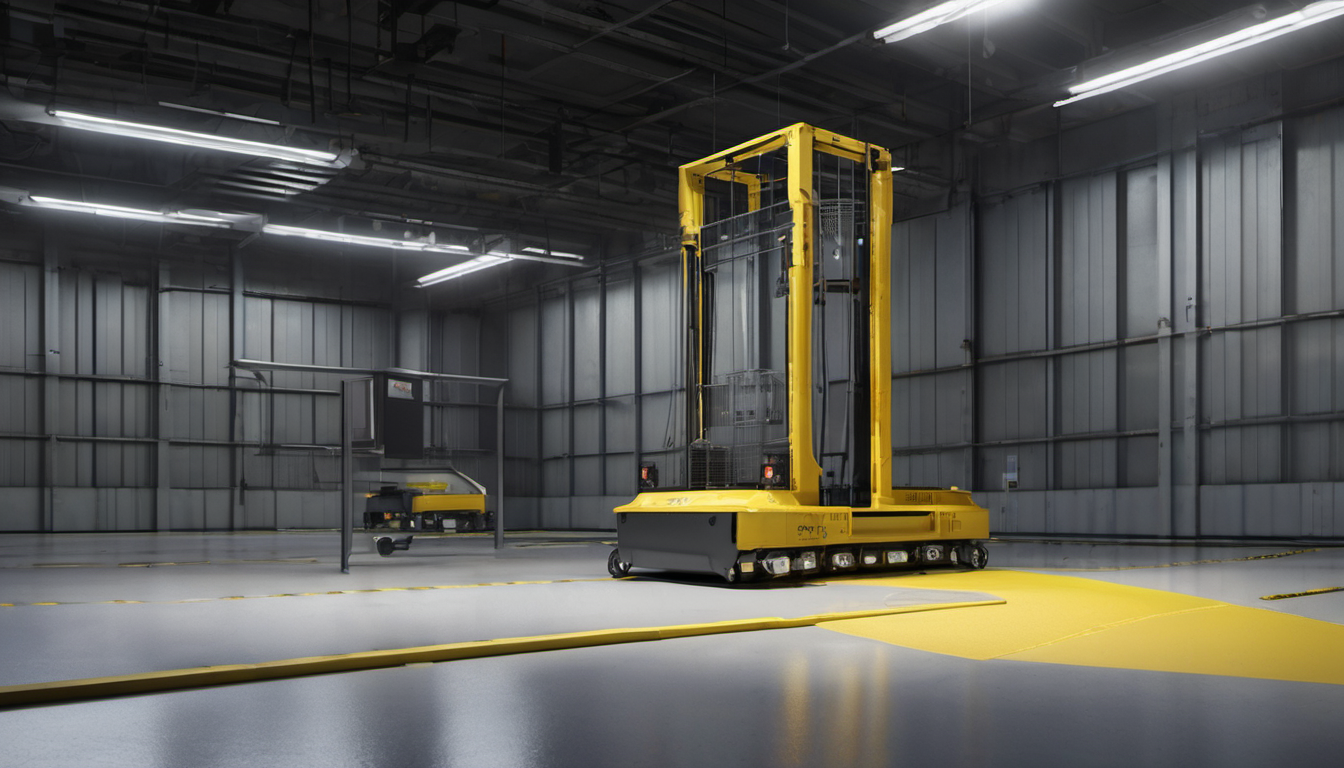
Accelerating mission readiness with drones.
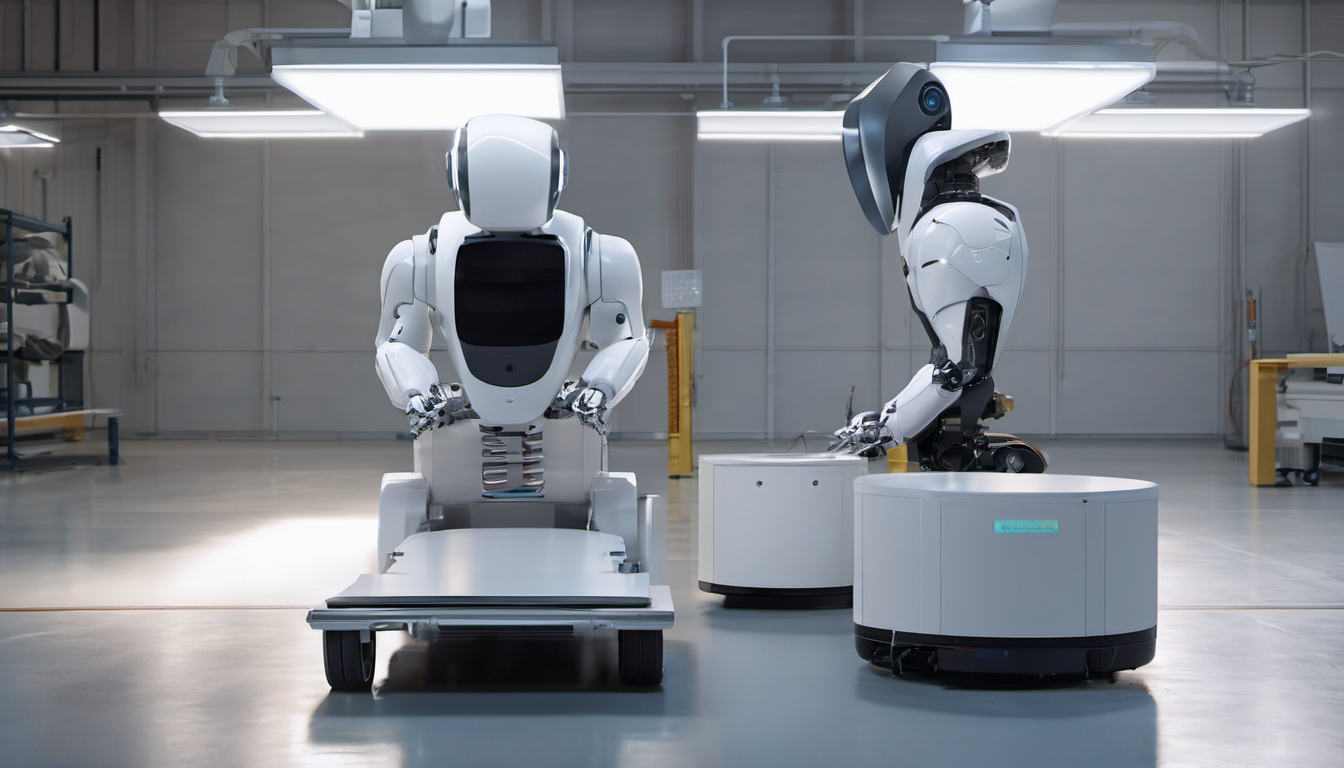
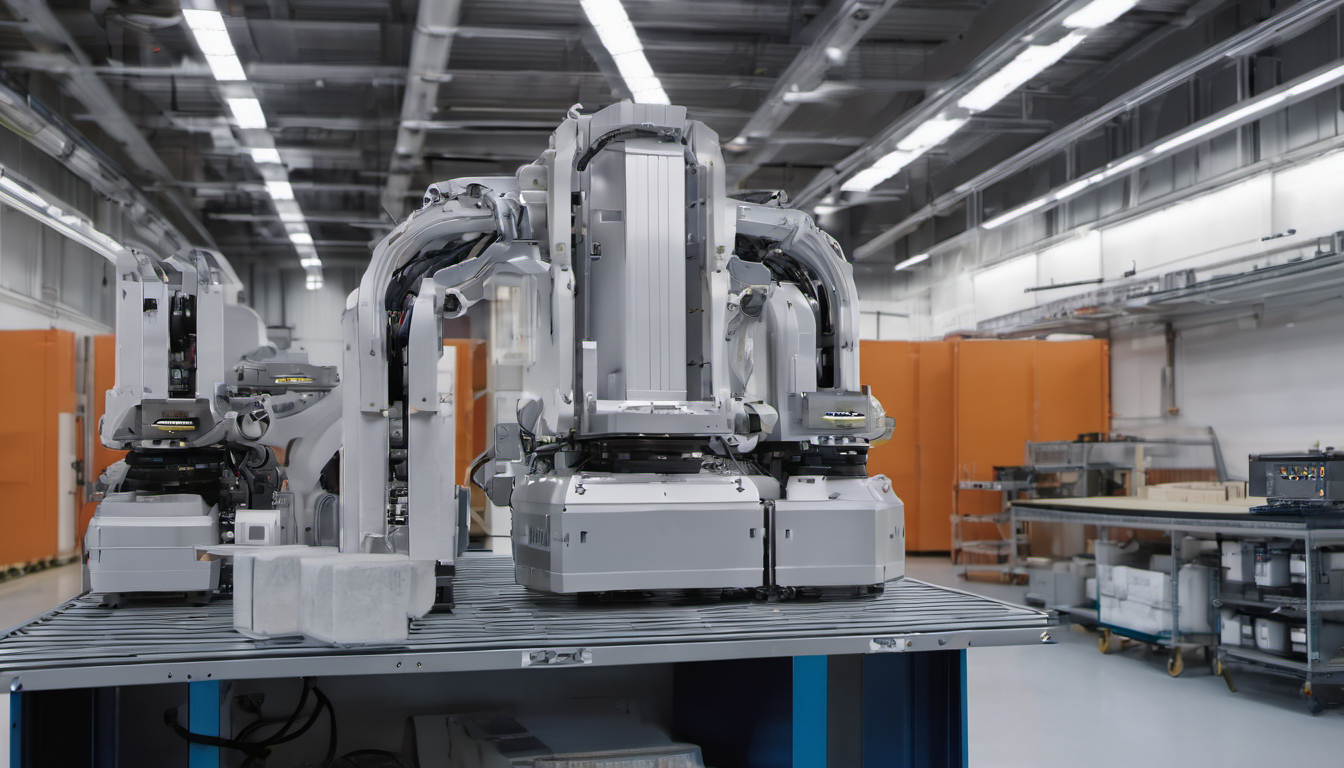
Removing bottlenecks through robotics.
Each of those maps to a job. Hazardous-line operators, the supply and movement roles that sit behind readiness, and whoever currently works the station that sets the takt time. A Department of War announcement will not use the word headcount. It does not have to. Every bottleneck it names has a crew standing at it.
One department, one month, three different answers
Put this next to two things the same department did in the last month.
On August 6, HII routed up to $900M of shipbuilding work to Path Robotics and GrayMatter Robotics. That deal moved the work out of the yard: more than 2.5 million shipbuilding hours planned for outsourcing in 2026, up 30% on 2025. The work left. The workers stayed put.
On August 31, the Department’s GenAI.mil portal had onboarded 1.7 million of 3 million personnel, with administration, logistics, planning and policy named as the target use cases. Those are white-collar job descriptions.
September 5 is the third move: the same department putting robots into plants it owns, with retraining written into every plan.
Three answers to the same labor problem inside five weeks. For desk work, deploy the tool and let people adapt around it. For shipbuilding, send the work outside. For the arsenals, keep the people and change the equipment under them.
The third route is the slowest and the most expensive. It is on the table largely because of who works at an OIB site. These are government employees and long-tenure contractors, covered by unions and federal personnel rules, not at-will staff at a software company. On that ground, automation is a bargaining question before it is an engineering one.
What this means for a worker
If you work at one of the 12 sites, the first thing that arrives over the next two years is not a machine. It is a skills inventory. The Institute states the sequence: identify the skills workers need, then upskill or recruit.
Being placed on the upskilling list and being classified as a gap to fill by recruiting are very different outcomes, and the same document produces both.
Outside defense manufacturing there is a more portable signal here. U.S. manufacturing hiring plans have climbed all year. In Challenger’s August report, 46% of announced hiring plans came from manufacturing industries, and the firm’s own commentary flagged that employers are unsure they can find workers with the requisite skills. This award lands directly on that gap. It is not funding robots. It is funding the people who will stand next to them.
In two years the consortium delivers 10 equipment templates. It also delivers a practical answer to which skills were worth training and which roles got replaced instead. That second deliverable will travel a great deal further than $90M.
Sources
- The Robot Report, ARM Institute gets $90M for 10 projects to modernize military manufacturing, September 5, 2026
- ARM Institute, organization site