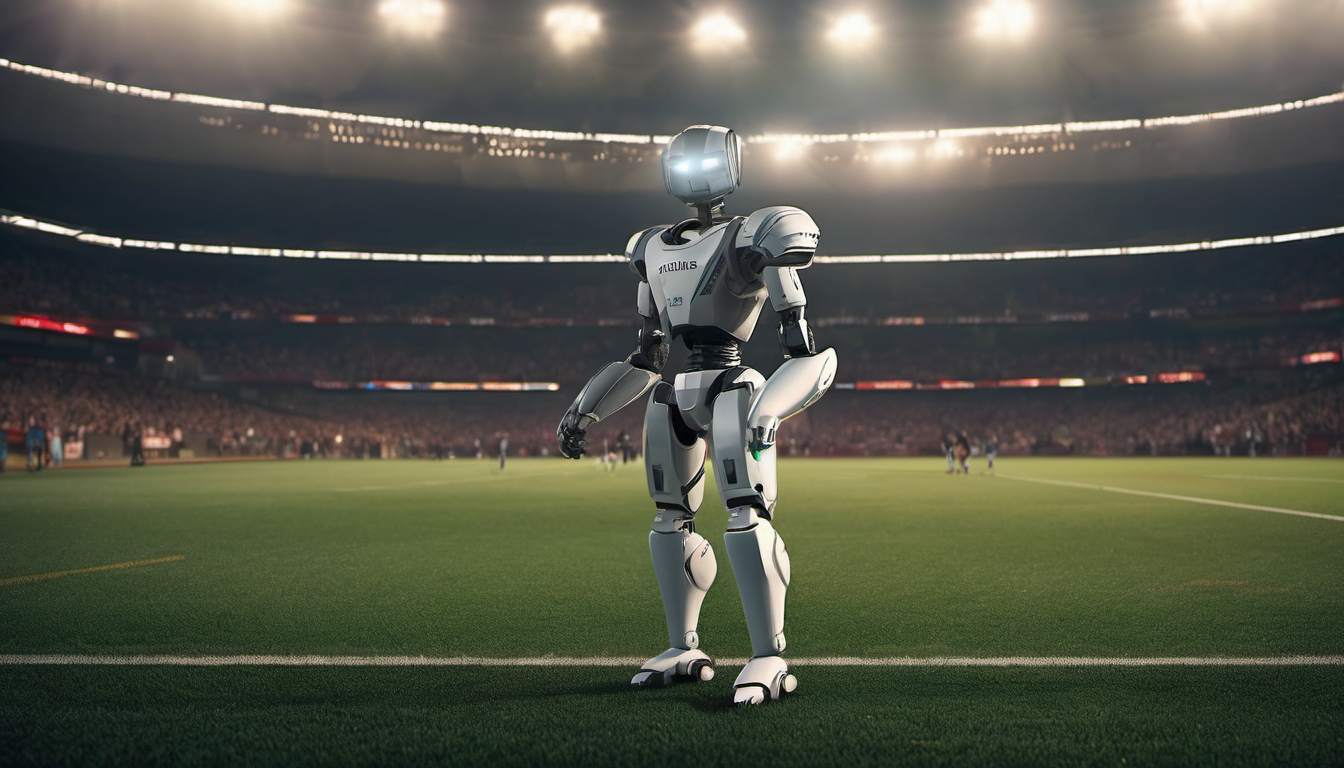
On Sunday, in front of roughly 80,000 people at the New York/New Jersey stadium, a five-foot humanoid robot walked out onto the edge of the pitch, performed a set of goal celebrations, and handed the match ball to the referee. The game was a World Cup Round of 16 tie between Brazil and Norway. The robot was Atlas, built by Boston Dynamics. It got a bigger reaction than some of the players.
This is being written up everywhere as a charming halftime stunt, and on one level it was exactly that. But it is worth being clear about what you were actually watching. This was not a sideshow. It was a commercial.
The most expensive robot ad ever filmed
Hyundai owns Boston Dynamics, and Hyundai has sponsored FIFA for 27 years. So when Atlas strolled out and mimicked Matheus Cunha’s surfing celebration and Son Heung-min’s camera gesture in front of a global television audience, it was the parent company using its two most valuable assets — a football sponsorship and a famous robot — to sell the second one, per Fortune and Bloomberg. Hyundai itself called it the first-ever robotics-powered halftime activation and the first integration of a humanoid into a live World Cup match, per its own press release. “Activation” is the marketing word. It is doing a lot of quiet work in that sentence.
The dance moves are the distraction. The thing being advertised is a factory.
What the stunt is actually selling
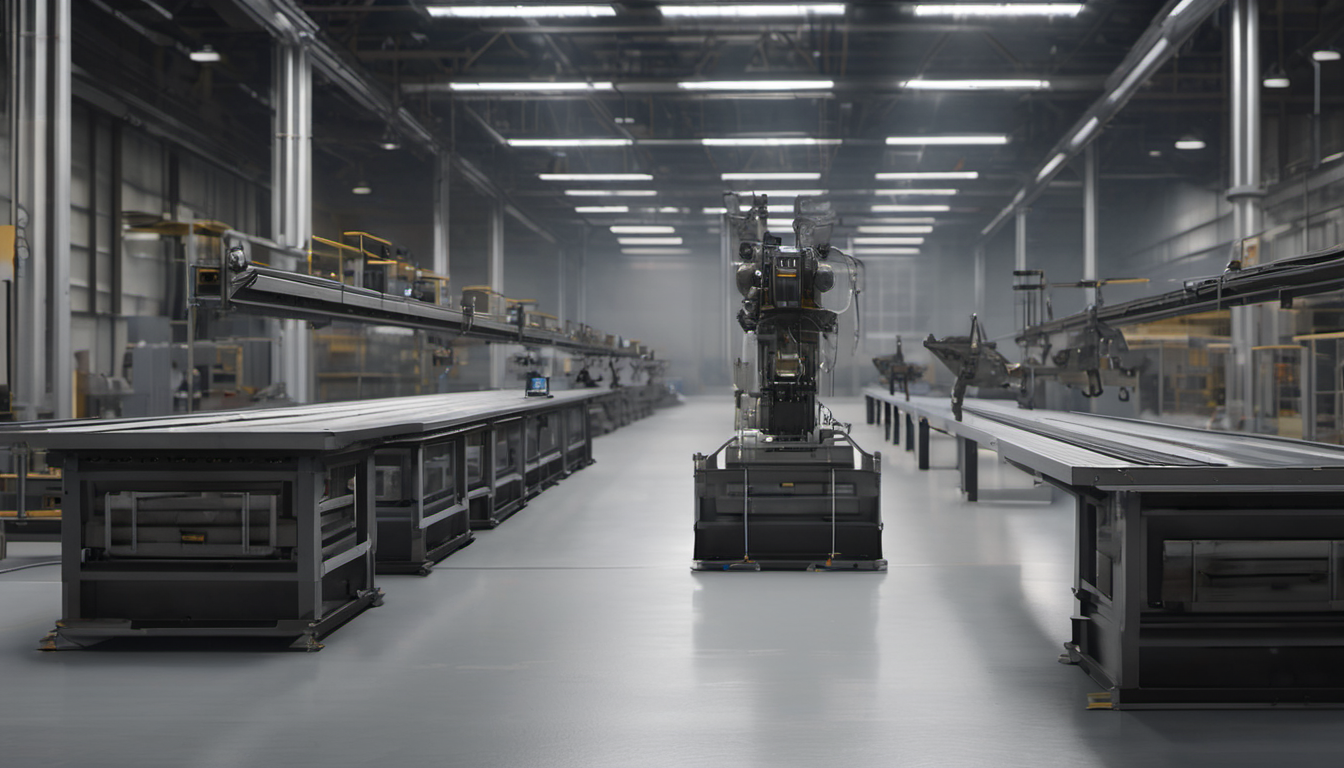
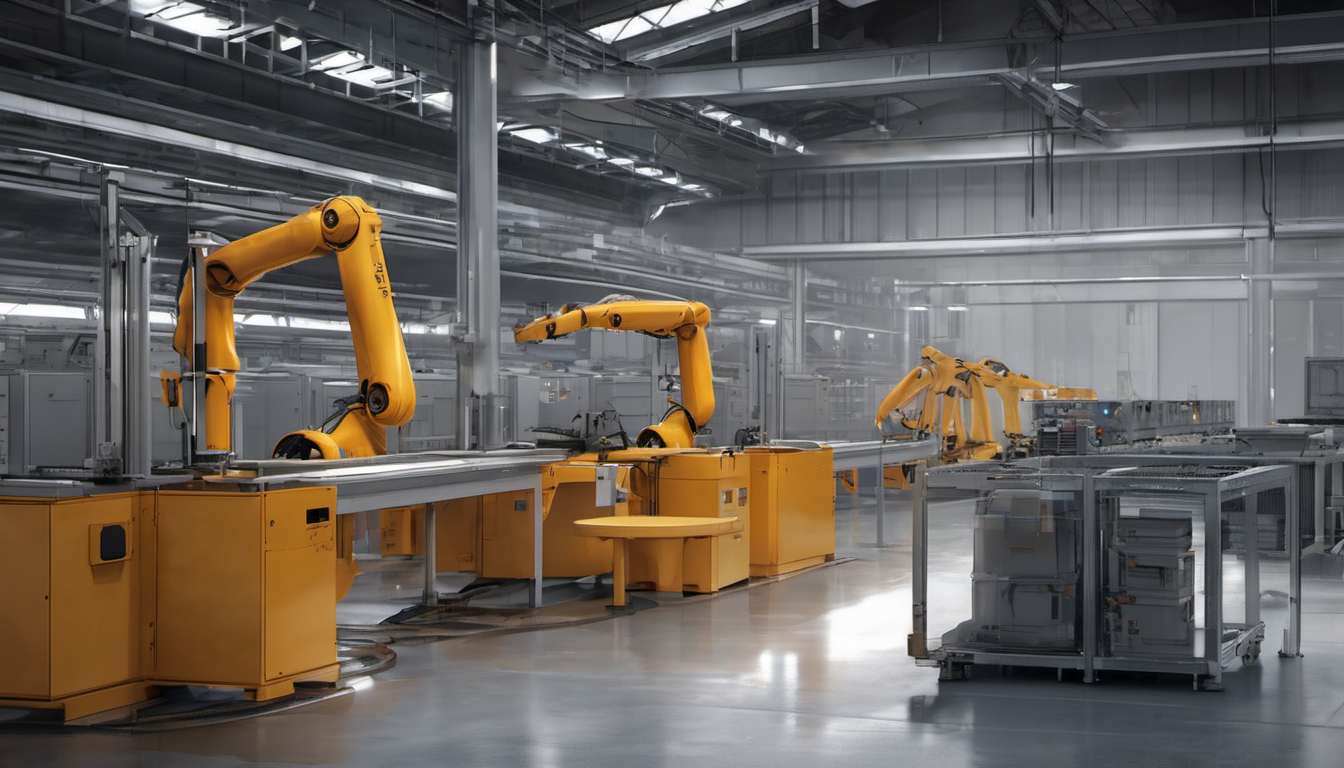
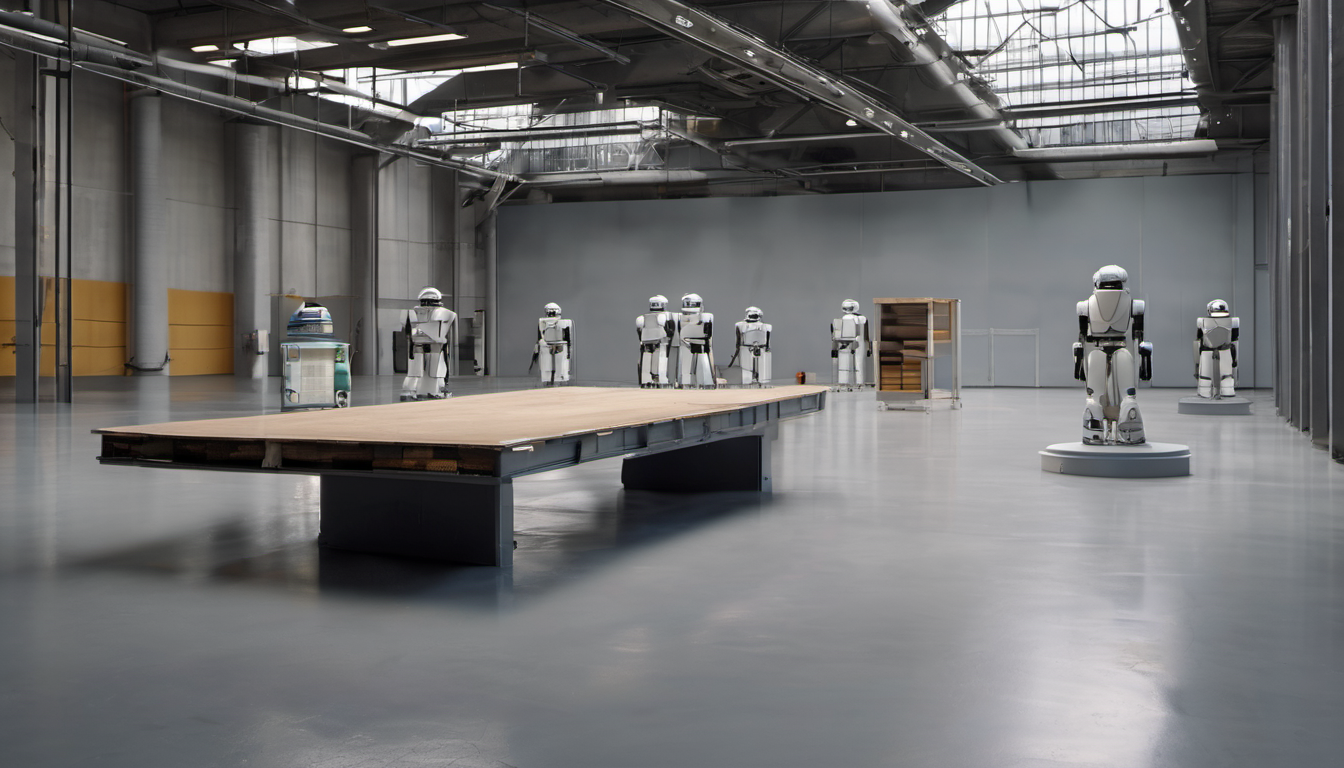
Hyundai has committed roughly $26 billion in U.S. investment over four years, and part of that is a dedicated robotics plant near Savannah, Georgia, designed to produce up to 30,000 Atlas units a year by 2028. That is the context that turns a cute goal celebration into something worth paying attention to. You do not spend a World Cup halftime slot — some of the most expensive airtime on Earth — to promote a robot you plan to keep in a lab. You spend it to normalize the sight of a humanoid doing a job that a person used to do, and to make 30,000-a-year sound less like science fiction and more like next year’s product line.
For anyone whose work is physical, the detail buried in the coverage is more interesting than the choreography. According to the reporting, Atlas learned its routine by watching footage of professional footballers and working out the mechanics — and what would take a human athlete about a year of trial and error, the robot worked through in roughly 24 hours. Take that claim with the usual skepticism reserved for vendor demos: a controlled pitchside routine is not an eight-hour shift on a warehouse floor. But the underlying pitch is unmistakable. The company is not selling a robot that can dance. It is selling a robot that can be shown a task and copy it fast.
The gap between the render and the shift
Here is the part the celebration is designed to make you forget. A humanoid handing over a match ball on live television is a scripted, rehearsed, single-take performance with a whole engineering team standing just out of frame. That is a very long way from a robot reliably doing repetitive physical labor, unsupervised, for years, at a cost that undercuts a human wage. Every humanoid company on the planet is currently living in that gap, and Atlas is no exception — its actual paid deployment is still pointed at Hyundai’s own EV plant near Savannah, not the open market.
So enjoy the clip. It was genuinely impressive, and the engineering behind a robot that can stay upright and gesture on a stadium pitch is real. But keep the frame straight. This was Hyundai spending its most valuable marketing minute of the year to make a humanoid robot feel familiar, likeable, and inevitable — right before it starts building tens of thousands of them for actual work. The goal celebration was the ad. The Savannah factory is the product. And the 24-hour learning claim is the line aimed squarely at anyone who assumed their hands-on job was the safe one.
Sources
- Fortune — Meet the soccer-playing humanoid robot that delivered the game ball at the Brazil v. Norway World Cup match
- Bloomberg — Hyundai Motor Showcases Humanoid at World Cup in Robotics Push
- Hyundai / PR Newswire — Hyundai Motor Brings Atlas Humanoid Robot to FIFA World Cup 2026
- The Star — Soccer-Atlas, the humanoid robot, delivers match ball at World Cup