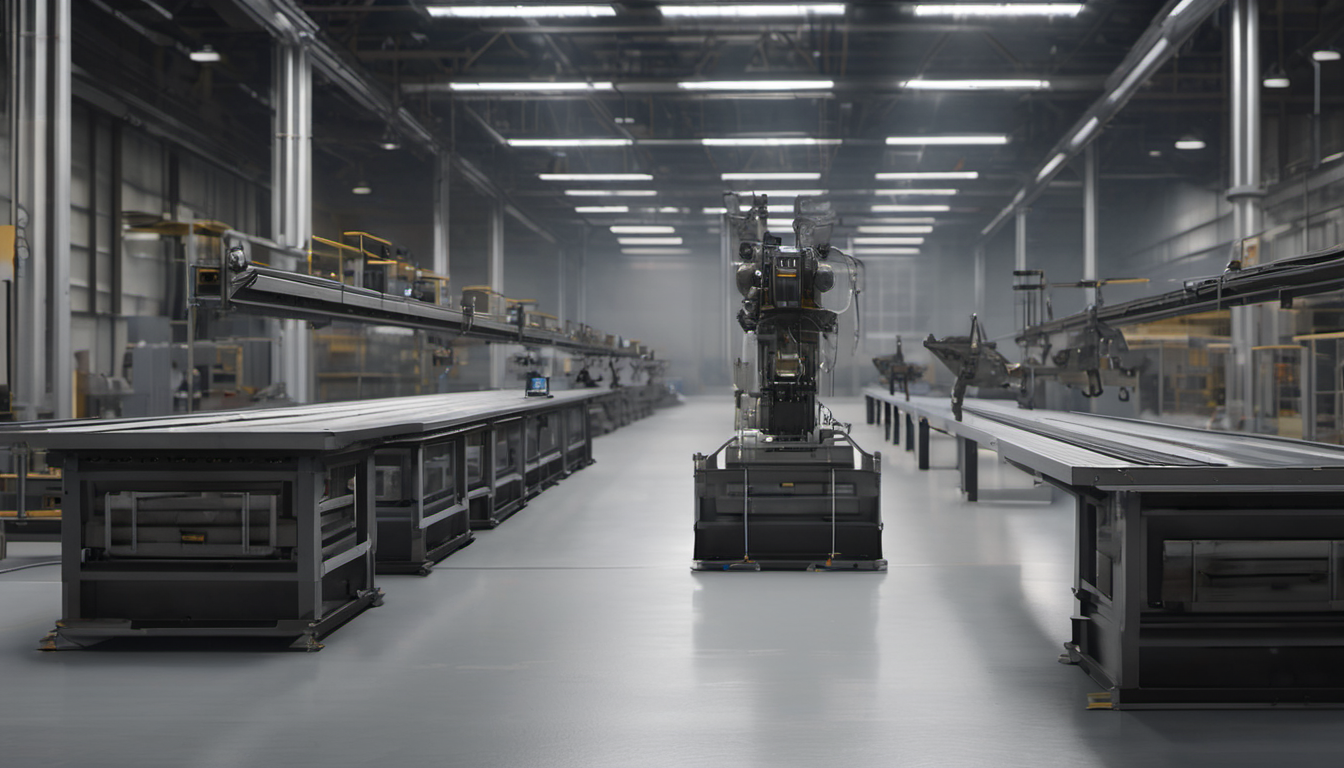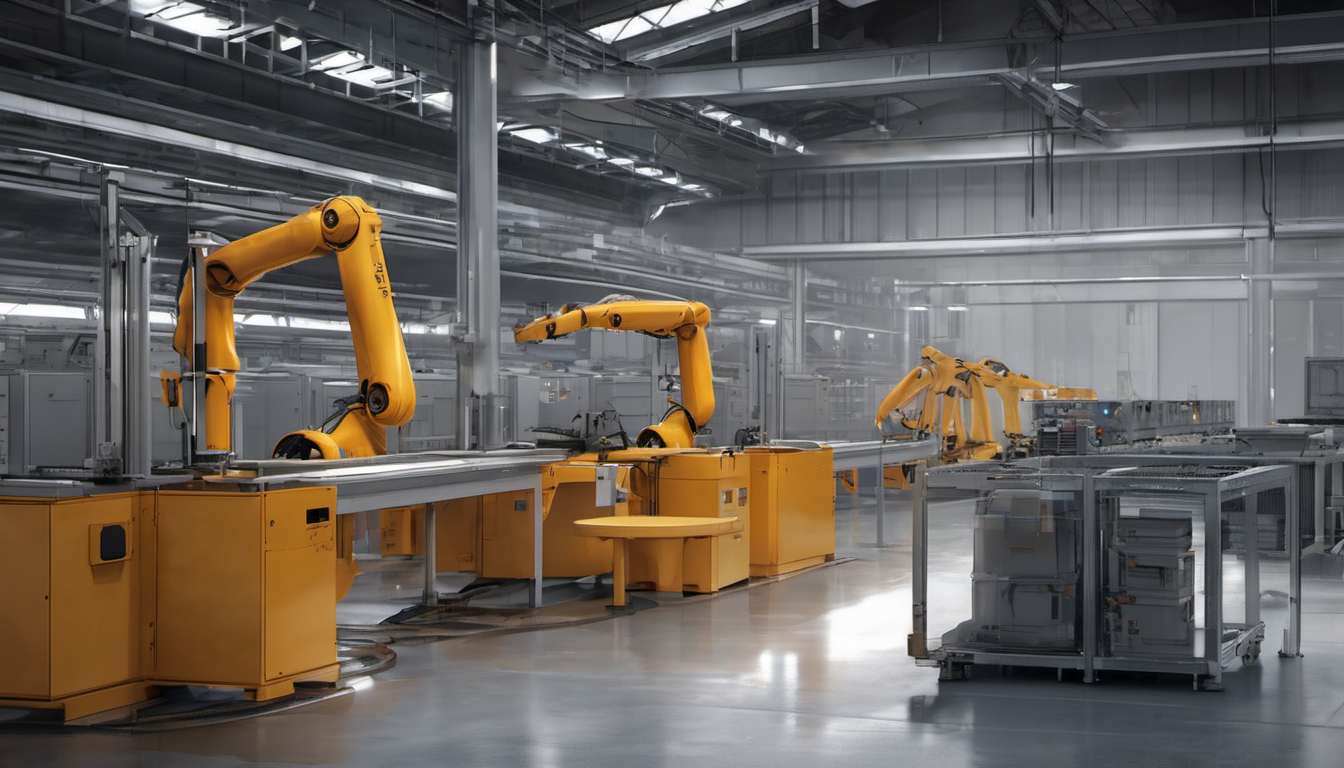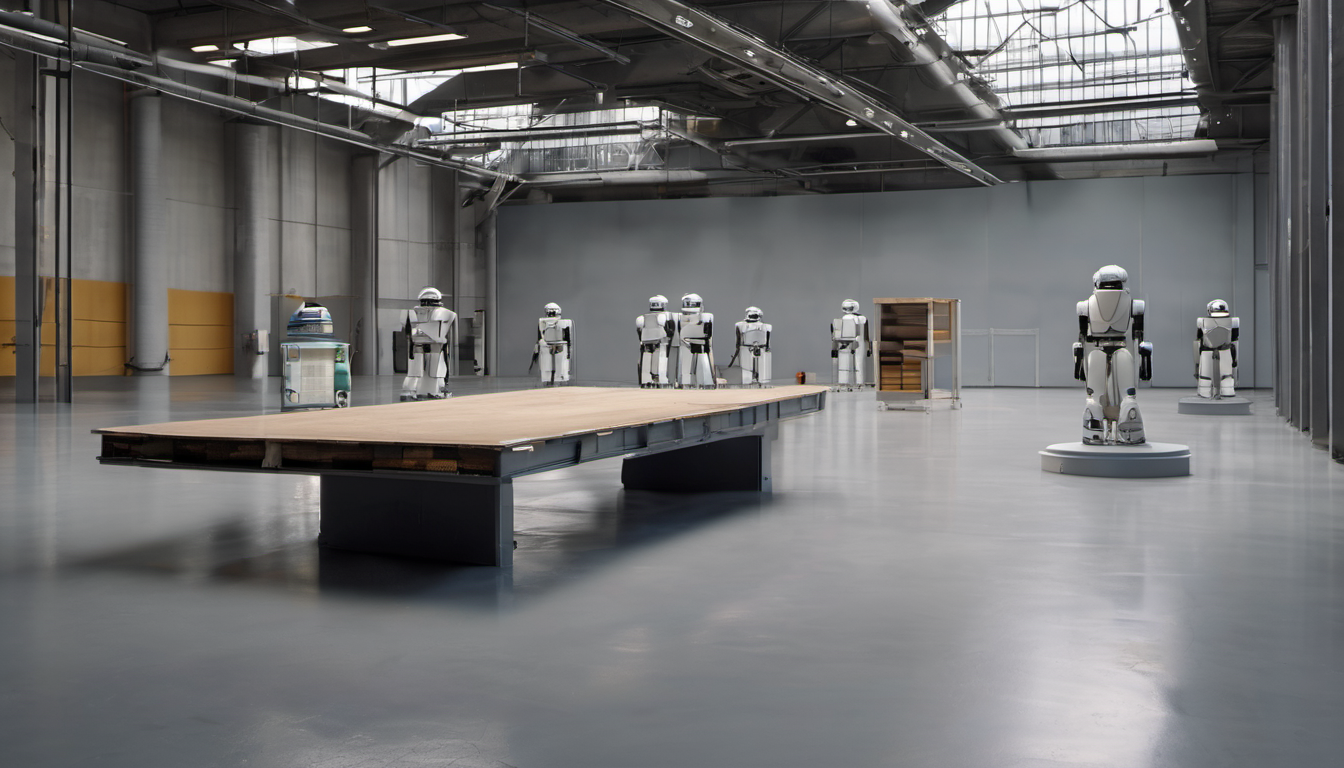
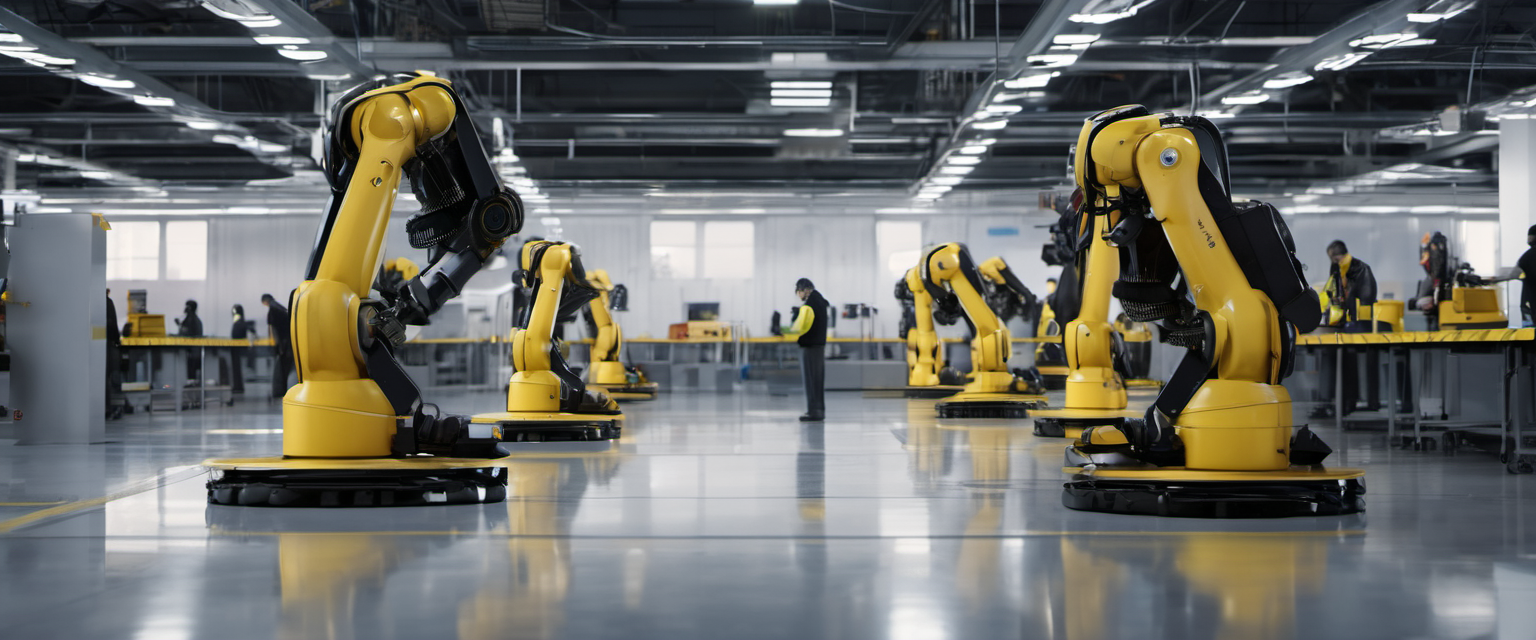
There is a particular kind of demand signal that does not show up in a sales chart, because nothing is for sale. Boston Dynamics has committed its entire 2026 production run of the fully electric Atlas humanoid to exactly two customers — its parent company Hyundai Motor Group and research partner Google DeepMind — with no units available to anyone else until 2027, according to a deployment breakdown by AI2Work. The robot that spent a decade as a viral backflip video is now sold out before it is built, and the buyer is mostly itself.
A factory that owns its own customer
The arrangement is less a sale than an internal transfer. Hyundai is Boston Dynamics’ majority shareholder, and it is pouring roughly $26 billion into US operations, including a new plant designed to turn out 30,000 Atlas units a year by 2028, per Forbes. Hyundai’s parts affiliate Mobis builds the actuators in Atlas’s joints — components that account for more than 60% of a humanoid’s material cost. Hyundai owns the platform, makes the most expensive parts, runs the training facility, and operates the factories where the robots will work. The first ones go to its Robotics Metaplant Application Center, which the company describes, without irony, as a “data factory” whose product is the dataset for teaching robots to do human jobs.
The other recipient, Google DeepMind, supplies the brain. Its Gemini Robotics models give Atlas the visual-language-action reasoning to interpret a goal and adapt to an unfamiliar object in real time. In April, Boston Dynamics put the same line of models into its Spot quadruped; every commercial Spot deployment now feeds the Atlas training loop. The hardware and the intelligence are being vertically integrated under one corporate roof, which is exactly why there is nothing left over to sell.
What it will actually do
The capability is not theoretical. On May 18, Boston Dynamics published video of Atlas lifting an unplugged 50-pound mini-fridge, carrying it across a room, and setting it on a table — and confirmed it handles 100-plus-pound loads in the lab. It learned this not by recognizing objects but by developing a sense of its own body and force feedback through reinforcement learning, compressing millions of hours of simulated practice into weeks. Automotive plants are full of heavy, awkward, irregular parts. A robot that adapts to new shapes without being reprogrammed is precisely the robot a car company would buy every unit of.
The roadmap is specific. By 2028, Atlas starts at Hyundai’s Metaplant in Savannah, Georgia, on parts sequencing, sorting, and transport. By 2030, it moves to component assembly and heavy repetitive tasks. Human supervisors monitor the early shifts. The trajectory does not need a press release to read clearly.
The line on the factory floor
This is where the story stops being a hardware milestone. In January, South Korea’s Korean Metal Workers’ Union declared that Atlas will not be allowed inside Hyundai factories without a labor-management agreement, and it said why: the robot’s expected cost works out to less than two years of a manufacturing worker’s wages. The union is not reacting to a vague fear of automation. It did the arithmetic and concluded that management is buying a replacement, not a tool — and it has the leverage to make Hyundai negotiate before a single Atlas clocks in.
Hyundai’s vice chair, Jaehoon Chang, offers the standard reassurance: workers will move to higher-value roles training, supervising, and maintaining the robots. It is the same sentence every automating employer says, and it may even be partly true. But the numbers underneath it are blunt. The humanoid sector saw roughly 16,000 installations worldwide in 2025; one carmaker alone is now building toward 30,000 units a year. When the entire output of a flagship American robotics company is spoken for before assembly, by a parent that has already calculated the payback period against a human wage, the supply constraint is not a quirk of a hot market. It is the clearest possible statement of who the customer thinks the product is for.