
Most of the humanoid-robot map in 2026 is drawn in two colors. China ships the units — tens of thousands of them, backed by state procurement orders measured in billions of yuan. The United States builds the brains and the valuations. Europe, on this map, has mostly been a footnote with good regulations. On July 2, the Netherlands opened a small building outside Rotterdam that is an attempt to color in a third space, and the interesting thing about it is what it explicitly refuses to be.
A workshop, not a showroom
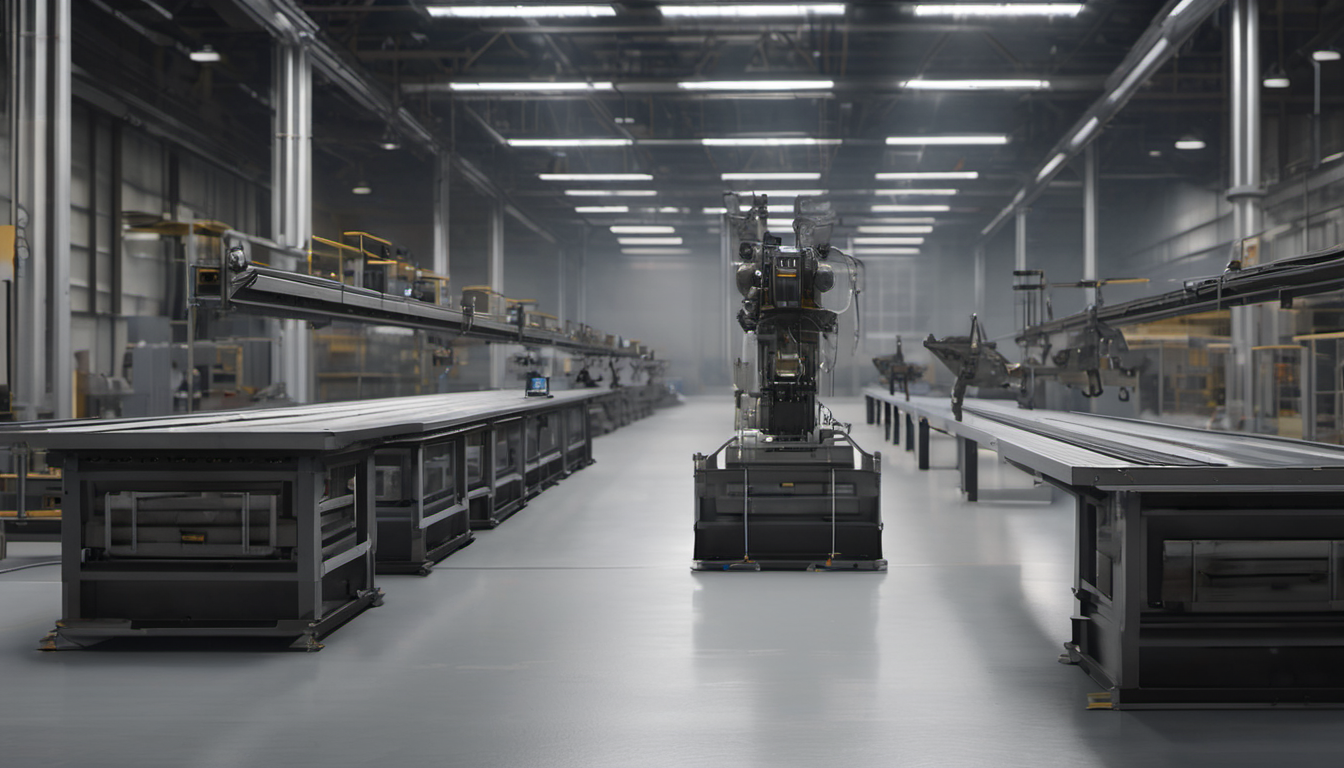
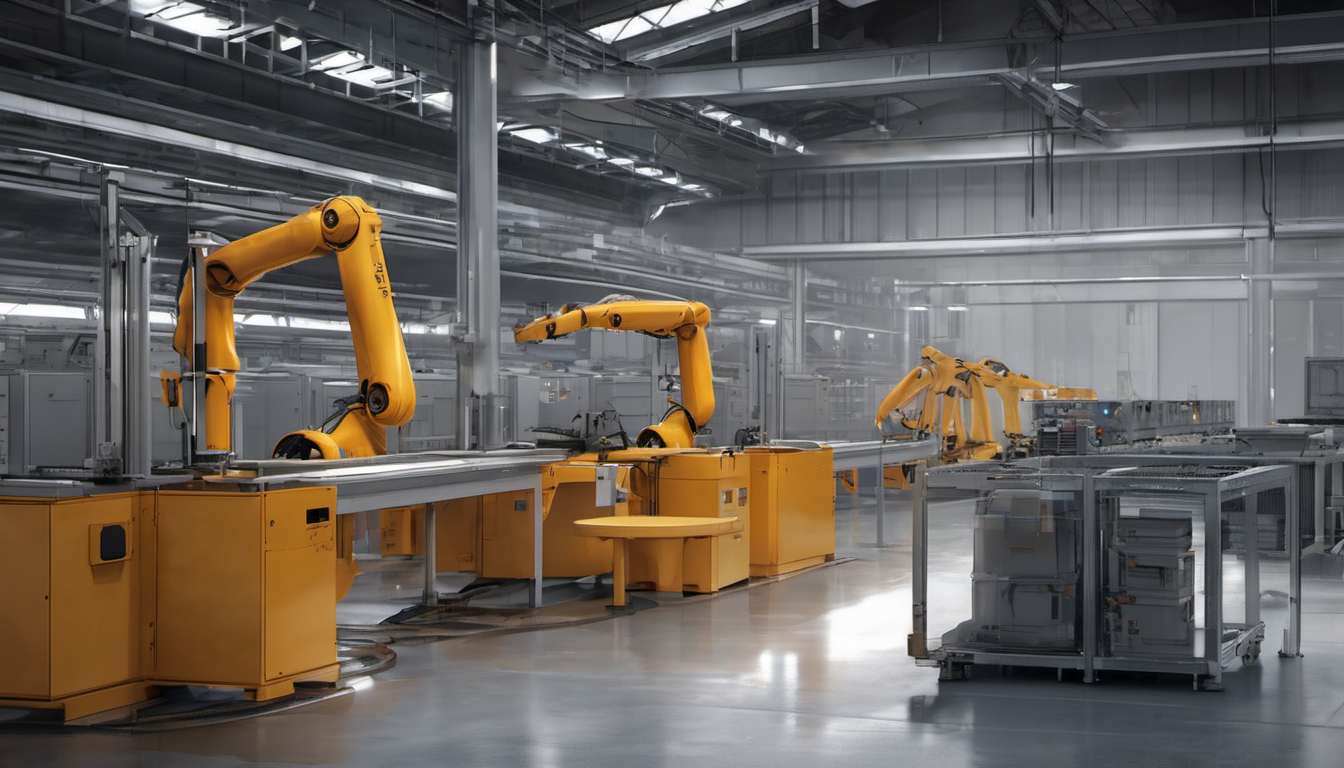
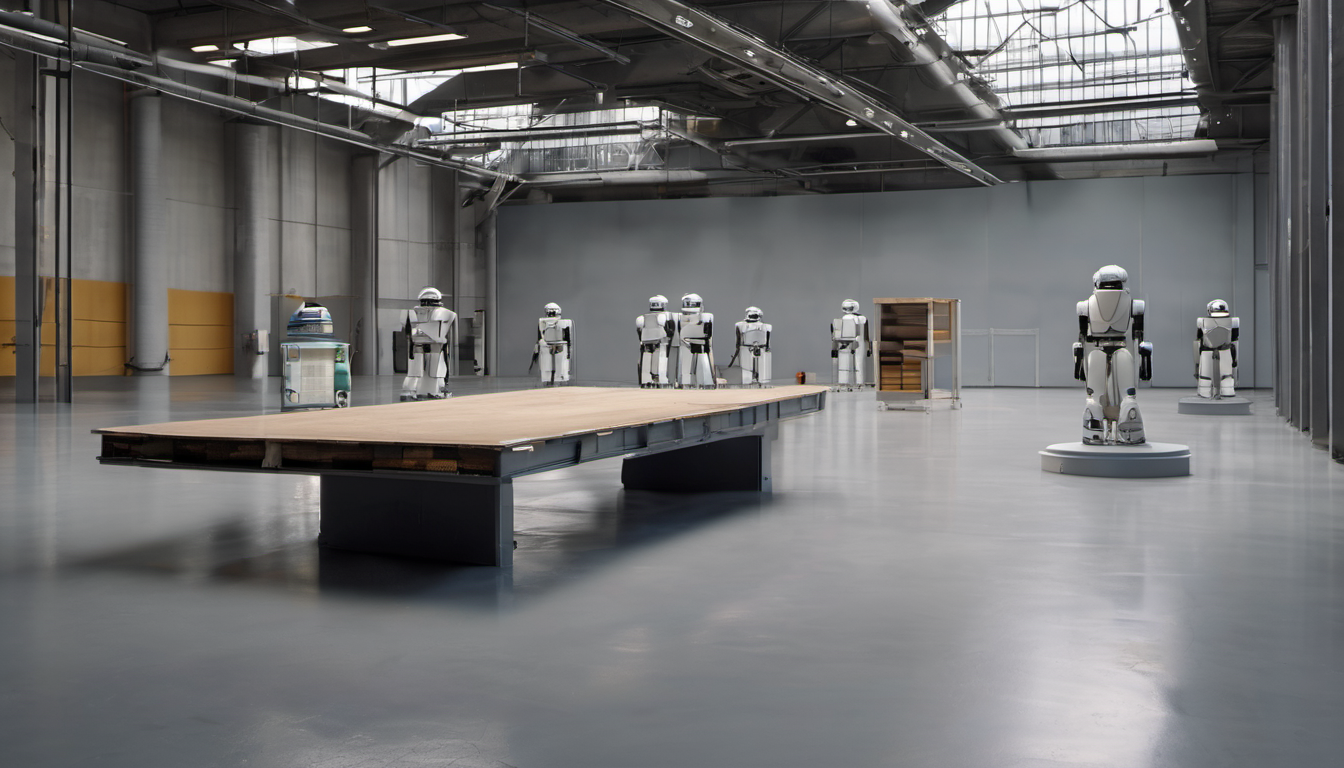
The facility is the Humanoid Application Centre (HAC), at the Mechatronics Innovation Campus Schiedam (MICS), and its founders keep repeating one phrase: it is a working floor, not a display space. A RoboticsTomorrow writeup describes 1,000 square meters of assembly benches, sensor racks, and high ceilings — the physical furniture of testing and integration, not the velvet rope of a demo hall. At the opening, the robots on hand laid bricks, packed objects, and ran movement drills. Party tricks, yes, but party tricks pointed at specific jobs rather than at a viral clip.
That distinction is the entire strategic bet. Europe has largely lost the race to manufacture humanoids; it is not going to out-ship Unitree or out-fund Figure. So the HAC is wagering that the harder, less glamorous problem — getting a general-purpose robot to actually do useful work in a messy real environment — is where a latecomer can still add value, and maybe sell services back to the people who built the hardware. TechXplore framed the launch bluntly as an effort to “kickstart” a race with China. Kickstart is an honest verb for a country starting from behind.
Aimed at the jobs nobody’s filling
Look at the sectors the HAC named as targets and the pitch clicks into focus: construction, horticulture, logistics, industry, healthcare, and facilities management. These are not chosen at random. They are the sectors where the Netherlands — and much of Northern Europe — has persistent, structural labor shortages, the kind that predate AI and won’t be solved by a better job board. The founding partners tell the same story: Dura Vermeer and VolkerWessels are construction firms, Harvest House is horticulture, GOM sits inside the Facilicom facilities group. These are employers who cannot hire enough people and are shopping for an alternative.
That reframing is genuinely important, and LostJobs will say the un-fun part out loud anyway. “Filling a shortage” and “displacing a worker” are not opposites; they’re the same process viewed at different times. A humanoid that lays bricks because there aren’t enough bricklayers this year is, five years on, the reason the trade pays less and trains fewer apprentices. The labor-shortage framing is true and also incomplete — it describes the entry point of automation, not its destination. Robots rarely arrive by taking a full workforce’s jobs on day one; they arrive as the reasonable answer to a vacancy no one could fill, and the displacement, if it comes, is a slow second act nobody put in the press release.
Why a small Dutch building matters
None of this makes the HAC a threat to anyone’s job this quarter. It is a test lab with a handful of robots and a lot of ambition, and the gap between laying a demo brick and running a profitable construction crew is enormous. But it is a useful signal of where the second wave of humanoid competition is heading. The first wave was about who could build the machines. The second is about who can apply them — turn a general-purpose robot into a reliable worker in a specific, unforgiving domain — and that is a contest Europe has a real, if narrow, shot at winning. Watch which of these labor-short sectors reports the first robot that actually earns its keep. That number, whenever it lands, will matter far more than any bricklaying demo.
This is an early-stage industrial development; the HAC is a research and integration facility, not a deployment at scale, so treat claims about humanoids “solving” labor shortages as an aspiration under test rather than a result.