
E.W. Scripps told staff on October 27 that it is eliminating 431 positions and creating more than 100 new ones, according to a memo reported by TheWrap. CEO Adam Symson wrote that most of the major restructuring, especially in local newsrooms, is done, with smaller cuts still to come. WVXU counts it as the third round in four months.
The 100 and the 431
The new jobs, in local reporting and community connection, equal about 23% of the cuts (our arithmetic). Take the 100 at face value and the net loss is 331. The memo says “more than 100”, so the true net is a little lower, not much. Scripps says it hopes to fill many of the new roles with people affected by the cuts.
The two lists are not mirror images. What the reporting can confirm on the cut side is production work at local stations. What it confirms on the add side is people in the field. The direction is out of the studio and control room, with total headcount still going down.
Two rounds earlier
The background is August. On August 6 Scripps reported second-quarter results in the same week it cut 268 jobs, and said third-quarter reductions would touch about 6% of the workforce. Restructuring charges were $35.8M in the quarter and $36.5M for the year to date. The company expects about $100M of annual run-rate savings by year-end and targets $125M to $150M of added enterprise EBITDA by 2028. Second-quarter revenue was $490M, down 9.2%, per the company release.
TheWrap’s August 7 account gave the running total: 12% of the workforce cut so far in 2026, with 432 positions eliminated and 126 open roles left unfilled. If those 432 and October’s 431 do not overlap, the year’s total is 863 positions plus the 126 open roles. That is our sum, not a company figure, and the coverage does not say whether the rounds overlap.
Revenue is falling too
AI is not the only pressure in these numbers. Second-quarter revenue fell 9.2% and year-to-date revenue, about $1B, is down 5.4%. A company shrinking its top line while promising $125M to $150M of added EBITDA by 2028 has more than one reason to cut, and the release says the changes use AI and automation alongside the cost program. The cuts and the technology story arrive together. The filings do not say how much of the savings comes from machines doing the work and how much from the work no longer being there.
Where AI shows up
The AI language is from August. On the second-quarter call Symson said Scripps is leaning into AI, automation, technology and the centralization of some roles, and described the goal as an AI-powered broadcast journalism company. October’s coverage does not quote a fresh AI statement from him. TheWrap files this round under the same company-wide transformation. So the AI attribution here is the CEO’s, from two and a half months ago. We pass it along as such and do not read it back into the October memo.
One station in Cincinnati
WVXU reported on the damage at WCPO in Cincinnati, from multiple unnamed sources and unconfirmed: 11 to 16 people affected, including half of the 12-person photo staff, two producers, some assignment editors, a video editor and engineers. WCPO tied the cuts to traditional newscast production and said it is moving to workflows with more field reporting and more automation.
Against the rest of the month
Two other media cuts landed this month. Axel Springer’s Telegraph memo on October 23 named up to 100 roles and said AI was not the cause. EBRA’s October 9 exit program, 400 of 3,200 staff, centered on copy editors displaced by AI layout. Scripps puts 431 in a single memo, more than four times the Telegraph’s ceiling.
What this means for the jobs
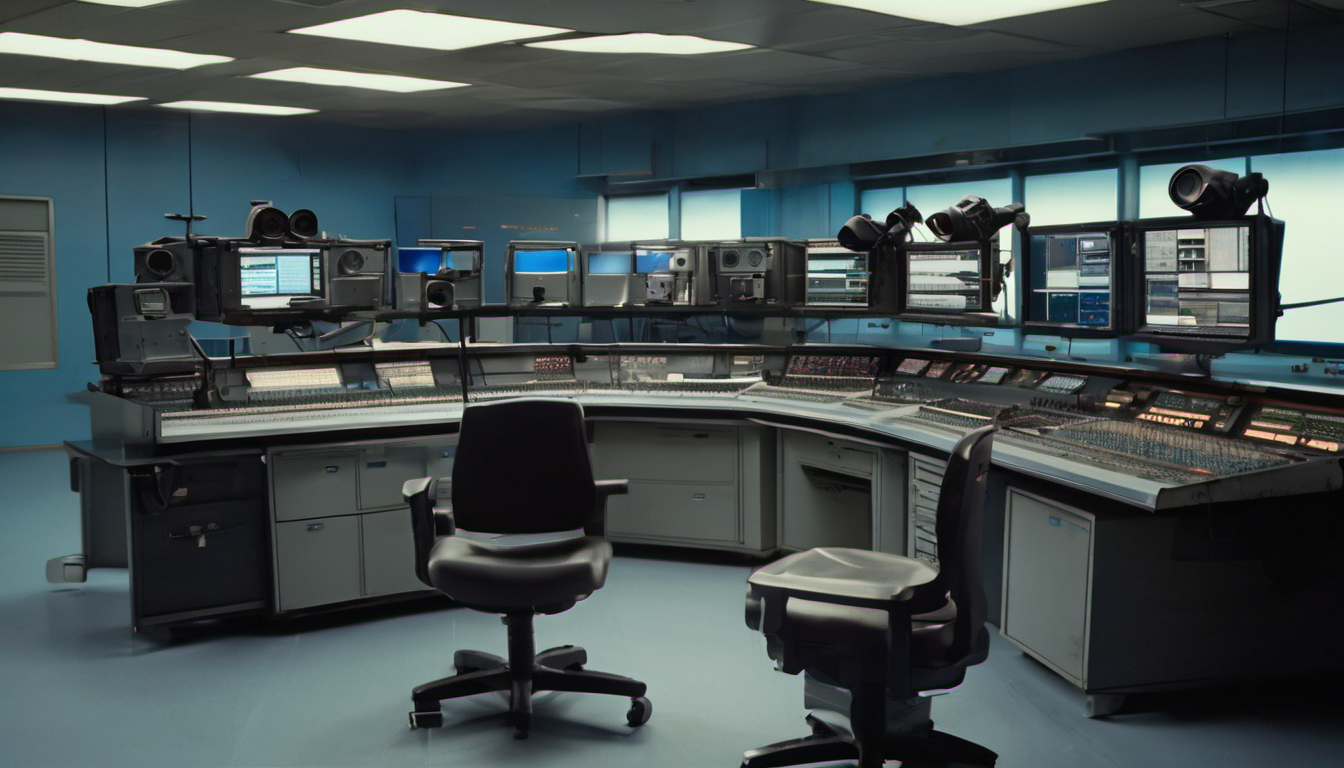
The named roles are photographers and camera operators, producers, assignment editors, video editors and broadcast engineers. All of them sit on the production chain of a local station, and that chain is where automation and centralization land first. Centralization means production for several stations moves to one hub while each market keeps its reporters.
The new roles are on the street, not in the control room, and there are fewer than a quarter as many. For station production and engineering staff, the signal is plain: field skills are being valued above studio operation.
The timing is mapped. The memo says smaller cuts are still coming. Year-end is the checkpoint for the $100M run-rate, and Scripps’ next earnings report will show how far along it is.