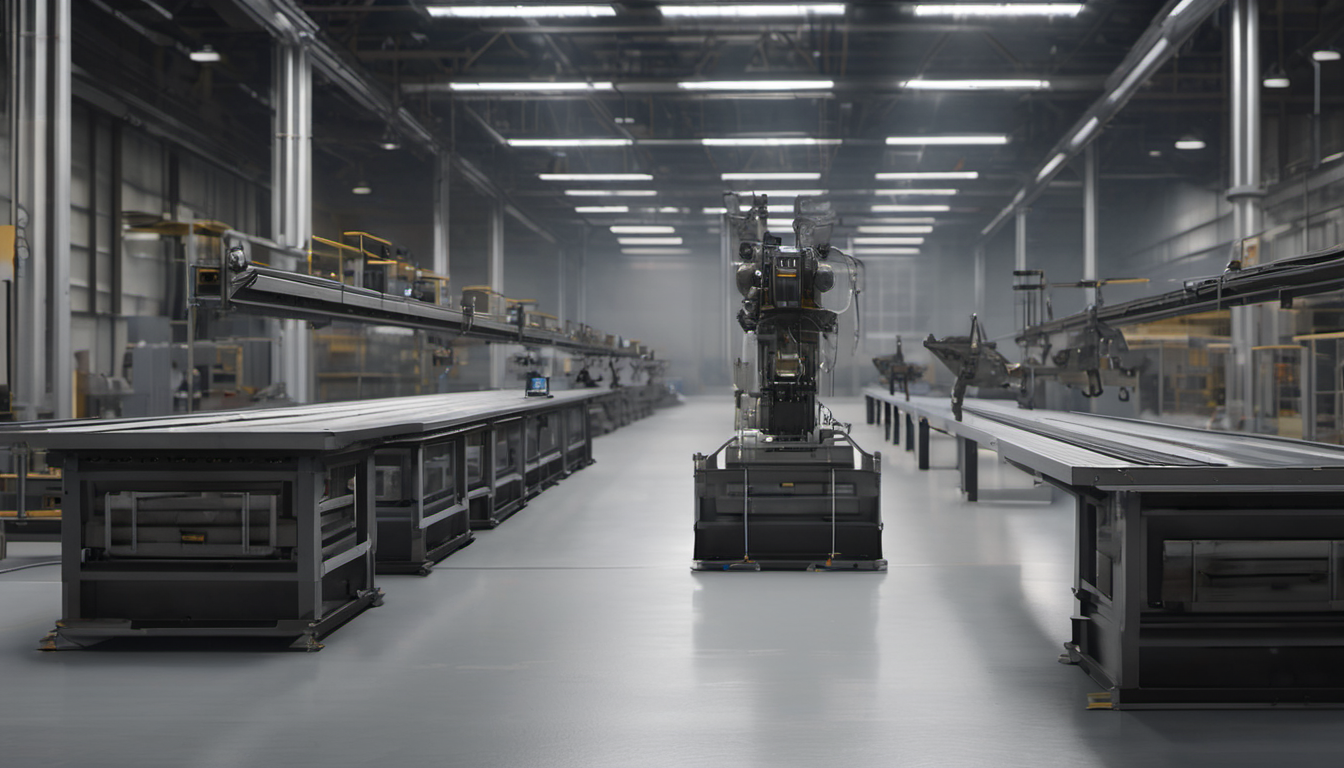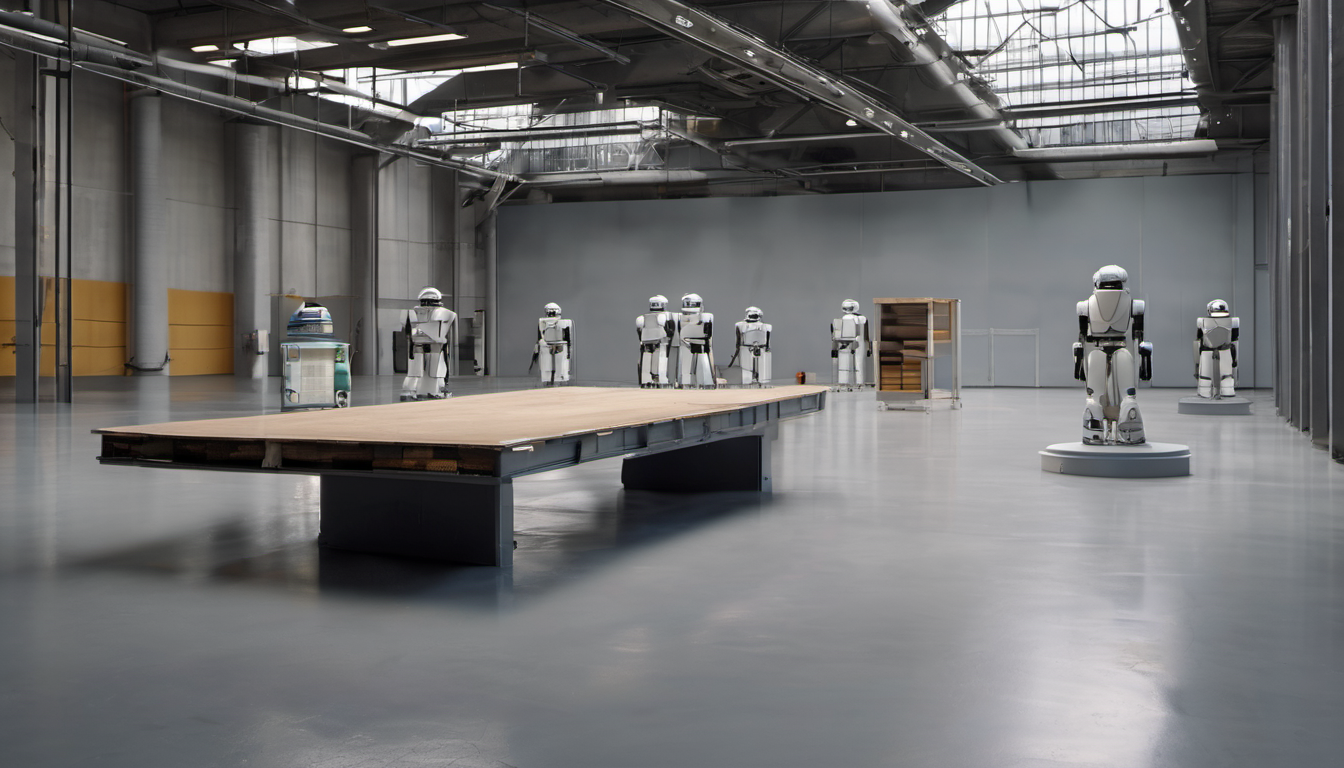
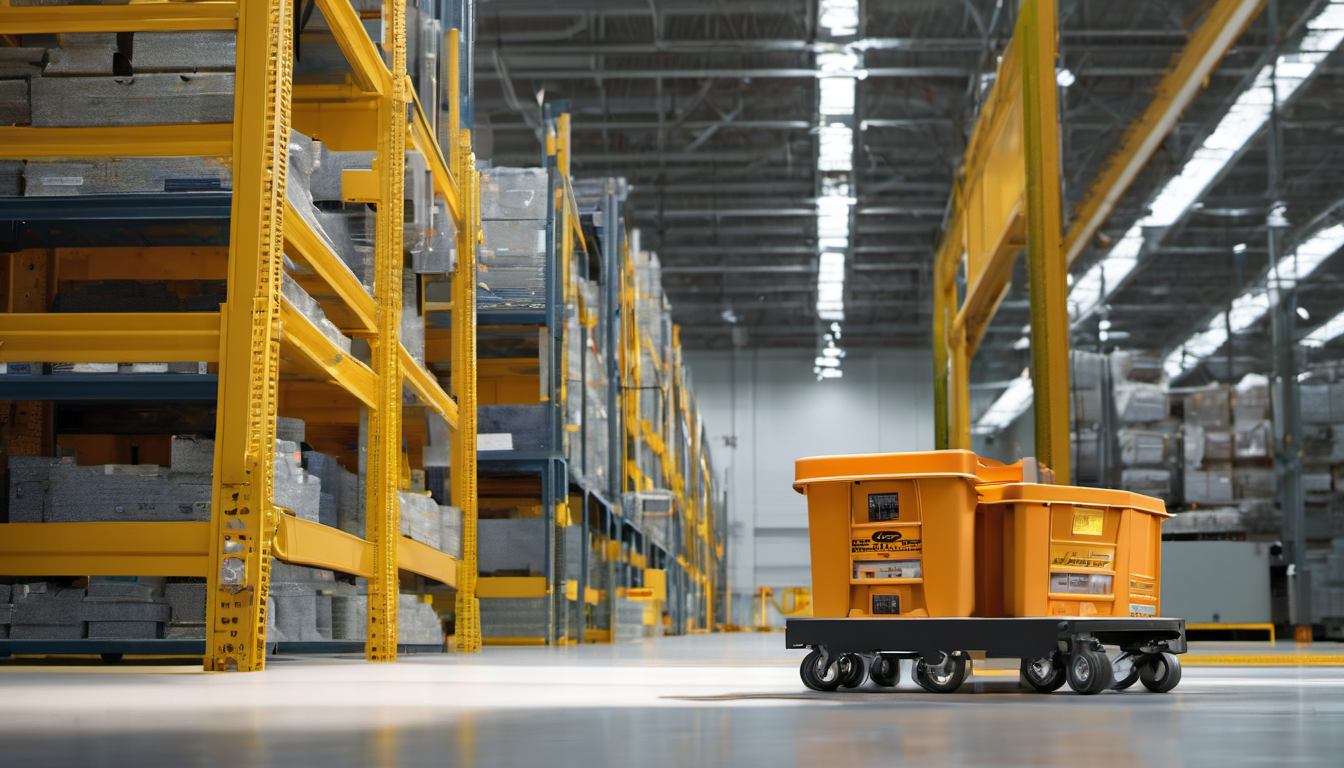
In late June, BMW walked reporters onto the floor at Spartanburg. A humanoid robot stepped off its charging dock, crossed to a stack of green plastic bins, pulled a part out of one, turned, set it in a trolley, and dragged the trolley across the concrete.
The New York Times, in a piece published August 11, described the movement as suggesting a worker with a bad hangover. Ulrich Wieland, the BMW vice president running logistics at the plant, put it more usefully: they are still slower than humans, and they are advancing fast.
The speed is not the interesting part. The task is.
Three programs, one job
Lay the three publicly disclosed automotive humanoid deployments side by side and the first assignment is identical.
BMW is testing Figure’s machine at Spartanburg on bin-picking and trolley loading. Hyundai bought Boston Dynamics in 2021 and plans to start its humanoids on arranging components in a specified order for humans to install. Mercedes is testing Apptronik in Austin, and says the same thing: handling and sorting materials.
The job has a name on a plant floor. Kitting, or line-side sequencing. It is the most standardized, least judgment-dependent, lowest-value-per-hour step on the line. The stated rationale is also identical across all three: carmakers say they cannot retain workers for basic tasks like this.
We flagged this once already, in BMW’s robot built 30,000 cars and its successor sorts parts. One instance is a data point. Three independent programs converging on one workstation is a pattern.
Everything that actually works in Georgia has wheels
Hyundai’s plant half an hour from Savannah, in production since 2024, is the most concretely automated site in the piece.
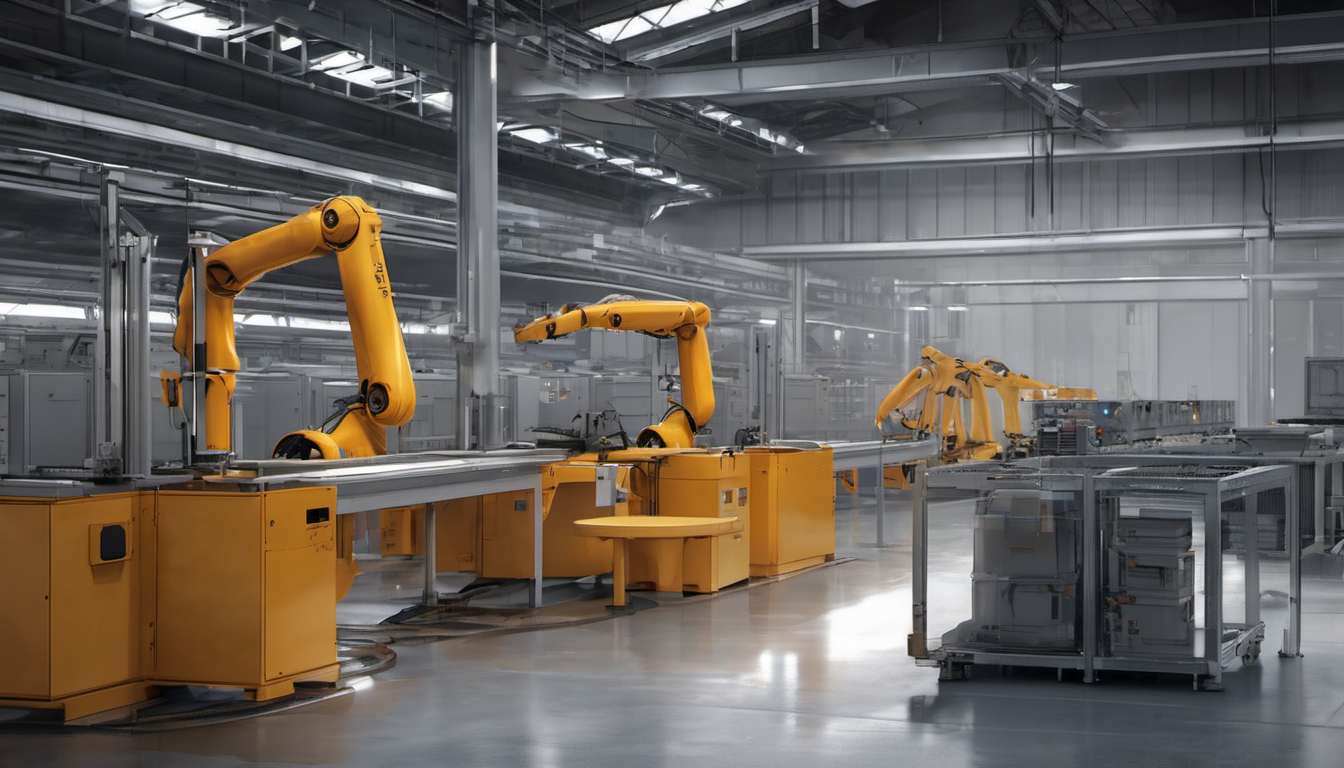
Autonomous carts have largely displaced forklifts for moving material. Four-legged robots walk under car bodies looking for defects. Flat wheeled platforms the size of a queen bed slide beneath finished Ioniq 5s and Ioniq 9s, lift them, and carry them to test stations. That last job used to mean a person driving the car over. Jerry Roach, senior manager for general assembly, offered the comparison: people occasionally hit a pillar, and “we’ve never hit a pole.”
Line those three up. Wheels, treads, four legs. Not one humanoid among them.
That is the shape of the problem. These plants have already proven they can deploy robots at scale. Nothing they deployed at scale is humanoid, and the humanoid, carrying the entire industry’s expectations, has been handed the parts cart.
MIT put a number on it
Ben Armstrong, who runs MIT’s Industrial Performance Center, supplied the two hardest sentences in the article.
On cost: there are usually simpler and cheaper ways to automate a basic task like sorting parts, which makes humanoids “a million-dollar solution to a one-hundred-dollar problem.” On outcome: car factories are already heavily automated, so automating the remainder may not produce large savings or output gains, and in his read “the prospect of humanoids to change the game in automotive is quite small.”
Armstrong added the supply-side arithmetic. Deploying a robot in China costs a fraction of what it costs in the United States, because China has a dense ecosystem of actuator and sensor suppliers that has no American equivalent. Last month the FCC banned imports of humanoids and other advanced robots from China, a ruling we covered in Unitree pricing its IPO the week America banned its robots. Take the cheapest supply off the board and every remaining option gets more expensive by definition.
Laurence Ales at Carnegie Mellon pointed the same direction from the productivity side: if the deployment is chasing a fad, the risk is that it lowers productivity, because you get a displaced worker without a demonstrably faster process.
GM opted out in public
Not every automaker is on this boat.
GM is building what it calls cobots, with arms and hands and no legs. Sterling Anderson, GM’s chief product officer and a former Tesla executive, told reporters last year that hands are very useful in a car factory but “it’s not clear that legs are,” and that wheels are often more useful. He added that GM does not need to replace the humans, it needs to make their jobs better and easier.
That reads as a press line. It also reads as a procurement argument. Every dollar of humanoid premium buys locomotion, and a car plant’s floor was already engineered for wheels.
Set GM’s position next to Hyundai’s May 19 disclosure to JPMorgan of 25,000 Atlas units and 30K annual production capacity by 2028 and the spread inside this industry becomes visible. One OEM has named the largest humanoid commitment on record. Another OEM has publicly questioned whether legs earn their cost. Tesla sits between them, having stopped Model S and Model X production at a California plant this year to clear floor space for Optimus. Musk told investors last month that Optimus will be the biggest product ever, while conceding the hand remains the hard part. As of mid-July, the Optimus line still had not started production.
Who is exposed, and when
Start with the most exposed layer: kitters, line-side sequencers, bin handlers, material sorters. All three programs point here, and that is not coincidence. It is the ceiling of current hardware drawing the boundary. This work will not vanish quickly, since the machines are still slower than people and BMW’s own logistics VP says so. But it is the single workstation three independent programs are aiming at simultaneously.
Second layer: forklift operators and in-plant transport. Substitution here is already happening in Georgia, and it is happening with autonomous carts, not humanoids. If you want a timeline for in-plant logistics jobs, read the wheeled-equipment purchase orders, not the humanoid launch events.
The work that holds longest is final assembly, confined-space tasks, rework, and anything non-standard. Once a car is in the station, robots are not getting in soon.
Two counter-signals belong in the same ledger. Hyundai’s Georgia plant has stood up a robot-maintenance apprenticeship, which chief administrative officer Brent Stubbs says leads to high-paying jobs. And Ford, which used AI to drive vehicle quality and cut recalls, found the system was making mistakes and ended up hiring 350 experienced engineers, some of them retirees it brought back. Charles Poon, Ford’s VP of engineering, said the company had not paid enough attention to the experience of its most knowledgeable engineers. With those people back, Ford took the top mass-market brand spot in J.D. Power’s most recent new-vehicle quality study. We covered those 350 in the AI layoff boomerang. On a plant floor the meaning sharpens: what the machine replaced was motion, and what the company bought back was judgment.
Then the distribution question, which is the one labor is actually fighting about. Susan Helper, an economics professor at Case Western Reserve who testified on robotics before a congressional committee in April, framed it as a choice about the freed-up time: you can use it for something else, or you can strip out the interesting work, leave the boring work with the humans, and have fewer of them at lower pay.
Labor is already acting on the second assumption. Hyundai workers in South Korea struck last month demanding a say in how the company uses robots. UAW president Shawn Fain called humanoids and AI a profound threat to workers at the union’s June convention.
What to watch over the next few months is not another demo video. It is two duller numbers: whether any of these three publishes a robot-to-human ratio for the kitting station, and what share of 2027 in-plant logistics capex goes to wheeled equipment versus humanoids. The second one tells you where the money actually went.