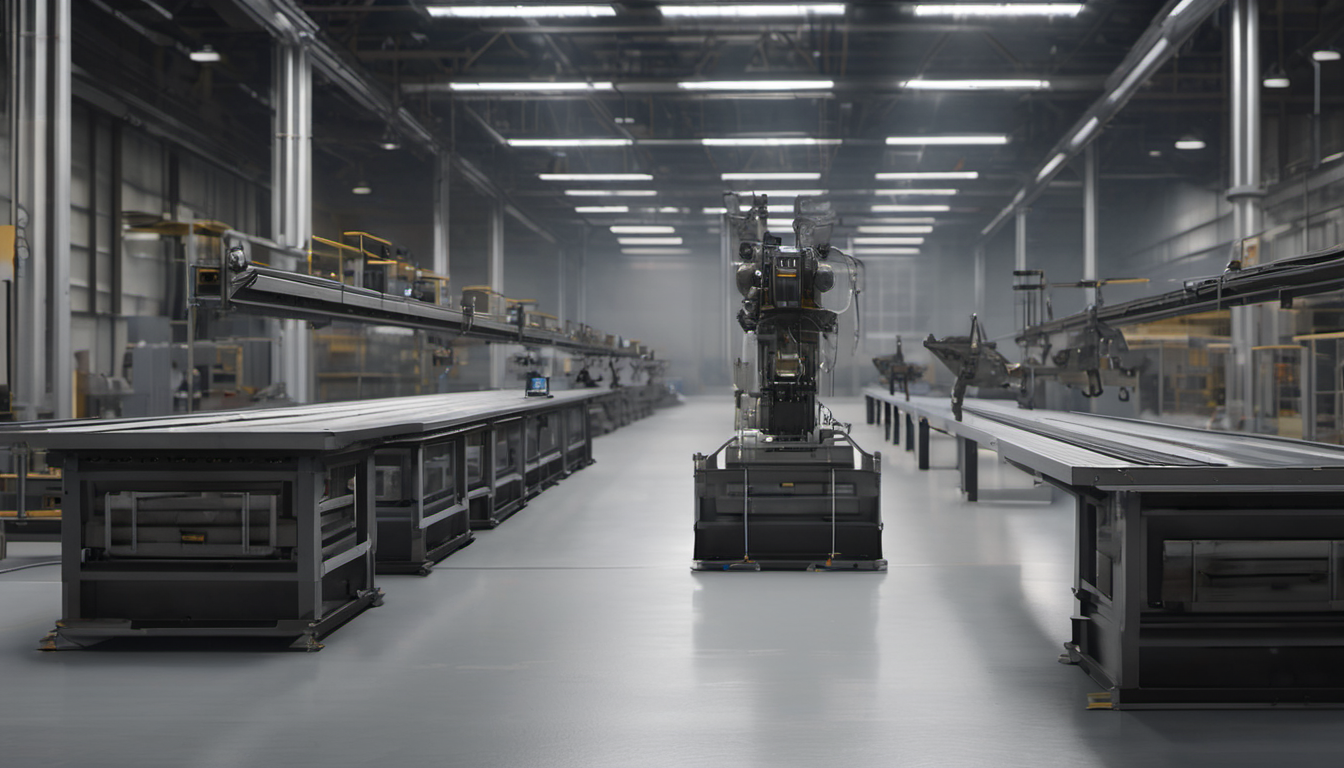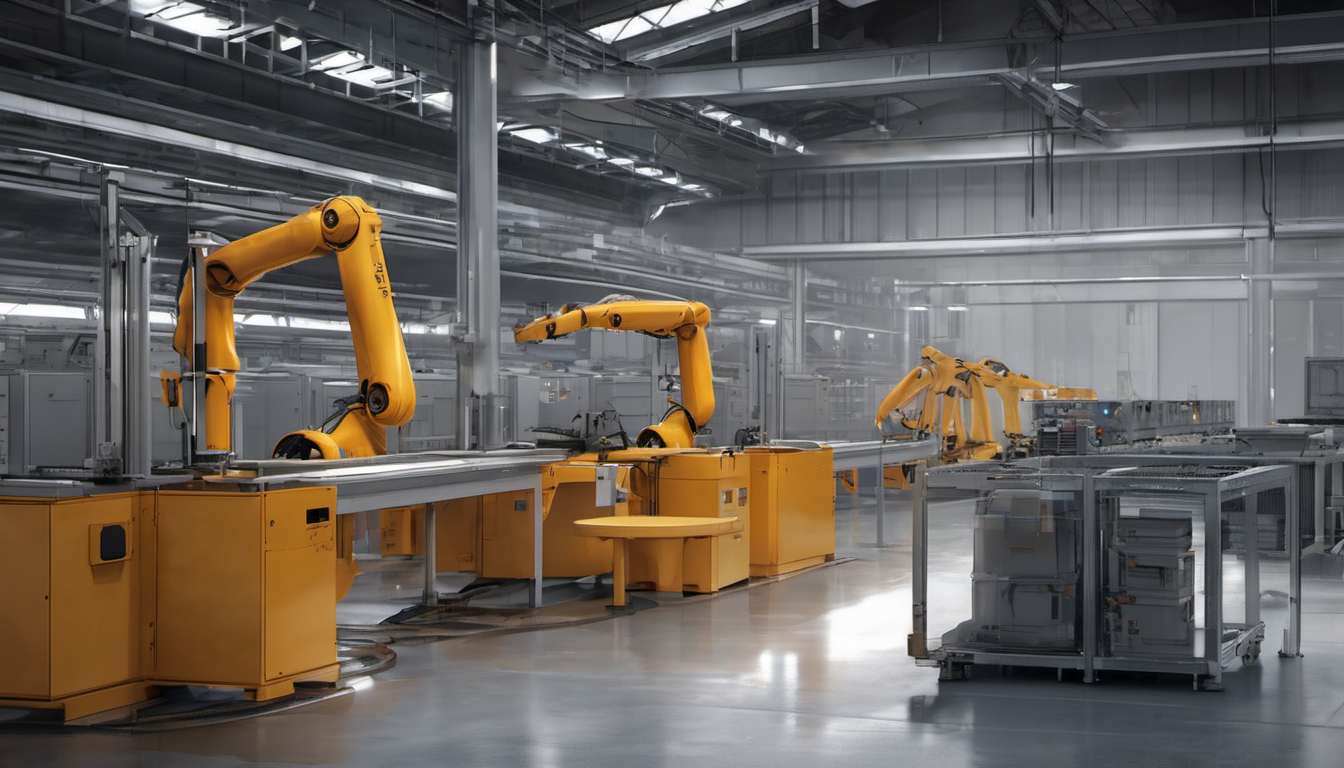
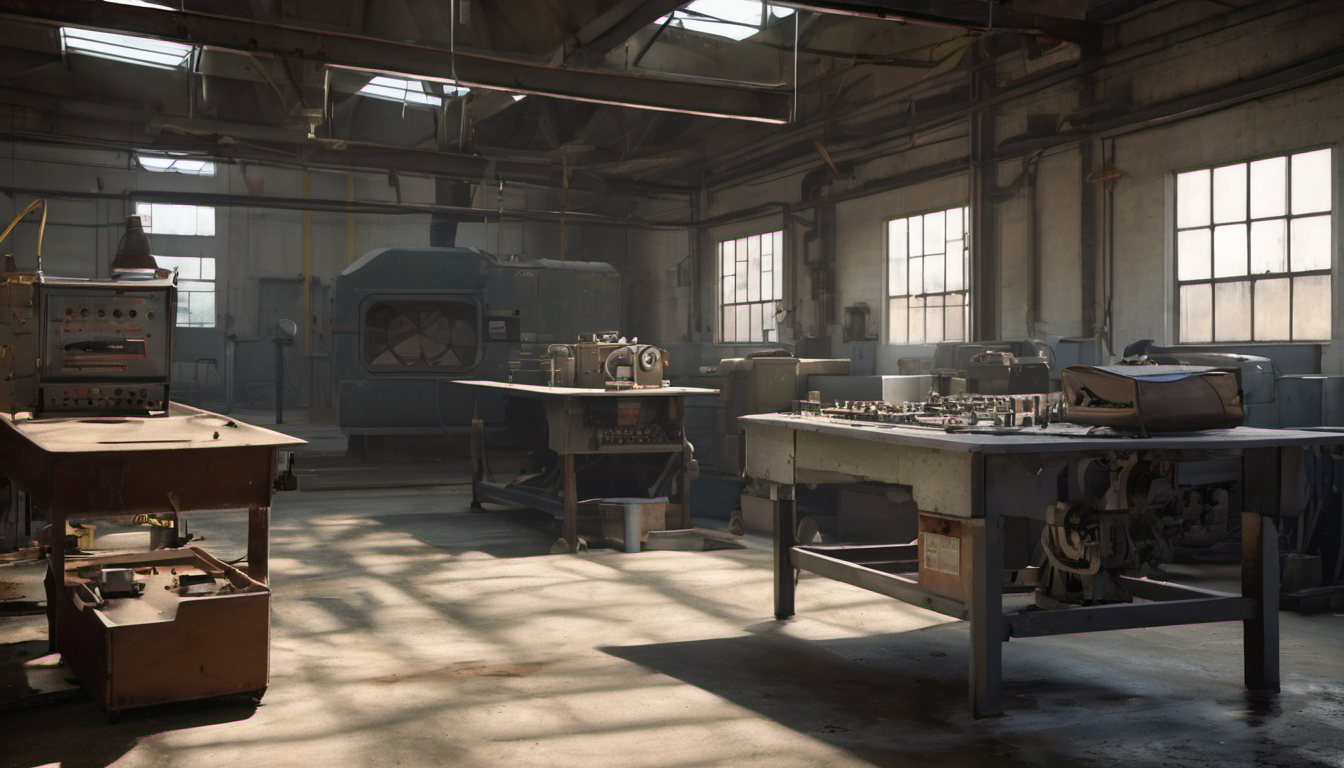
If you read this site you have probably absorbed a certain picture of the American factory: humanoids gliding down the line, robot arms outpacing humans, entire shifts automated into memory. Here is a number that should complicate it. Four out of five US manufacturing facilities operate with zero automation. Not “less than they’d like.” Zero. According to reporting by Manufacturing Dive, roughly 80% of American plants have not deployed any automation at all, even as most executives say they intend to expand AI within two years.
Most plants intend to. Most plants haven’t started. That gap is the actual story of automation in 2026, and it is not the one the demo reels tell.
The barrier isn’t the price tag
The intuitive explanation — robots are too expensive for the average plant — turns out to be wrong, or at least secondary. The manufacturers that have deployed AI at scale share a trait that has nothing to do with budget: before they bought a single system, they fixed their data.
The unglamorous reality, documented by NIST’s manufacturing research and echoed in IBM’s industrial-AI work, is that operational data in most plants is a mess. It is siloed by machine vintage, collected inconsistently across shifts, and stored in formats an AI system cannot ingest. So the typical story goes like this: a plant buys a shiny predictive-maintenance or vision-inspection tool, runs it against fragmented sensor data, gets results too unreliable to act on, and shelves it. The lesson the plant draws is “AI doesn’t work in manufacturing.” The more accurate lesson is “AI doesn’t work on bad data.”
Plants that got past the pilot stage typically spent 12 to 18 months cleaning up data pipelines and standardizing how equipment is tagged before any vendor showed up. That work is boring, invisible, and impossible to put in a keynote — which is precisely why the adoption curve is so much flatter than the hype curve.
What this means if you work on a line
The honest takeaway is double-edged, and both edges matter.
The reassuring edge: the wholesale automation of physical work is not imminent for most facilities. Eighty percent haven’t begun, and the ones who tried mostly stalled on plumbing, not on some superhuman robot. The displacement clock for a lot of manual and line jobs is slower than the humanoid launch videos imply, because a robot that can pick a grape in a lab is worthless bolted to a plant that can’t feed it clean data.
The uncomfortable edge: the gap is a data problem, and data problems get solved. The leaders aren’t winning because they bought better robots; they’re winning because they did the integration work first, and that work is a one-time cost that compounds. Once a plant’s data is clean, adding automation stops being a science project and starts being a purchase order. The 80% is not a permanent moat. It is a to-do list that a lot of operations directors are now, finally, working through.
The quiet second problem
There is a sting in the tail that most plants aren’t discussing yet: security. As AI systems get wired into process-control networks, they widen the attack surface in ways old OT security was never built for. Researchers have already shown attackers manipulating an AI support system into taking actions it shouldn’t — no firewall breach required, just a model talked into the wrong decision. Industrial security firm Dragos has flagged the same logic-manipulation risk for plant floors. So the automation the other 80% are being urged to rush into carries a bill that isn’t only measured in robots — it is measured in a new class of exposure most factories can’t yet scan for.
None of this is an argument that automation isn’t coming. It is an argument for reading the timeline honestly. The factory of the future is real, but for four in five American plants it is still a slide deck, a data-cleanup backlog, and a robot arm somewhere under a dust cover, waiting for the boring work to get done.