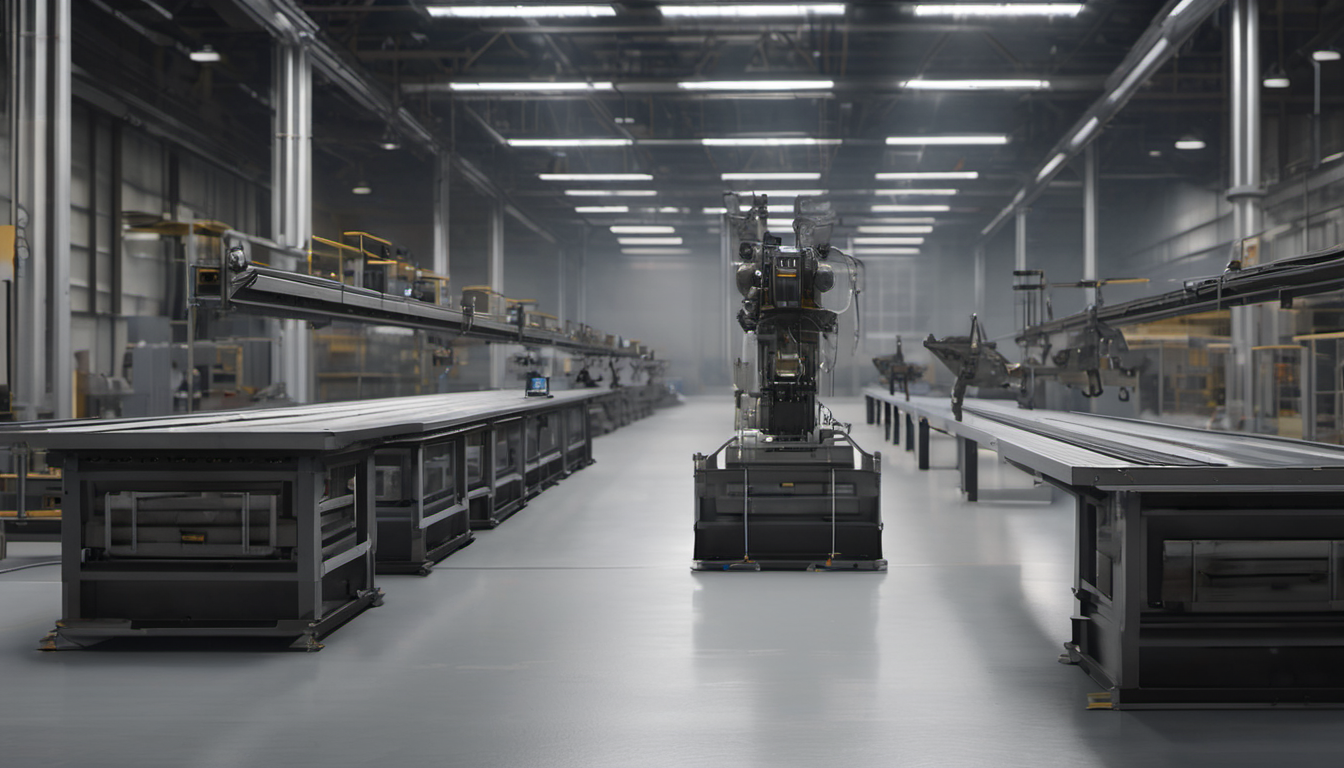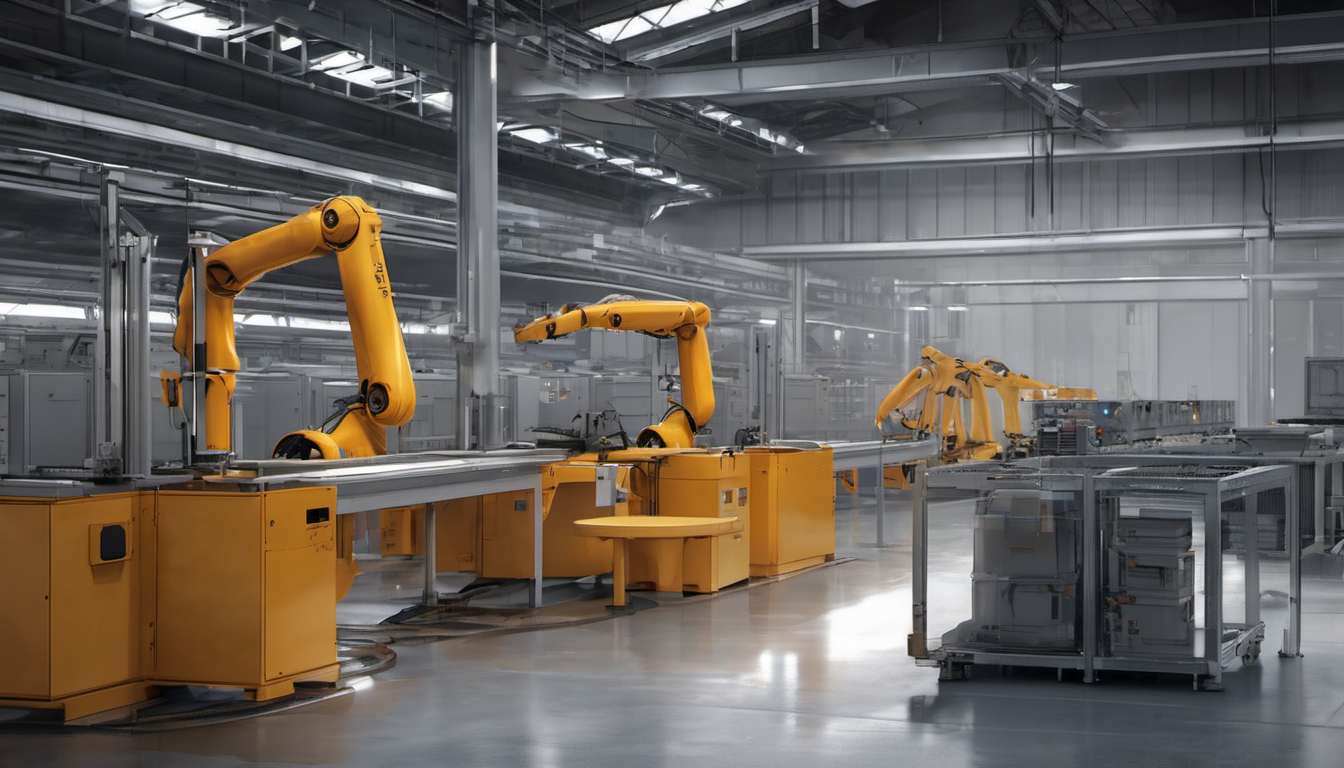
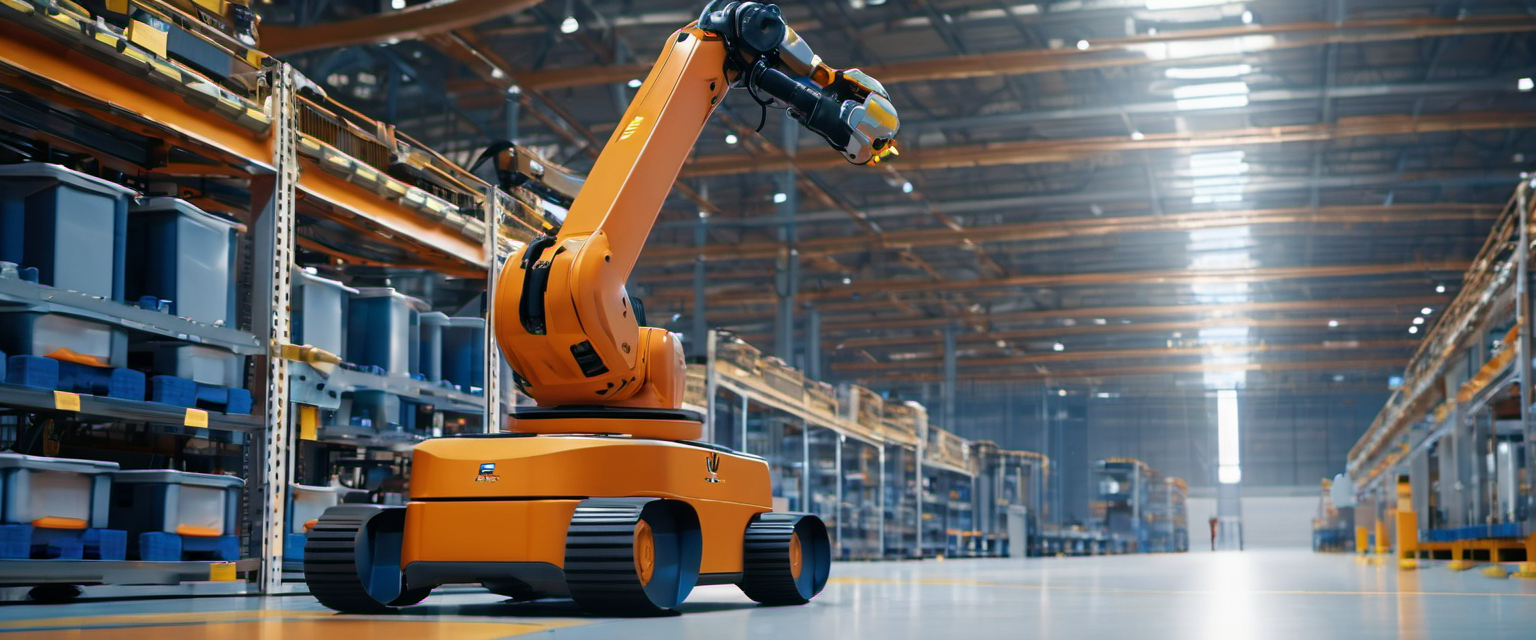
On June 10, Beijing-founded warehouse-robotics firm Geekplus announced that 436 of its moving-type autonomous mobile robots are now operating across multiple Toyota Motor plants in Japan, with single deployments scaled up to roughly 200 units per system. The robots ferry parts and products from inbound receiving through picking and processing areas — work that, until recently, was done by people pushing carts and driving forklifts.
While the humanoid industry spends 2026 racing marathons and performing for trade-show cameras, this is what robots actually replacing labor looks like: flat, orange, knee-high, and deeply uninteresting on video.
Why Toyota said yes
The announcement is unusually frank about motive. Japan’s manufacturing sector is squeezed from two directions: a shrinking working-age population, and the overtime caps on truck drivers that took effect in 2024 — the so-called “2024 problem” that knocked a hole in the country’s logistics capacity. Toyota’s response is to automate the movement of goods inside the plant, so the humans it can still hire do something other than push material around.
Geekplus says the AMRs replace manual transport tasks “previously performed by personnel” — corporate phrasing that needs no decoder ring — while also cutting the forklift-and-tow-vehicle crossings that cause a steady share of factory injuries. The robots log their own travel data as they work, which Toyota gets to repackage as inventory visibility. Geekplus Japan CEO Hirokazu Kato, for his part, offered the standard tribute about being “deeply honored” to serve Japanese manufacturing’s flagship company.
436 is not a pilot
The number matters. Most robot-deployment press releases describe pilots: five units, one site, a “phased evaluation.” This one describes 436 units already running, in fleets of around 200 per system, at the most operationally conservative carmaker on the planet. Toyota does not gamble on production. If Geekplus robots are moving parts at scale inside Toyota City, the technology cleared a bar that most of the flashier humanoid announcements have not yet approached.
There’s also a supply-chain echo worth noting: this is a Chinese robotics company automating the inside of Japan’s most important industrial firm, in the same month American politicians are still debating whether to form a commission to study robot adoption. The robots aren’t waiting for the hearings.
The jobs that go quietly
Nobody files a WARN notice for in-plant logistics attrition. The positions that vanish here — material handlers, tow-tractor drivers, the person who walks the parts bin from receiving to the line — go through retirement-without-replacement, reassignment, and shift consolidation. Geekplus even frames its maintenance training as job creation of a sort: it teaches on-site staff to babysit the fleet.
That is the honest shape of automation in 2026. Not a humanoid taking your chair, but four hundred wheeled robots absorbing an entire category of plant-floor movement, one cart route at a time, announced in a press release that leads with safety statistics. The marathon robots get the headlines. These get the payroll.