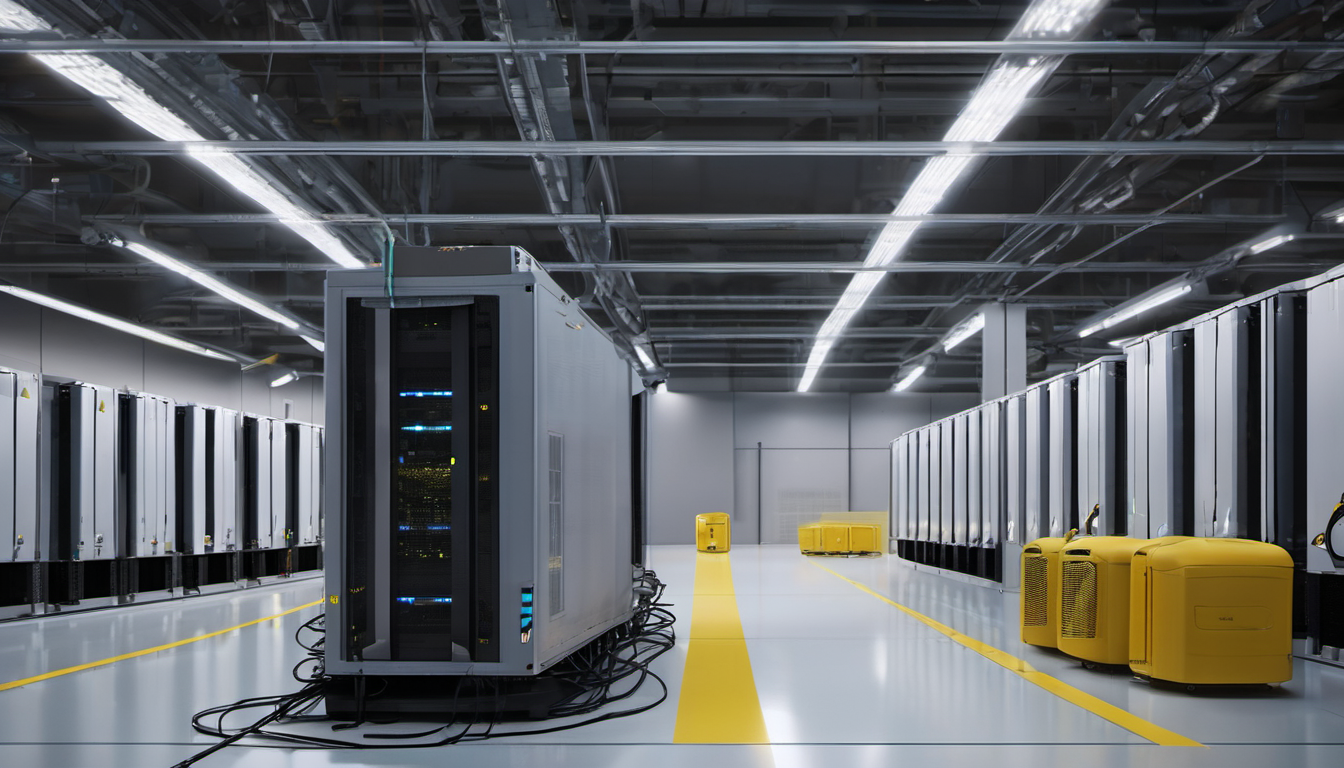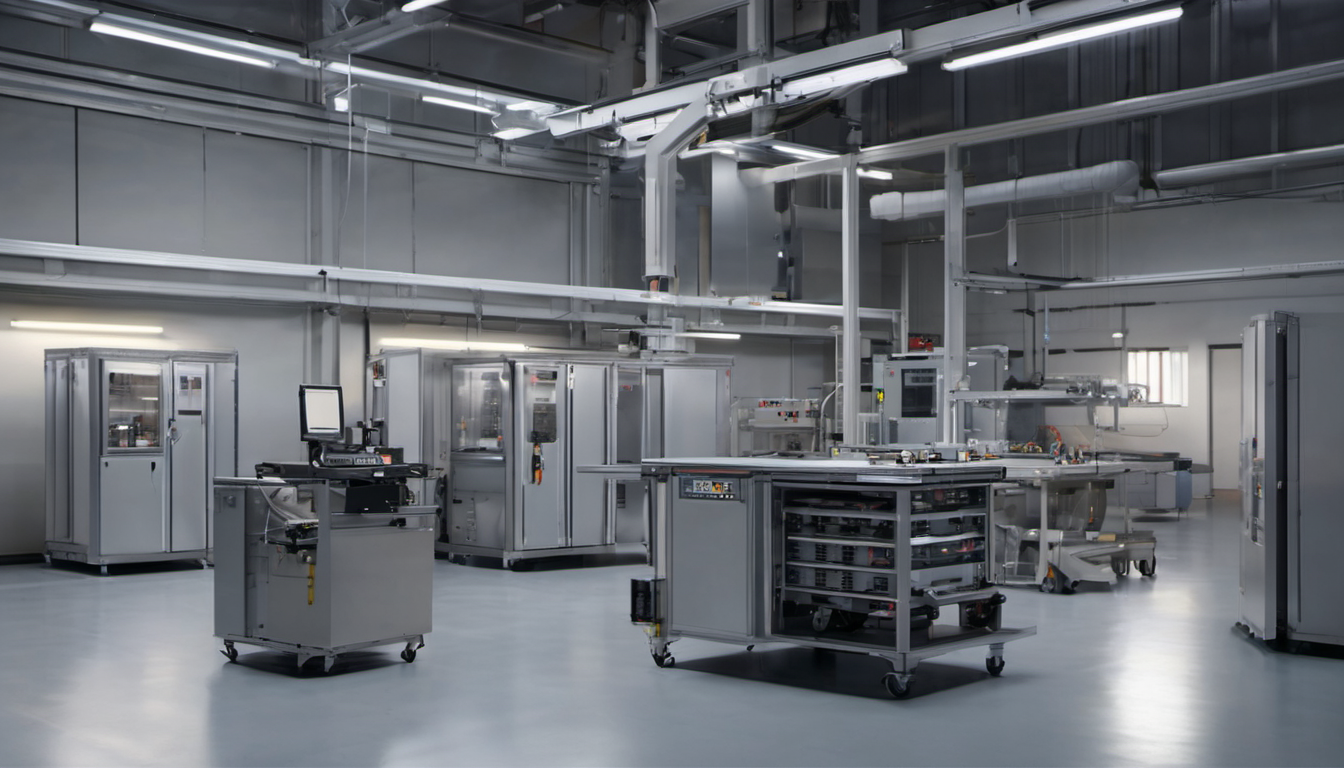
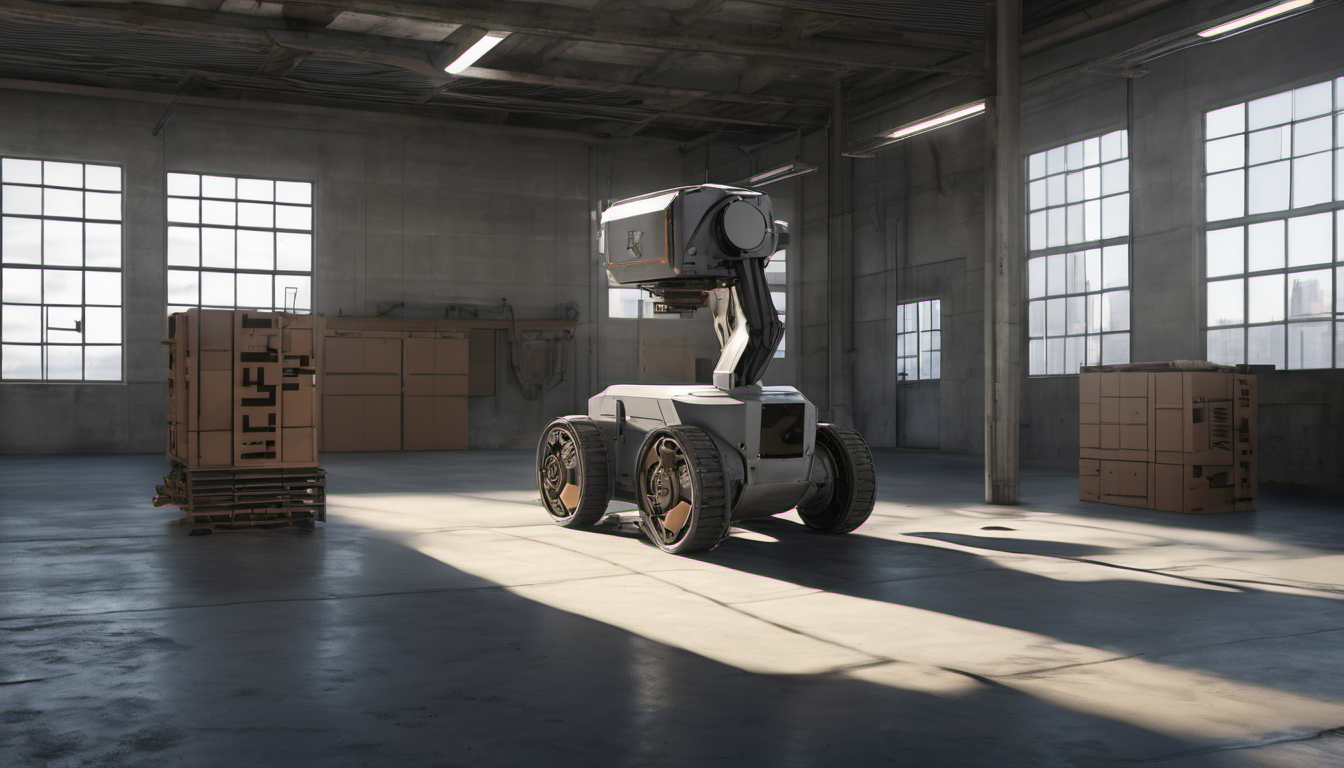
On Tuesday, a London company that did not exist three years ago announced a $152 million Series A at a $1.35 billion post-money valuation. Humanoid — legally SKL Robotics Ltd., founded 2024 by Artem Sokolov — is now Europe’s first pure-play humanoid robotics unicorn, and the round is the largest Series A a humanoid-first company has raised on the continent.
Prime Movers Lab led. Total raised to date: $270 million. Headcount: about 250 engineers. That works out to roughly $5.4 million of valuation per employee, at a company whose commercial robots ship as a Beta in Q4 2026. Which is to say: not yet.
The interesting part is the cap table
Skip the valuation. Look at who wrote the cheques.
Schaeffler participated. So did Bosch, via Robert Bosch Robotics GmbH. Fubon Financial Holding Venture Capital and Aglaé Ventures rounded it out, as SiliconANGLE reported.
Schaeffler is not a neutral financial investor here. In May, Humanoid and Schaeffler signed the largest publicly disclosed humanoid rollout contract of this cycle — 1,000 to 2,000 wheeled units across Schaeffler plants by 2032, bundled with a five-year deal making Schaeffler the preferred supplier for more than half of Humanoid’s joint actuators. At the time, the odd structural fact was that the customer was also the supplier.
As of Tuesday, the customer is also the supplier and a shareholder. Bosch, meanwhile, is the contract manufacturer — its CTO Mathias Pillin confirmed Bosch builds the robots while also advising on hardware design, production, and supply chain — and now also a shareholder.
So the loop closes: the company that buys the robots supplies the parts and owns a piece of the maker. The company that builds the robots owns a piece too. Demand, supply, manufacturing, and equity are held by an overlapping set of German industrial balance sheets.
This is not scandalous — it is how European industrial ecosystems have always financed capital equipment, and it is a genuine vote of confidence from firms that will have to live with the machines. But it does mean the $1.35 billion is not a clean market price. It is a number agreed among parties who each have a second reason to want it to be high.
The wheels, again
Humanoid’s mass-manufacturing plan is explicitly for wheel-based robots. The bipedal Alpha exists; the thing going into volume does not walk.
That is now the third time in ten weeks this site has written the same sentence about a different company. Walden Robotics put wheeled machines inside a Toyota plant and raised $300 million on it. Schaeffler’s rollout is wheeled. Humanoid’s factory line is wheeled.
The pattern is worth naming plainly: the humanoid industry has quietly decided that legs are a demo feature and wheels are a product feature. Legs get you the WAIC keynote and the viral clip. Wheels get you into a warehouse where the floor is flat, the aisles are mapped, and the failure mode of falling over costs real money. Every company that has actually signed a deployment contract this year has signed it for something on wheels.
Which reframes what the $152 million is buying. It is not funding a robot that replaces a person’s body. It is funding a torso-with-arms on a cart that replaces a specific, narrow, floor-level task — box handling, kitting, line-side delivery — in facilities that were already partially automated.
What it means for the floor
For anyone working in logistics or manufacturing in Germany, the Schaeffler timeline is the one that matters, not the valuation. First phase runs December 2026 to June 2027 at Herzogenaurach and Schweinfurt. Beta robots roll out to customer facilities in Q4 2026 across logistics, manufacturing, and retail.
That is five months away, not five years. And unlike most humanoid announcements, this one has a signed contract, a named factory, a contract manufacturer with the capacity to build at volume, and now $270 million of runway behind it.
The company is two years old. The robots do not walk. Both of those facts make it more likely to ship, not less.
Sources