On June 19 the International Federation of Robotics released preliminary figures that the American robotics industry has been waiting two years for: US factories installed 38,000 industrial robots in 2025, an 11% jump over the prior year, reported via RoboticsTomorrow. “The United States are back on the growth track,” IFR President Takayuki Ito said. After a soft patch, the machines are arriving on American factory floors again — and the breakdown of where they are arriving is the part worth your attention.
It’s not the car plants anymore
For decades, “industrial robot” in America meant “car factory.” That is no longer the engine. Automotive installs came in at 13,500 units, actually down 1% on the year — still the single largest adopter, still the industry’s third-best result in seven years, but flat. The growth is coming from everywhere else. Food production led the surge with a 30% increase, landing at roughly 3,000 installations and pulling level with metal-and-machinery and electrical-electronics, each also near 3,000 units.
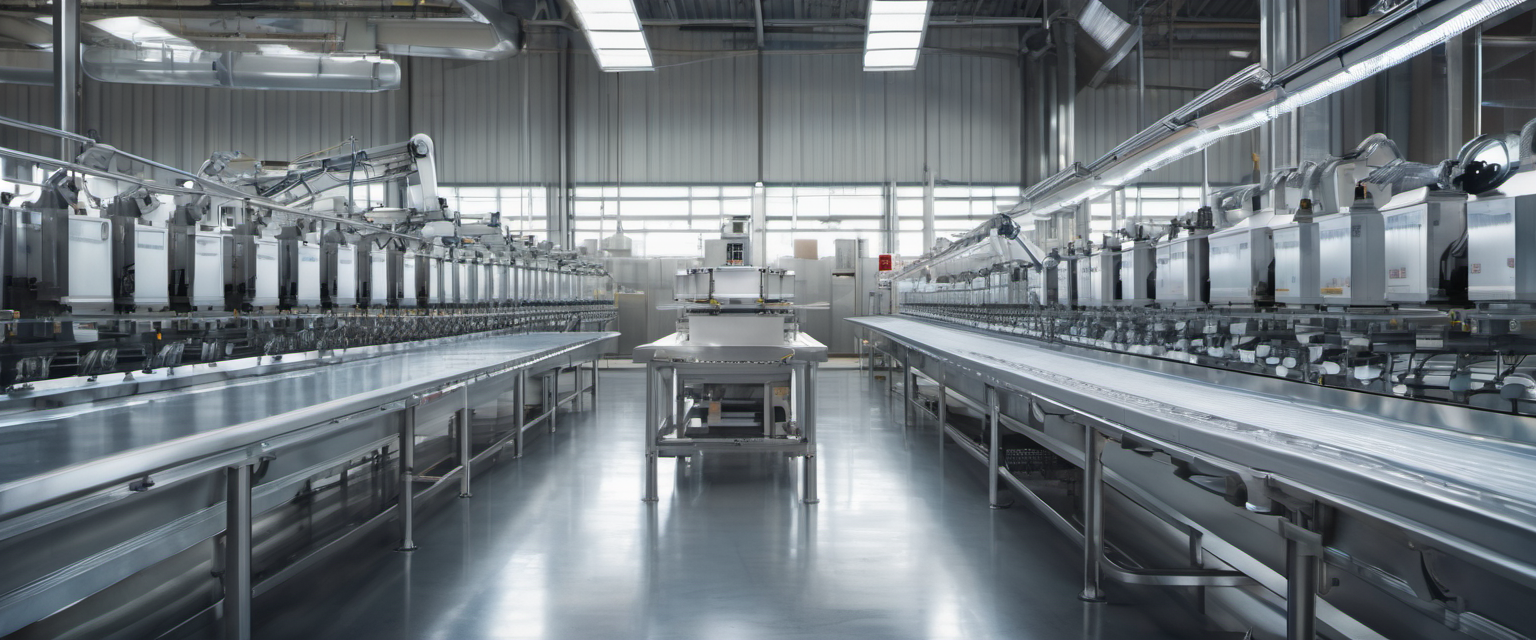
That shift matters more than the headline percentage. Automotive automated decades ago; the marginal robot there replaces an older robot. Food plants are a different story — they have historically been labor-heavy, lower-margin, and full of exactly the repetitive cutting, sorting, packing, and palletizing jobs that “flexible automation” is now cheap enough to take. When the fastest-growing slice of robot adoption is the food industry, the workers feeling it are not on a Detroit assembly line. They are in processing plants and packing houses.
The number that doubles as a displacement ratio
IFR’s signature metric is robot density: industrial robots in use per 10,000 manufacturing employees. The US now sits at 307, up two spots to 8th in the world. Read that figure slowly, because it is also, almost literally, a measure of how many human factory jobs each cohort of robots stands next to. The countries ahead are instructive: South Korea runs 1,220 robots per 10,000 workers, Germany 449, Japan 446. The US, at 307, is still comfortably ahead of China’s 166 — which is where the comforting part of this story ends.
Density flatters the United States. Volume tells the truth. China installed 295,000 industrial robots in 2024 — 54% of the entire global market — and IFR estimates its 2025 number is running about ten times the US total. America can lead on robots-per-worker because its manufacturing workforce is comparatively small; China is automating a vastly larger industrial base outright. One country is getting denser. The other is getting bigger. Those are not the same race, and only one of them sets the global price of automated labor.
What it means on the floor
The temptation with a stats release like this is to file it under “industry recovers, line goes up.” But every one of those 38,000 robots was bought to do a task a person was doing or would otherwise have to do. That is not a moral complaint — it is the entire economic point of buying the robot — but it does mean the IFR’s growth chart and the continuing-claims data showing a frozen rehiring market are describing the same world from two ends. Capital is flowing into machines that replace repetitive work, and the humans who used to do that work are finding the door back into employment slower to open.
We have watched the on-the-ground version of this all spring: 436 wheeled robots quietly taking over in-plant logistics inside Toyota, while US lawmakers debate whether to even form a commission to study robot adoption. The IFR’s 11% is the macro signature of all those individual deployments. The food-plant worker does not read density tables. They just notice that the line they used to staff now staffs itself — and that the next plant down the road is installing the same arms.