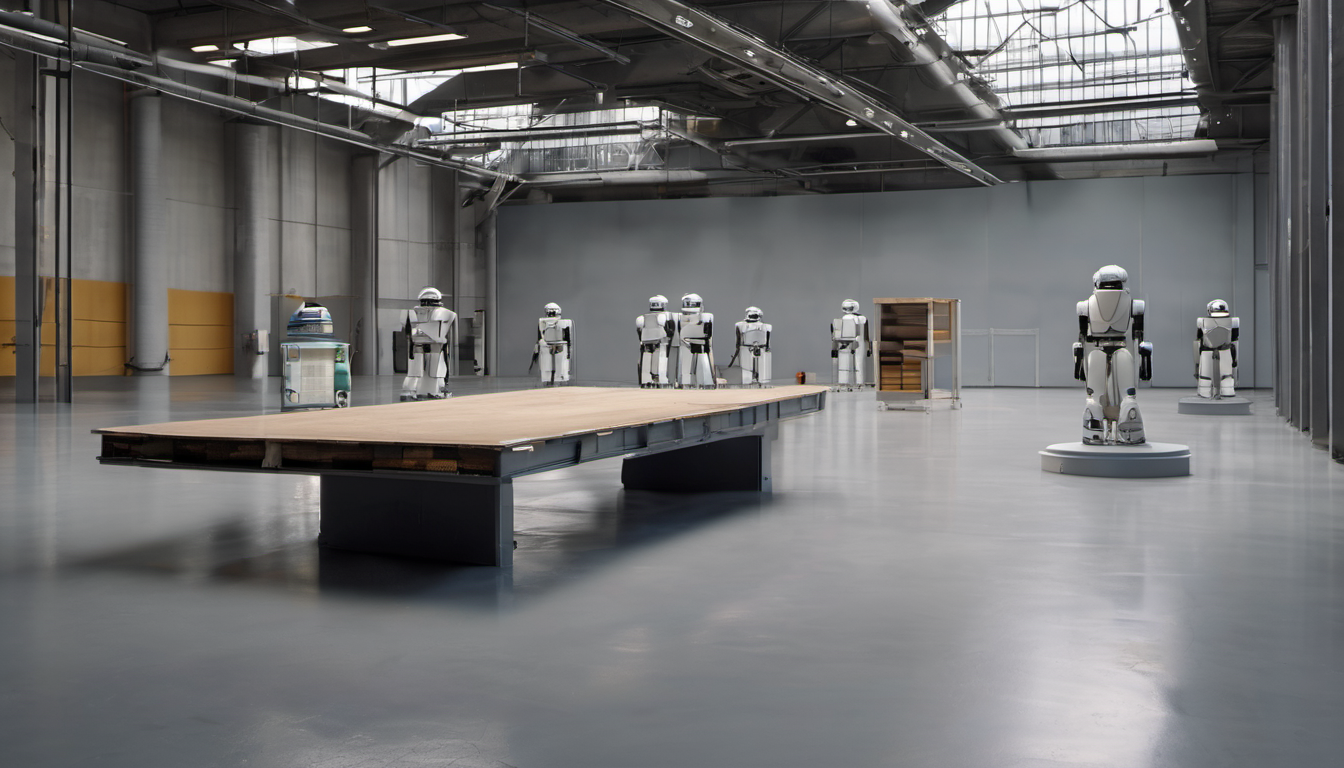
On August 13, LG Corp. chairman Kwang Mo Koo and Jensen Huang shook hands at NVIDIA’s Santa Clara headquarters, holding a miniature humanoid robot between them with both their signatures on it. The press release that followed led with the humanoid: a next-generation bipedal robot built on NVIDIA Isaac GR00T, unveiling in the first quarter of next year.
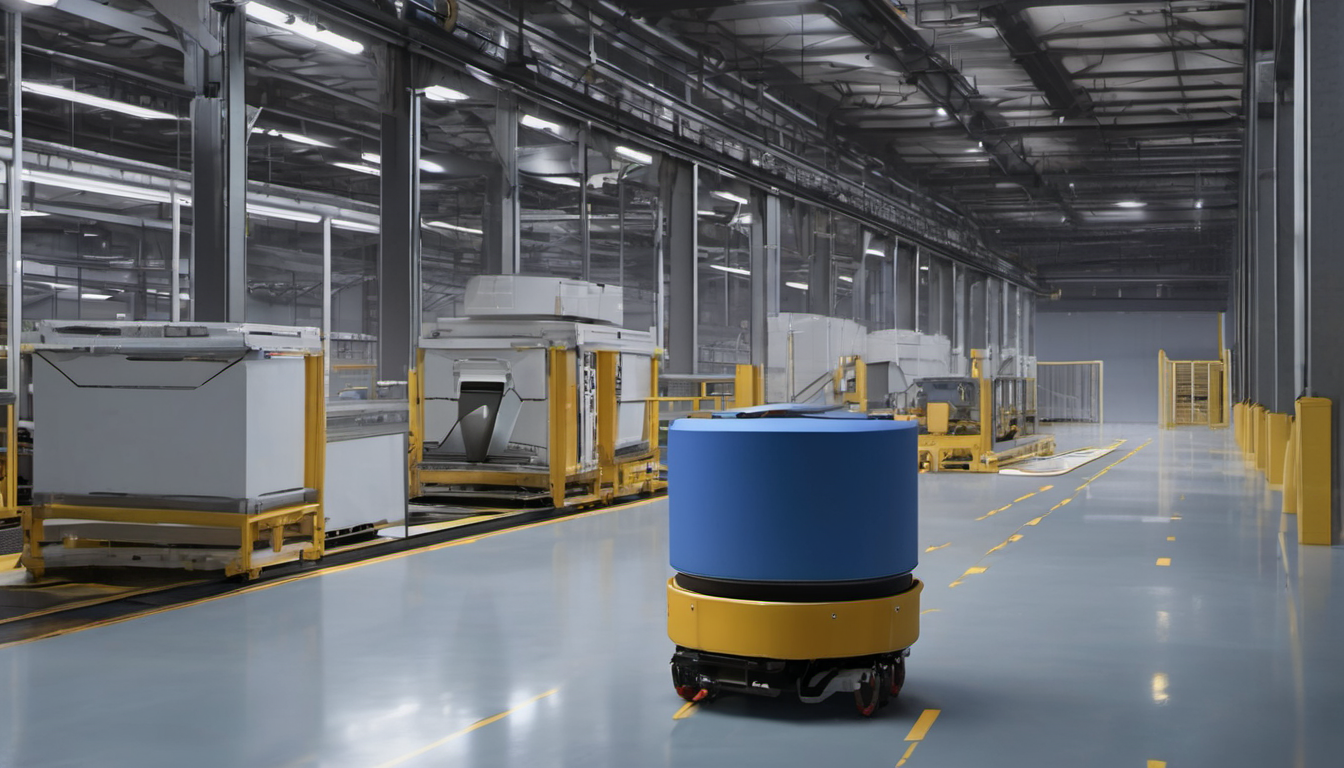
That robot does not exist yet. One paragraph down sits a robot that does, with a date attached to it. LG will put CLOiD, a wheel-based unit, onto the line at LG Electronics’ washing machine plant in Tennessee before the end of this year.
Three commitments, one calendar entry
The MOU covers three areas, and only one of them names 2026.
Robotics. The humanoid runs NVIDIA Jetson Thor for onboard compute, Isaac GR00T for reasoning, and NVIDIA Halos for Robotics as a safety layer. Components come from inside the group under what LG calls “One LG”: actuators, sensors and batteries sourced across LG Electronics, LG Innotek and LG Energy Solution. LG named no target application, no production schedule, and no commercial availability. Just a Q1 unveiling.
The wheeled robot got specifics. CLOiD goes onto the Tennessee washing machine line within this year for validation in a live production environment, after which LG says it will refine performance and expand to global production facilities, homes and commercial spaces.
AI factory. LG will build a reference site on NVIDIA Vera Rubin in the first half of 2027, followed by an 80MW facility in Cheonan, South Korea, by the first half of 2028.
Mobility. A next-generation vehicle computing platform on NVIDIA DRIVE Hyperion, no date.
One deployment this year, everything else 2027 and out.
The plant already runs 330 robots
Clarksville deserves its own paragraph, because it is not a greenfield test bed.
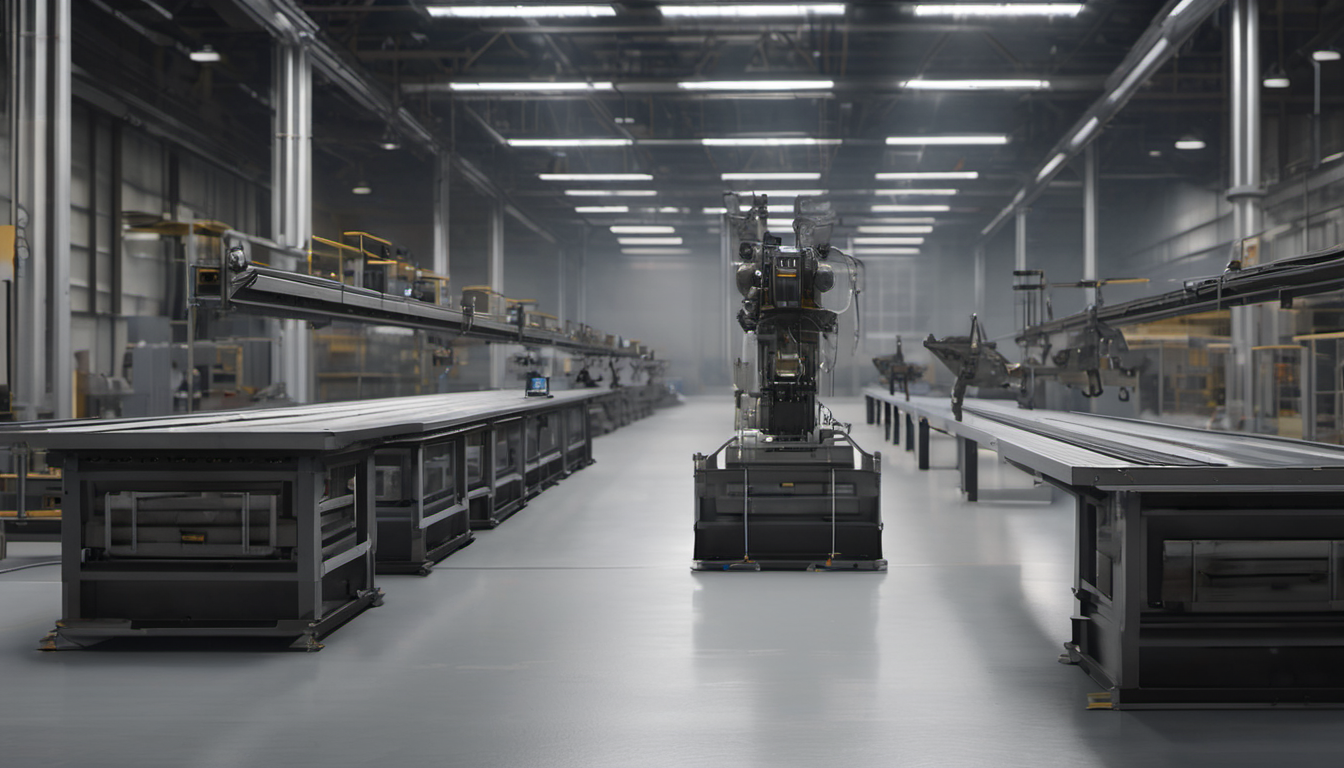
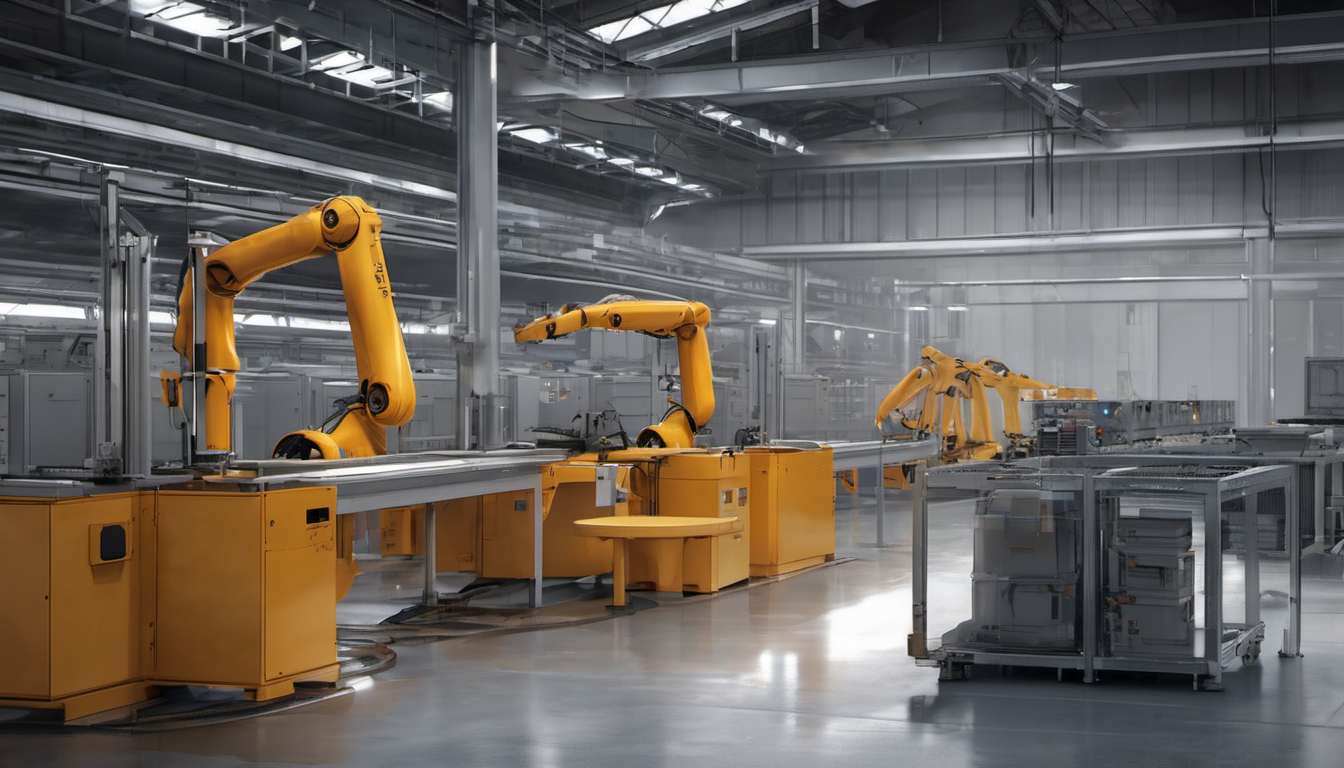
LG Electronics opened the Clarksville, Tennessee appliance plant in 2019 on a $360M investment: 310 acres, one million square feet, with stamping, injection molding, foam, paint and final assembly all in-house. The World Economic Forum designated it a Lighthouse Factory in 2023, the first U.S. home appliance plant to earn it. Today the site runs more than 900 workers alongside 200 mobile robots and 130 fixed robots.
So CLOiD is not being asked to prove that a robot can work in a factory. Clarksville settled that question years ago, with 200 wheeled machines already driving themselves around the floor.
What LG is actually validating is narrower and much harder: whether a GR00T-class reasoning robot can pick up the work the existing fleet cannot. Unfixed routes. Inconsistent incoming parts. Decisions that have to be made on the spot. That is the boundary where today’s automation stops and a person still gets scheduled.
Wheels ship, legs queue
Set this against the last two weeks of coverage and the direction holds.
In Three automakers, three humanoid robots, one job we noted that every piece of automation genuinely running at Hyundai’s new Georgia plant rolls or walks on four legs — AGVs, quadruped inspectors, flat wheeled lifters. Not one humanoid. GM chief product officer Sterling Anderson put the reasoning plainly in that same piece: hands are useful in a car plant, legs are unproven, wheels usually work better.
LG just wrote that judgment into its own production calendar. The humanoid gets a stage in Q1. The wheeled unit gets a line in Q4.
North American demand is moving the same way. A3’s second-quarter data showed non-automotive buyers taking 56% of robot orders as purchasing spread into food, electronics and consumer goods. Appliances sit inside that spread, and LG’s move lands on the curve.
The supply side is the other half of the picture. AgiBot’s shipments are now roughly 70% industrial, and China’s cost advantage in actuators has not gone anywhere. LG’s answer is to build actuators, sensors and batteries in-house. “One LG” is a supply-chain sentence as much as a branding one.
The floor becomes training data
The line most likely to get skipped is LG CNS’s PhysicalWorks platform.
LG describes it as a robot data factory: on-site data collection, synthetic data generation, model training and verification, feeding LG’s in-house Robot Foundation Model, which is still under development.
Translated to the floor: every lift, every grasp, every obstacle a robot works around at Clarksville becomes training material. How the work is done this year determines how the machine does it next year.
For labor that matters more than the deployment itself. Putting one robot on a line affects one station. Running a year of data collection through that line affects the next generation of the whole plant. And once the data is captured, it no longer needs the people whose work produced it.
Who is exposed, and when
Internal logistics and line-feeding. Clarksville has been automating this for years with its existing 200 mobile robots; CLOiD is an increment, not an opening move. These roles do not vanish on an announced date. They shrink through attrition. Someone leaves, and the req never reopens. To time it, watch the plant’s wheeled-equipment purchase orders, not the humanoid launch event.
Judgment-adjacent material handling. Short parts, misplaced bins, routes that have to change mid-shift. This is precisely the band where mobile robots have failed and a human stayed on the schedule, and precisely what a reasoning model is being sold to close. CLOiD’s validation is a direct test of that band. An answer arrives between December and mid-2027.
Final assembly, rework, confined-space and non-standard work. Safe for now.
Two categories move the other way. Robot maintenance and on-site commissioning: a plant at Clarksville’s robot density can already justify a dedicated maintenance crew. And Cheonan, where an 80MW AI factory has to be built by the first half of 2028 — power, cooling and electrical trades, with no substitute available on that timeline.
What the MOU never mentions is headcount. LG did not say whether the deployment changes Clarksville’s staffing, did not give a robot-to-worker ratio, and did not describe the pace of the global rollout that follows a successful validation.
The two things worth tracking over the next several months are duller than a product launch: which station CLOiD actually works, and how many of those 900-plus jobs appear in the plant’s 2027 hiring plan.
Sources
- LG to Unveil Its Next-Gen Humanoid Robot, Built on NVIDIA Isaac GR00T (LG press release via PR Newswire, August 14, 2026)
- LG, Nvidia Expand Robotics Collaboration With New Humanoid, Factory Robot Plans (AI Insider, August 14, 2026)
- Robots Rule LG’s Clarksville Plant (IndustryWeek)
- PHOTOS: LG cuts ribbon on $360 million home appliance factory in Clarksville (ClarksvilleNow)