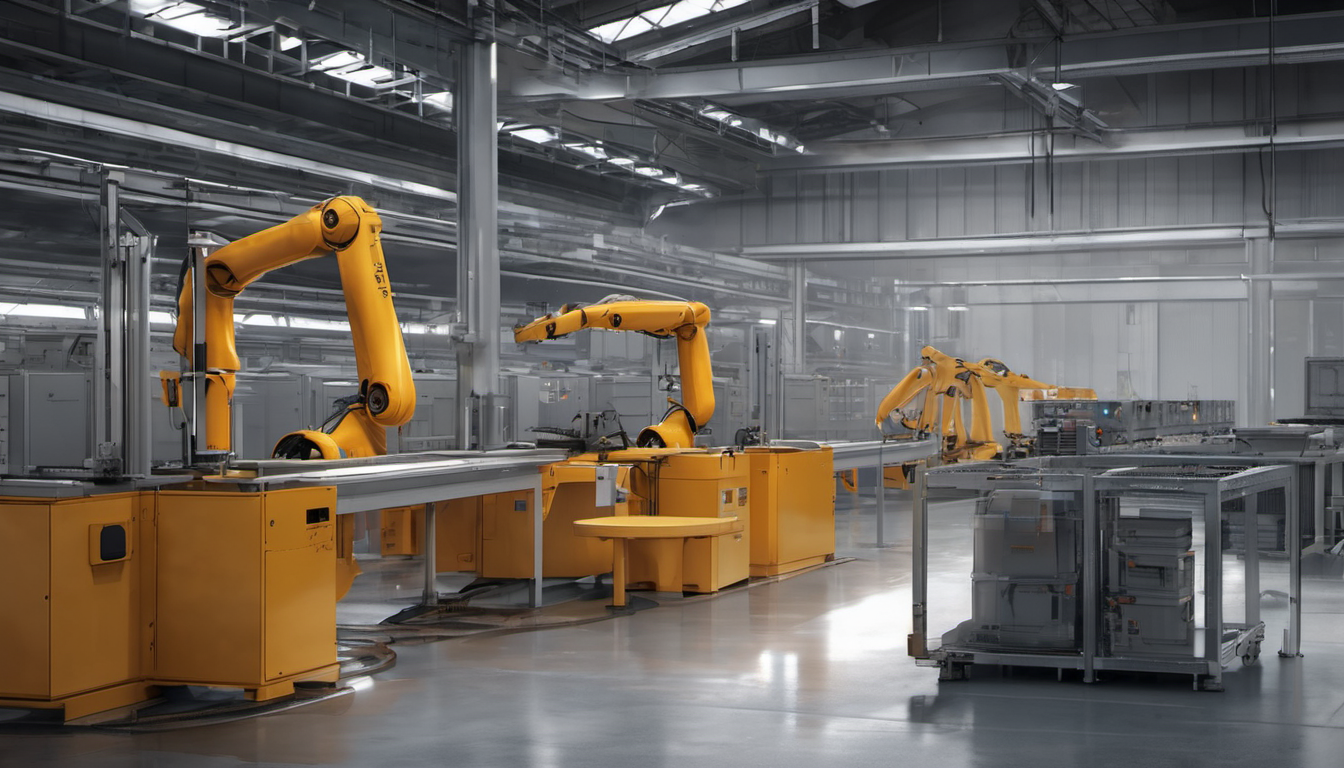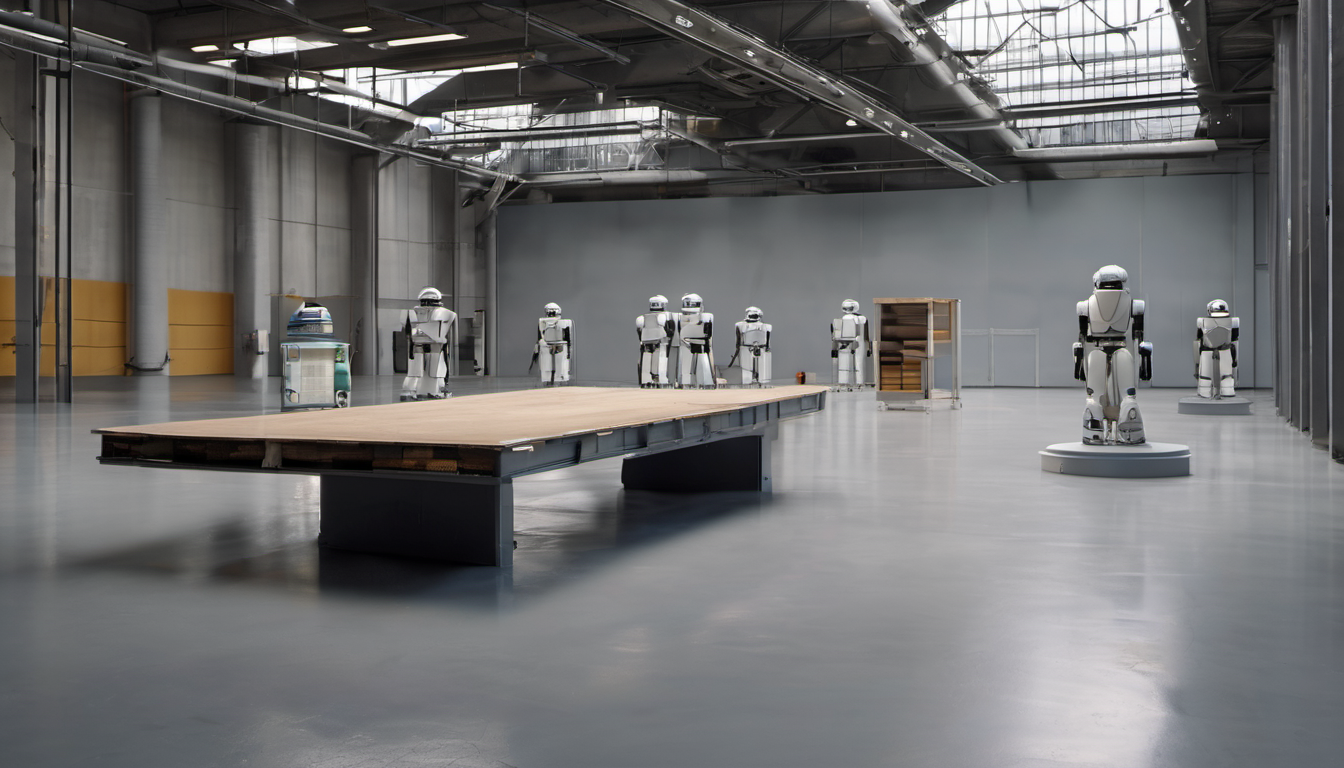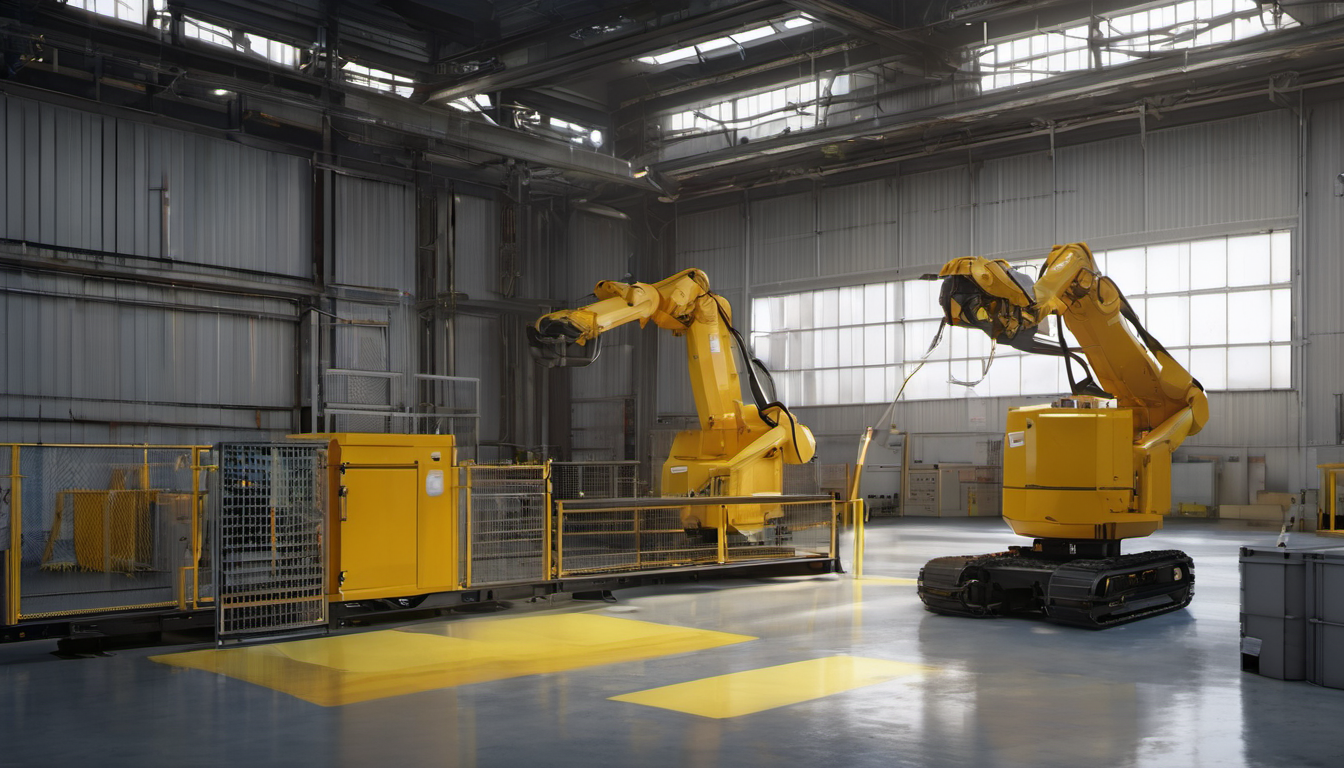
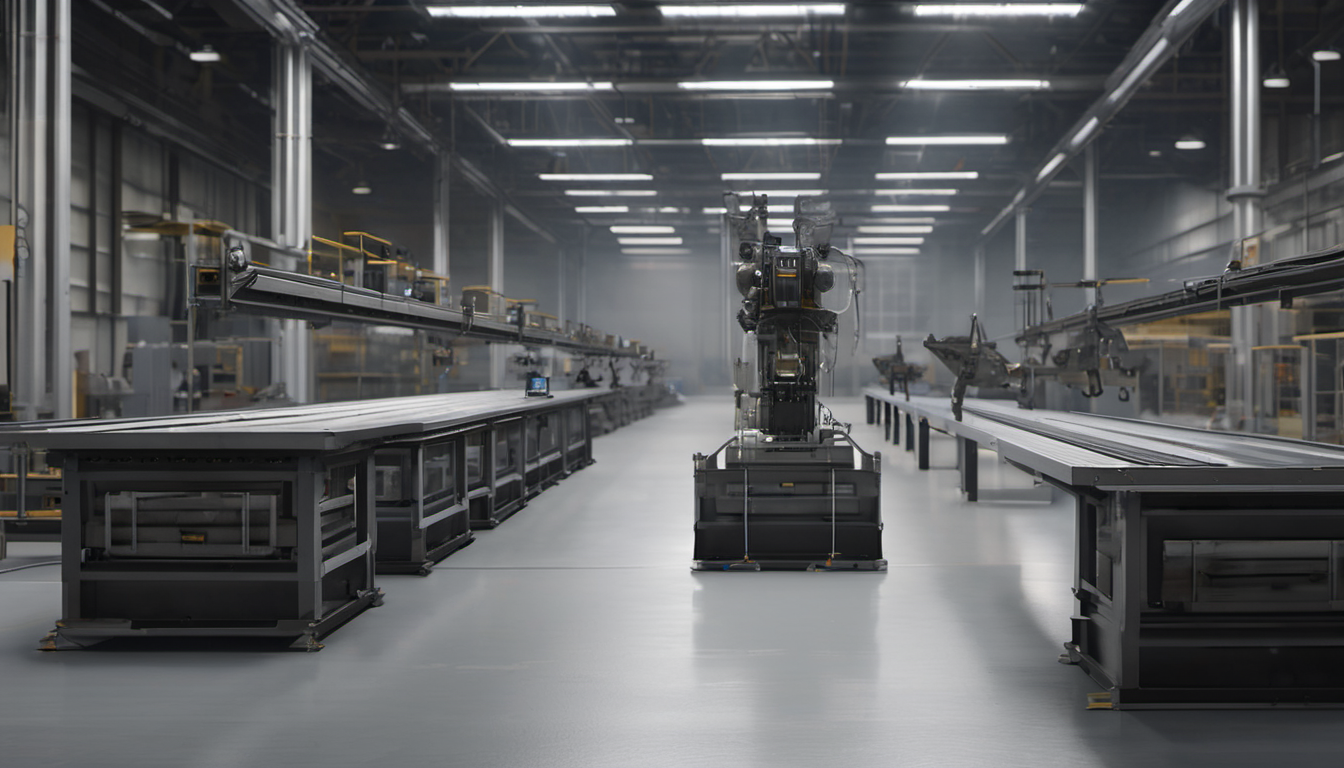
On October 21, Tesla said Optimus has moved onto a production line. Elon Musk told the Q3 call that “we’ve started like what I’d call early production on our high-volume line in Fremont,” per the Motley Fool transcript. As we covered on September 25, Optimus was running at hundreds a week with no paid work. This is the next stage, and it comes with a date range and no unit count.
The numbers that were given
Tesla’s update, quoted by The Next Web, says the bots coming off the line are the first production-quality ones it has built. Musk’s target is 20,000 units a week, and he said reaching that annualized rate “takes us probably at least a year, maybe a little longer.” He called the early part of the ramp shallow and bumpy.
Twenty thousand a week is about 1.04 million a year, our arithmetic. Outside customers come later: Musk tied delivery to companies other than Tesla to roughly the end of next year, once what he called design issues are solved. He said the hand is still the hardest part, and that the AI5 chip should reach Optimus around April.
Not given: a current weekly output, a unit price or cost, and any headcount for the line. The Tesla update deck itself was blocked to us, so the line about production-quality bots rests on The Next Web’s quote.
The cohort
Set 1.04 million a year against what the industry actually shipped. IDC put first-half 2026 humanoid shipments at about 25,000 units, and Frost & Sullivan estimated 36,000. Tesla’s target is roughly 30 to 40 times that half-year total, every year. A target is not output, and Musk was careful to date this one a year or more out. But the order of magnitude explains why the Fremont line matters more than any demo.
The money side points the same way. Tesla’s Q3 net income fell 43% to $787M on flat revenue of $28.05B, while it raised capital spending guidance to about $20B for the year, per The Next Web and the call. The robot is being built out of a weaker car margin.
The labor read
Nothing in the call ties Optimus to a job count at Tesla or anyone else. What it does is move the first possible outside deployment to late 2027, not next quarter. Warehouse handling, line feeding and parts kitting are where a first-generation humanoid with weak hands lands, if it lands. Plant labor in those roles has about a year of runway before an outside buyer can even take delivery, and longer before volume. The signal to watch is the first weekly output number Tesla chooses to publish.