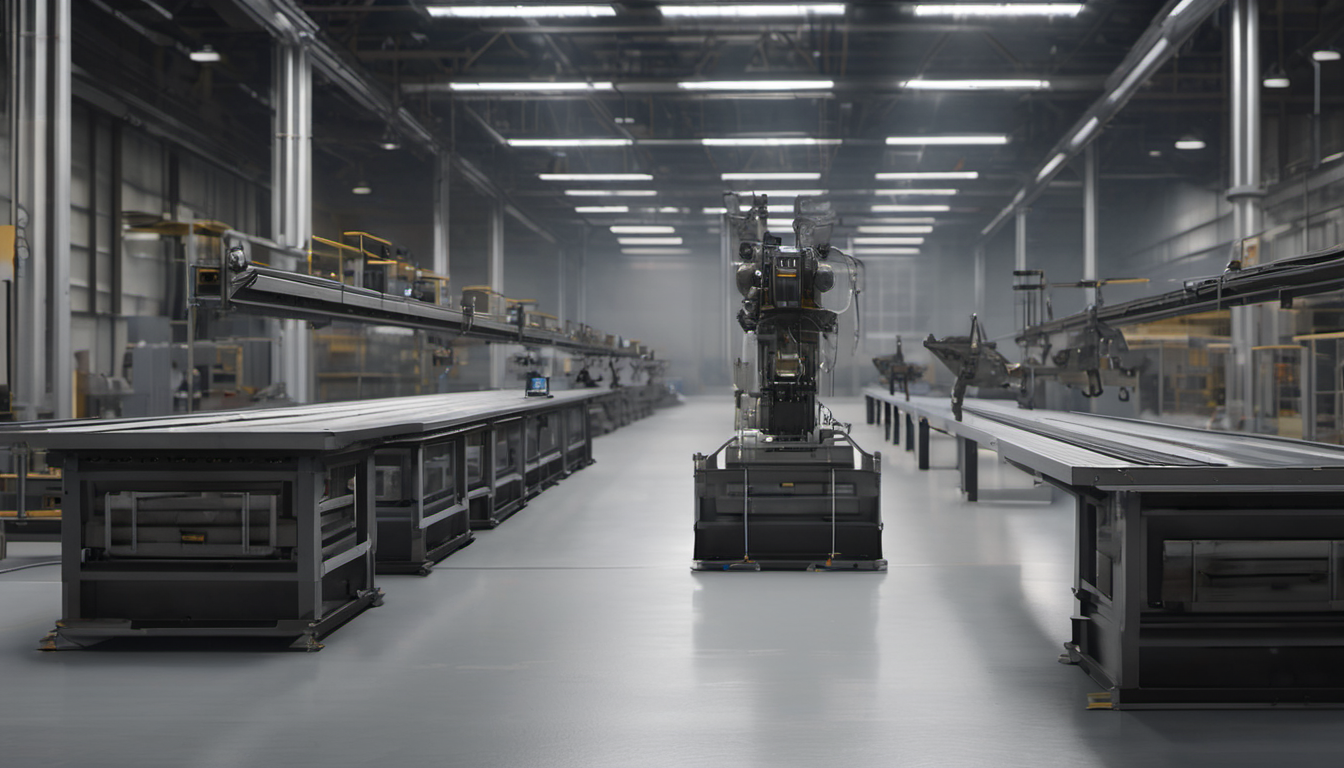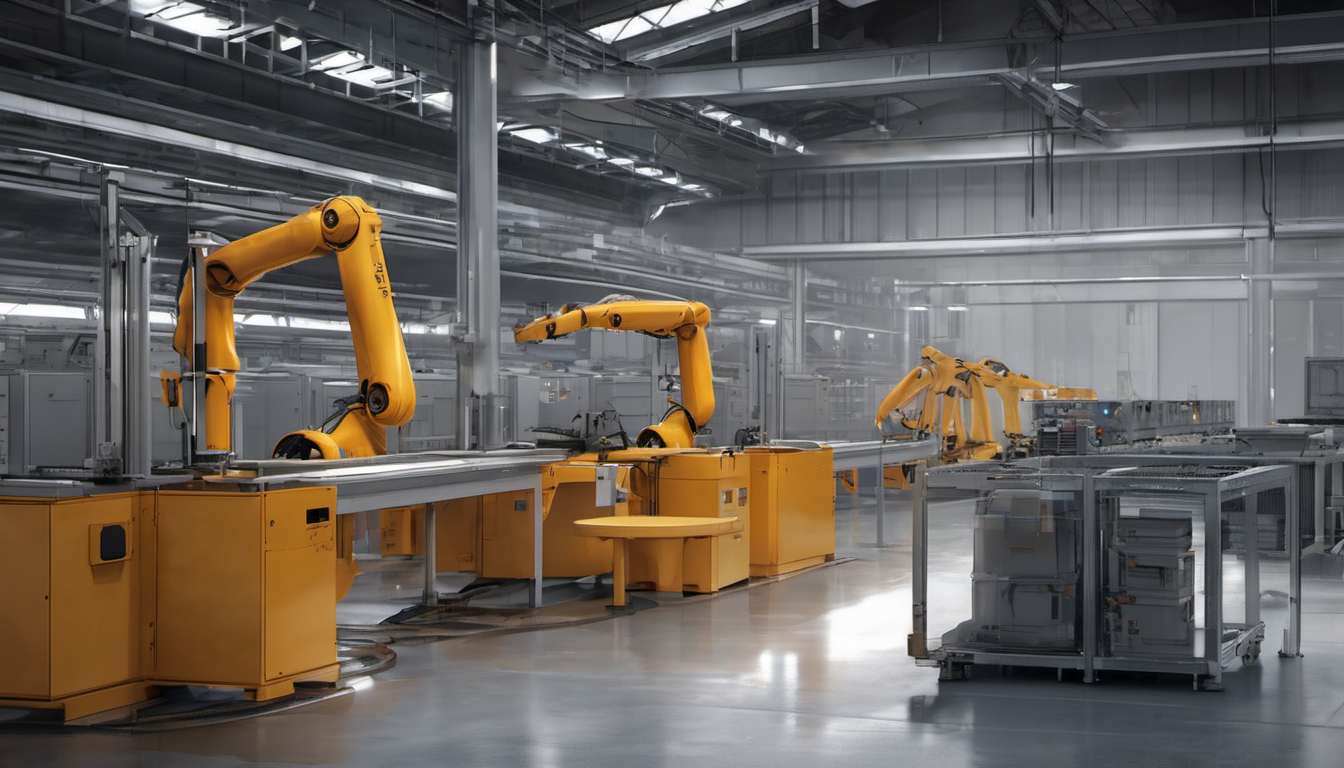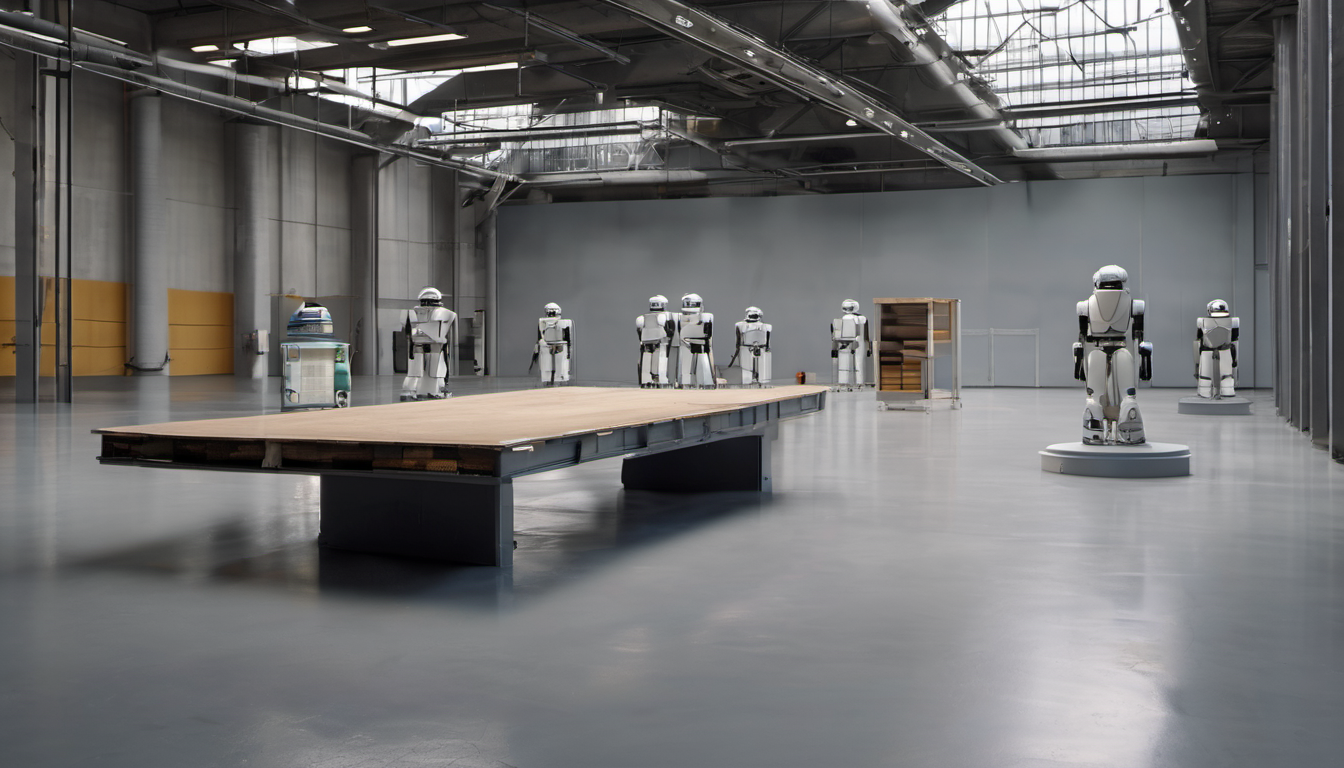
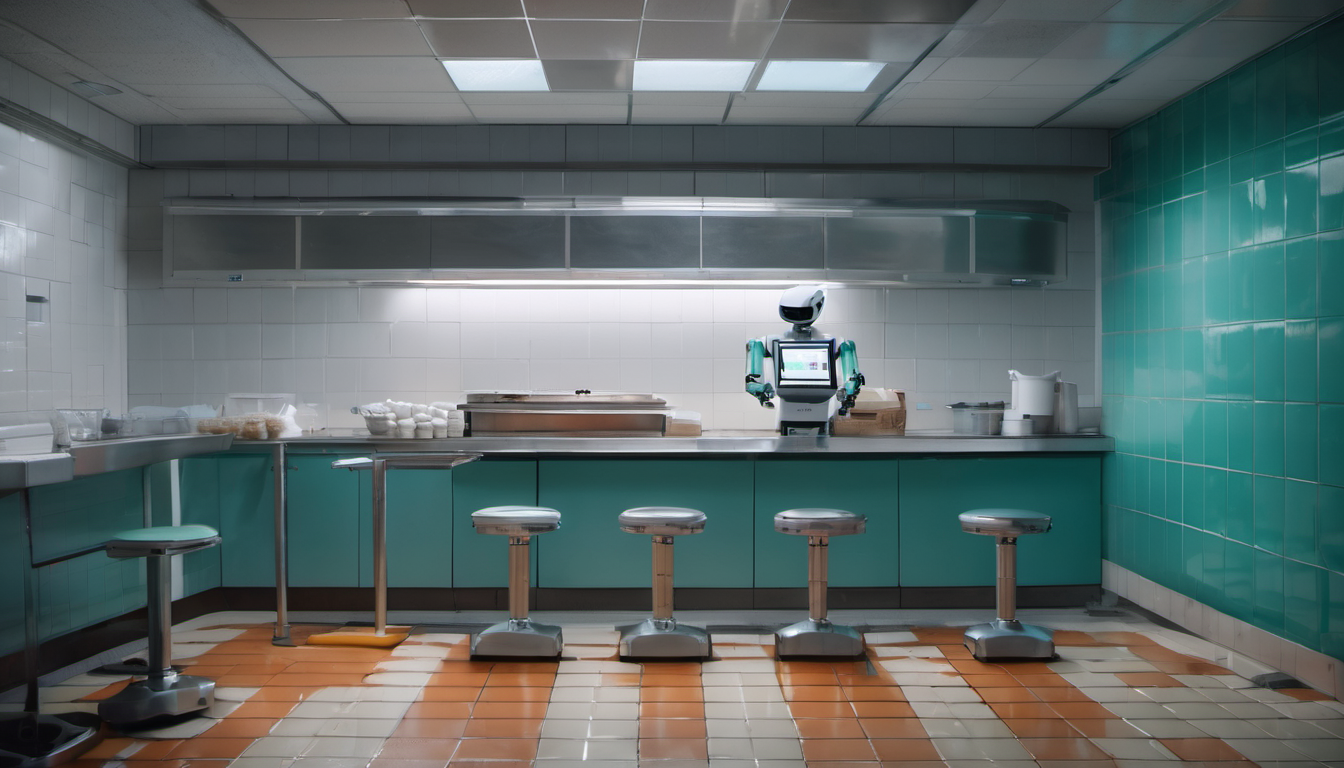
There is a particular kind of job that never seems to have enough people in it: the warehouse pick line, the back-of-house at a quick-service restaurant, the hotel laundry. On July 13, a company called — with admirable directness — Robot.com launched a humanoid it says is built precisely for those roles. It is called R-noid, and the pitch is not subtle. The jobs it targets are the ones, in the company’s own phrasing, that “grind people down.” The subtext is that the people currently doing them keep leaving, and R-noid will not.
The numbers behind the pitch
Robot.com’s case rests on a set of turnover statistics that are genuinely brutal. Quick-service restaurants, it notes, run staff turnover north of 130% a year — meaning the average position turns over more than once every twelve months. Warehouse pickers last, on average, 1.2 years. More than 67% of hotel operators report chronic staffing gaps in housekeeping and laundry. These are not jobs employers are automating to shave wages so much as jobs they cannot keep filled at any wage. “R-noid never resigns,” the company says, and as a line aimed at an operations director staring at a 130% turnover figure, it lands.
The product is offered as Robot-as-a-Service: you do not buy the robot, you rent the labor. Robot.com claims it can go from a first site visit to an autonomous R-noid working the floor in eight to twelve weeks. Co-founder David Rodriguez put the differentiator bluntly — “our answer to ‘how long will this take?’ is weeks, not years.” Whether that survives contact with a real facility is the open question with every humanoid launch, but the framing tells you what the company thinks its buyers actually care about: not raw capability, but time-to-deployment.
What it can actually do
At launch, R-noid ships with 19 deployable tasks across five categories — restaurant assistant, packer, picker, folder, and host. The body is unglamorous but sensible: dual 7-degree-of-freedom arms, a 4-DoF torso giving it a 0-to-1.9-meter vertical reach, and a wheeled holonomic base rather than legs, because a base that can slide sideways in a cramped kitchen beats a bipedal gait that might topple into the fryer.
The interesting part is the brain. R-noid runs Physical Intelligence’s π0.7, a vision-language-action model built for general manipulation: it reads a plain-language instruction, looks at the scene, and generates the movements to carry out the task, adjusting as objects and layout change. One model spans packing, picking, and folding, so adding a job is meant to be a software extension rather than a new machine. Autonomy and safety come from FieldAI’s foundation models, and perception and control run on Nvidia Jetson hardware on-device. It is, in other words, a stack assembled from the current top shelf of robotics vendors rather than one company’s in-house moonshot — which is either reassuring or a reminder that no single player has this solved end-to-end.
There are already lighthouse deployments: the R-noid Packer is reportedly live at a golf course handling on-site order packing, and moving toward production at a food-manufacturing facility. Small, contained, real — which is the honest scale of humanoid deployment in 2026, whatever the launch reel implies.
The part worth reading twice
CEO Felipe Chavez Cortes offered the reassuring version: “The future of work isn’t fewer people. It’s people freed from the parts of the job that grind them down.” It is a nice line, and it may even be true for the specific roles he is naming — nobody’s life ambition is folding towels on the graveyard shift.
But read it against the company’s own evidence and the edges show. The reason these jobs go unfilled is not only that they are unpleasant; it is that they are low-paid, and for a lot of workers “unpleasant and low-paid” is still the rung they are standing on. A robot that “never resigns” does not just relieve a burned-out worker — it removes the employer’s incentive to make the job livable enough that a human would stay. The 130% turnover figure is being sold as a problem the robot solves. It is equally a description of a job market where the bottom rung was already crumbling, and R-noid is a bet that the rung can be priced out entirely.
The demo is small and the tasks are narrow. But the strategy is clear, and it is not really “fewer people, doing more of what they’re good at.” It is a rental humanoid aimed straight at the jobs that were most expendable to begin with — and it starts, as these things do, with the shifts nobody wanted anyway.