Most humanoid robot launches sell you a spec sheet: degrees of freedom, payload, hours of autonomy, a video of the thing folding a shirt to a soundtrack. On July 13, Robot.com launched R-noid and led with a different number — a human one.
Quick-service restaurants, the company notes, run staff turnover upwards of 130%. Warehouse picker tenure averages 1.2 years. More than 67% of hotel operators report chronic staffing gaps in housekeeping and laundry. Then the line that is the entire product: “R-noid never resigns.”
That is a sharper piece of positioning than anything in the spec sheet, and it’s worth taking seriously, because it tells you exactly which jobs are in the crosshairs.
Not the jobs you’d guess
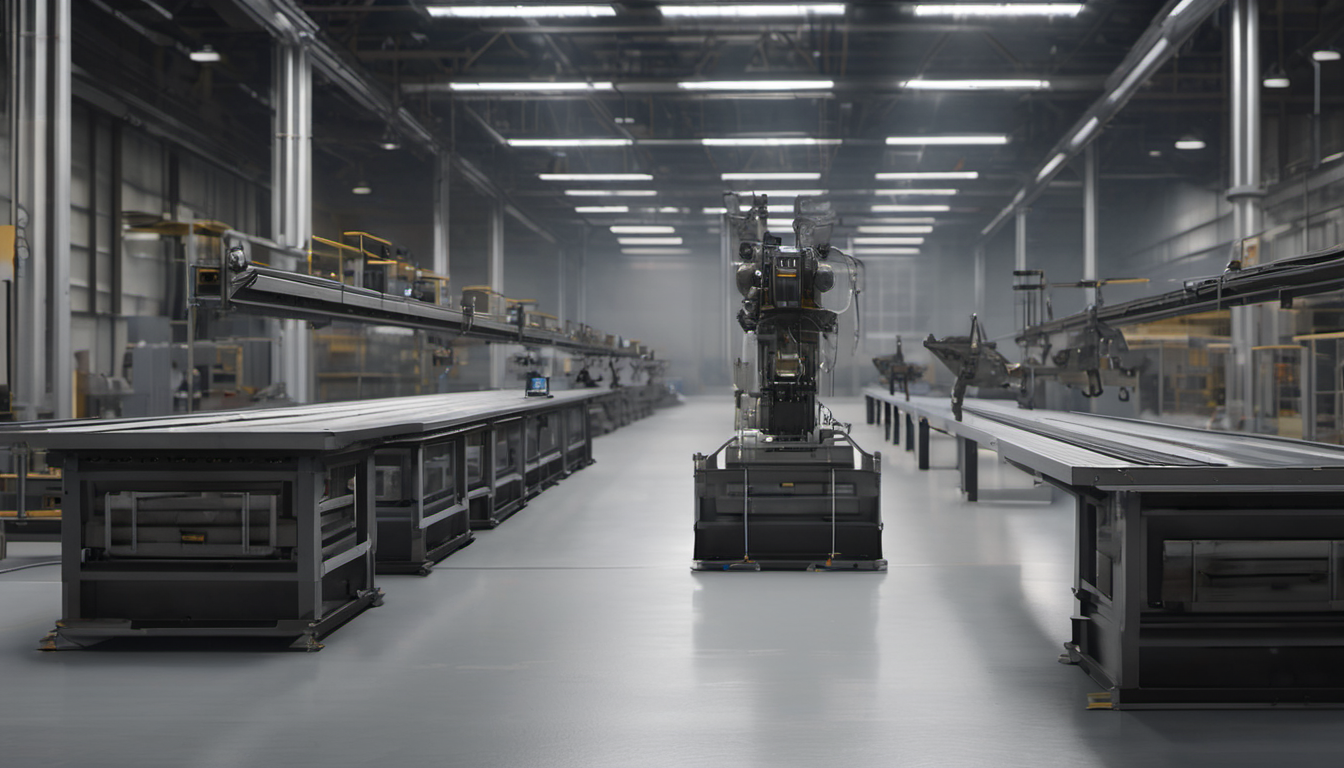
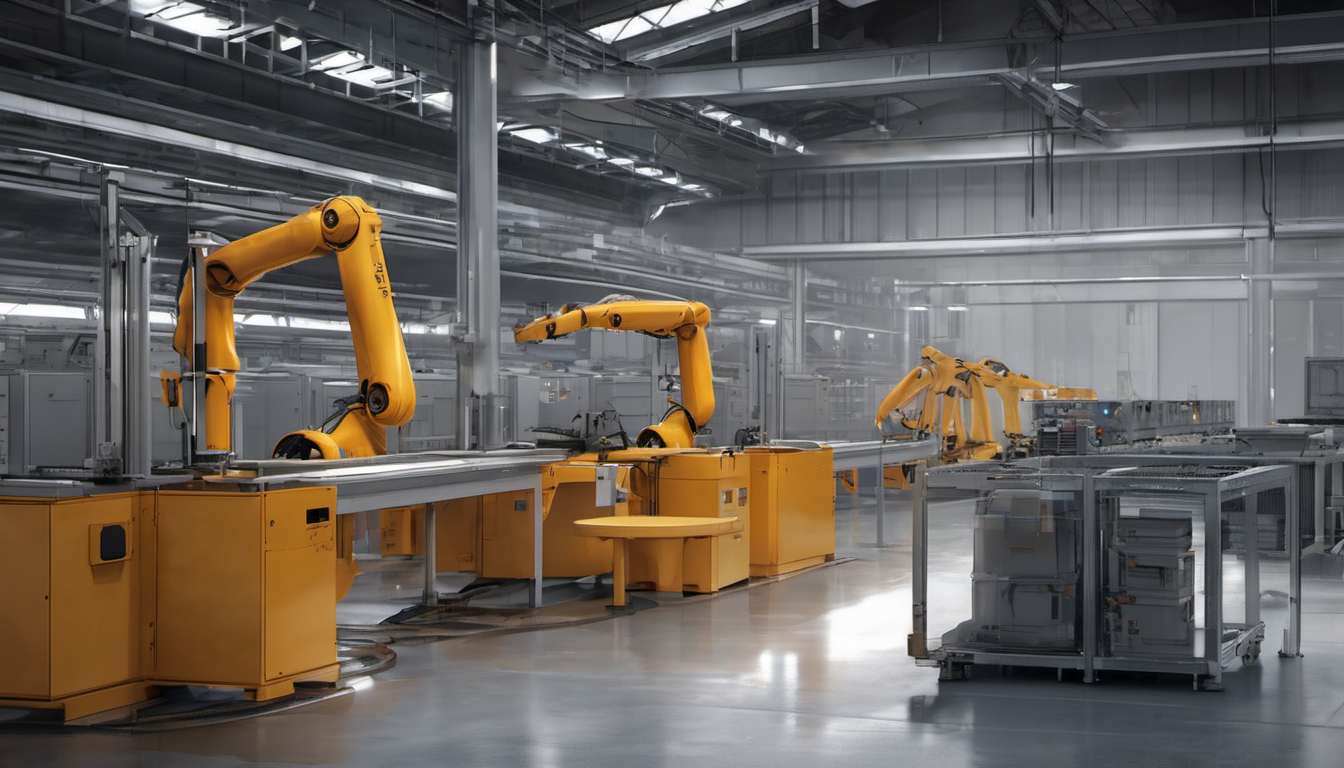
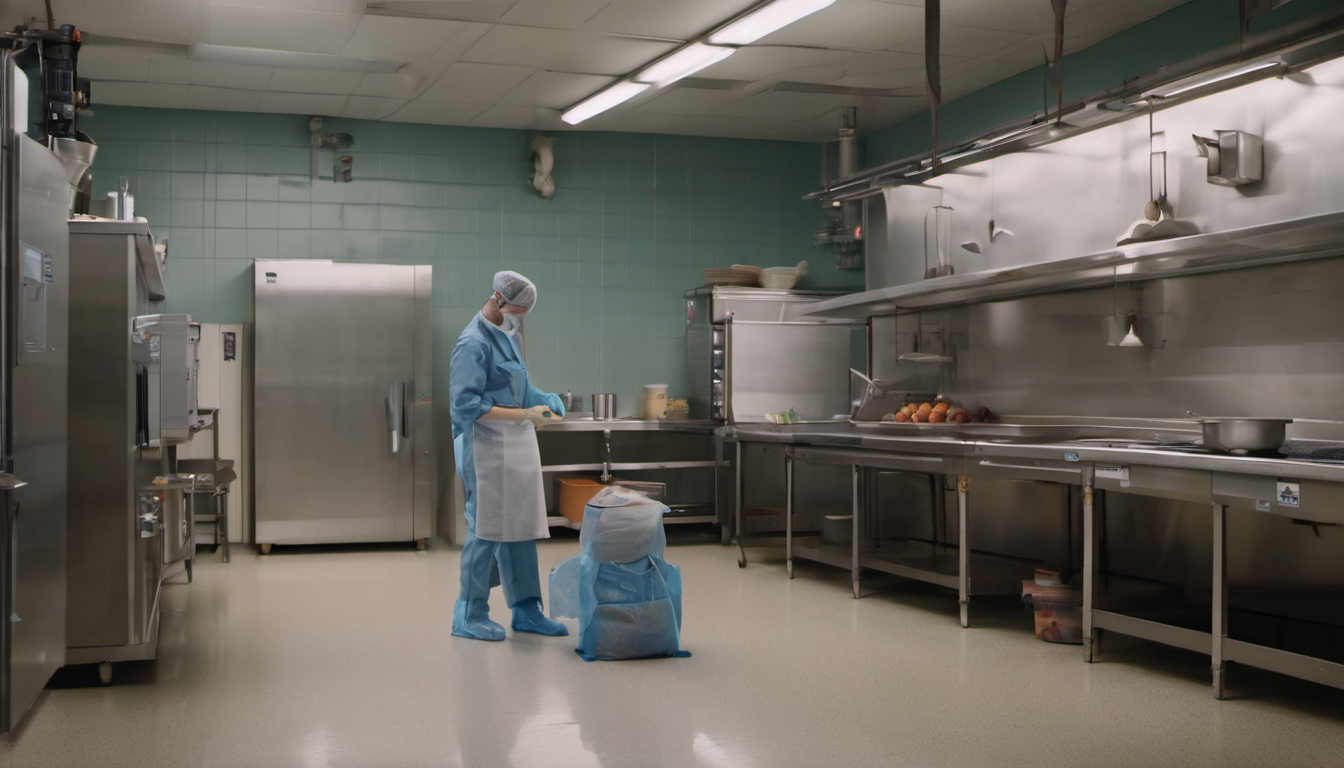
The humanoid hype cycle usually points at factories — Tesla on the Fremont line, Figure at BMW. R-noid is aimed somewhere less photogenic: the back of the restaurant, the pick port, the hotel laundry. Robot.com launched with five job categories — restaurant assistant, packer, picker, folder, and host — across six verticals including food service, lodging, healthcare and logistics. Nineteen deployable tasks at launch.
These are not high-status roles. They’re the roles that, per the company’s own framing, “don’t stay filled.” And that’s the tell. Robot.com isn’t pitching R-noid against a skilled worker who’s hard to replace. It’s pitching it against the vacancy — the shift nobody wants, the req that’s been open for four months, the 1.2-year picker who’s already halfway out the door.
Which is a cleaner sell than replacing someone good at their job. You’re not firing Dave. You’re filling the hole Dave left when he quit, and the hole the last three Daves left. CEO Felipe Chavez Cortes put the humane gloss on it: “The future of work isn’t fewer people. It’s people freed from the parts of the job that grind them down.” Maybe. It’s also fewer people. Both things fit in the same sentence, and the company only said one of them out loud.
The actually new part is the speed
The hardware is real enough — dual 7-degree-of-freedom arms, a torso that reaches from the floor to 1.9 metres, a wheeled base for tight rooms, autonomy from FieldAI, manipulation from Physical Intelligence’s π0.7 model running on Nvidia Jetson. Fine. Everyone has a hardware paragraph.
The number that should get your attention is the deployment timeline: from first site visit to an autonomous robot working on your floor in eight to twelve weeks, under a Robot-as-a-Service contract. Co-founder David Rodriguez: “Our answer to ‘how long will this take?’ is weeks, not years. No other humanoid platform can make that claim.”
Rent, not buy, matters more than it sounds. A capital purchase of a humanoid is a board decision — six figures, depreciation, a risk committee. A monthly service contract that starts in eight weeks is an operations decision, signed off by the same regional manager who currently approves a staffing-agency invoice. That’s the threshold that turns “someday” into “this quarter.” The robot doesn’t have to be cheaper than a human in the abstract. It has to be cheaper than the temp agency and available faster than the next hire washing out.
What “lighthouse deployment” means
Robot.com says early units are already live: an R-noid Packer working at “an award-winning golf course,” another heading into a “major food manufacturing facility.” Read those as pilots — a handful of robots doing narrow, well-lit tasks under close supervision, which is the honest state of every humanoid program on earth right now, including Tesla’s and Figure’s. Nineteen tasks is not a general-purpose worker. A golf-course packer is not a labor market.
But direction beats position. The pitch here isn’t “one robot replaces one worker.” It’s “one rentable platform quietly absorbs the roles you were already struggling to keep filled, on a contract your ops lead can sign, starting next quarter.” If that lands, the displacement won’t announce itself in a layoff filing. It’ll show up as a job posting that just… stops getting reposted.
That’s the version of automation that doesn’t trend. Nobody gets a severance letter. The req simply closes, quietly, and the line about people being “freed from the parts of the job that grind them down” turns out to have been describing the part where they had the job.
Sources: Robotics & Automation News, TechTimes, Robotics 24/7.