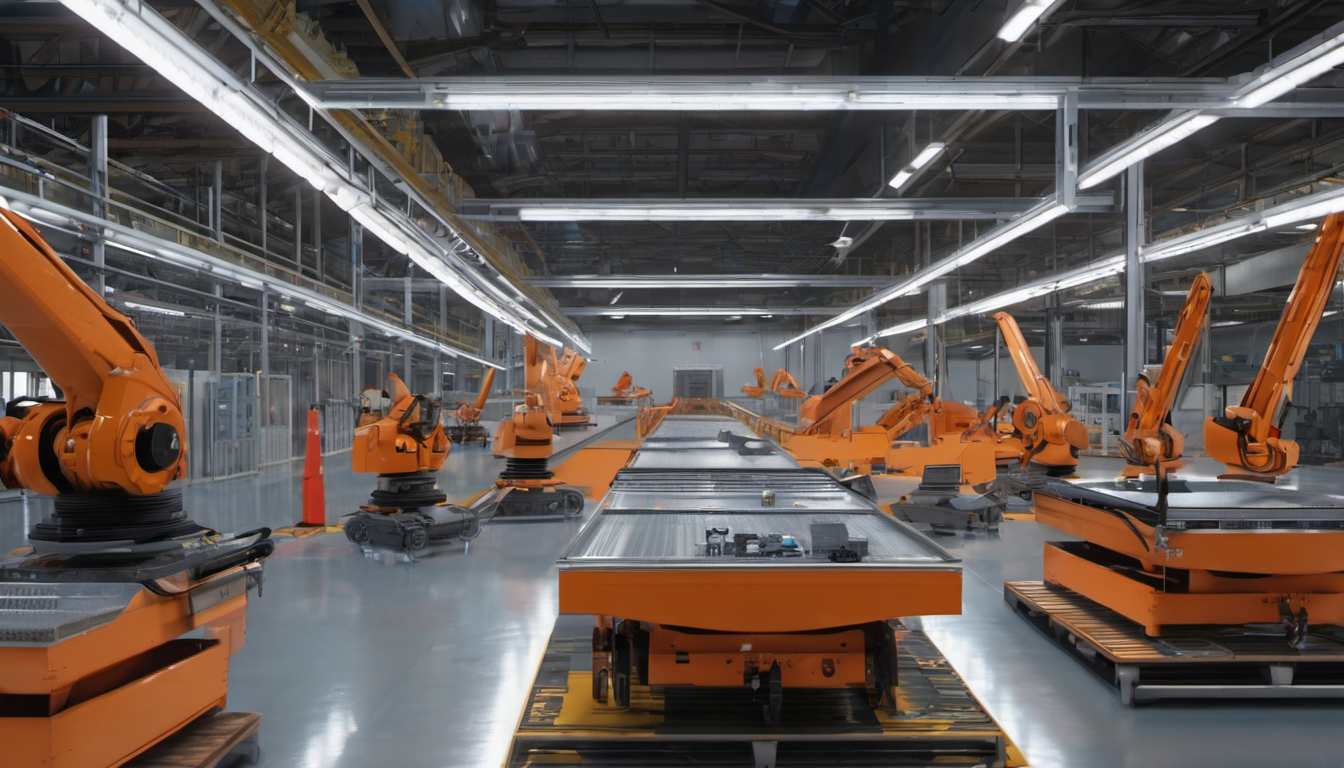
On November 6, Elon Musk put a number on Optimus for the first time: about $30,000 per robot, falling toward $20,000. He also said Tesla will “probably” rent the robots rather than sell them. This is the follow-up to October 21, when Tesla said Optimus had started early production in Fremont and gave no price. The production and delivery timeline is unchanged. What is new is the cost, the productivity claim and the business model.
Musk spoke in a Friday interview at the 33rd Baron Investment Conference. We are relying on Not a Tesla App’s account of it, which embeds the broadcast. We did not find a Tesla or conference transcript, so every figure below is Musk’s statement as reported.
The numbers
Cost first. Musk said an Optimus costs around $30,000 to build today and should move toward $20,000. He described the robot as five times more productive than the average human. He repeated that early production started in October on a line planned for 1M units a year, and that reaching full speed will take at least another year. Delivery to outside customers is still about the end of 2027, now “likely” through rentals, and the AI5 version is due around April 2027.
Two pieces of arithmetic, ours. At 1M units a year, a $30,000 cost is $30B of annual build cost, and $20,000 is $20B. Tesla’s Q3 call put 2026 capital spending near $20B, so the line at full rate would cost roughly a year of today’s capex every year. And if the five-times claim held, $30,000 would work out to $6,000 of build cost per human’s worth of output, before service, power, financing or Tesla’s margin. Neither figure is a price. Musk gave no rental rate.
What is and isn’t new
One caution on the headline. Chinese-language coverage of the interview turned the remark into rent-only. Musk said “probably.” That is a leaning, not a policy, and the original report says Tesla will likely rent.
Production and delivery dates did not move. The October 21 call had already tied outside delivery to roughly the end of 2027, and September 25 coverage found Optimus at hundreds a week with no paid work. Our July 19 piece found the Fremont line had still not started after an earlier start date. The new claims are therefore forward-looking in the same way the old ones were.
The cohort
Set the 1M-unit line against what the industry shipped. IDC put first-half 2026 humanoid shipments at about 25,000 and Frost & Sullivan at 36,000. A single line planned for 1M a year is 28 to 40 times the entire half-year market, our arithmetic. A line plan is not output, and Musk dated full speed a year or more away.
What it means for careers
Renting changes who the buyer is and what the robot competes with. A purchase is a capital decision that goes through engineering and finance. A lease is an operating expense that a plant manager can compare, month by month, against a staffing contract or a wage line. If Tesla prices a rental against the cost of a worker, the first roles in the comparison are the ones Musk’s five-times claim implies: material handling, line feeding, kitting and repetitive assembly.
Timing matters more than the price. Outside rentals begin around the end of 2027 at the earliest, and Musk himself says full speed is a year out. Plant labor in those roles has at least a year before an outside buyer can take delivery and longer before volume. The number that would change that read is a published rental rate, and the second is a weekly output count, which Tesla has still not given.