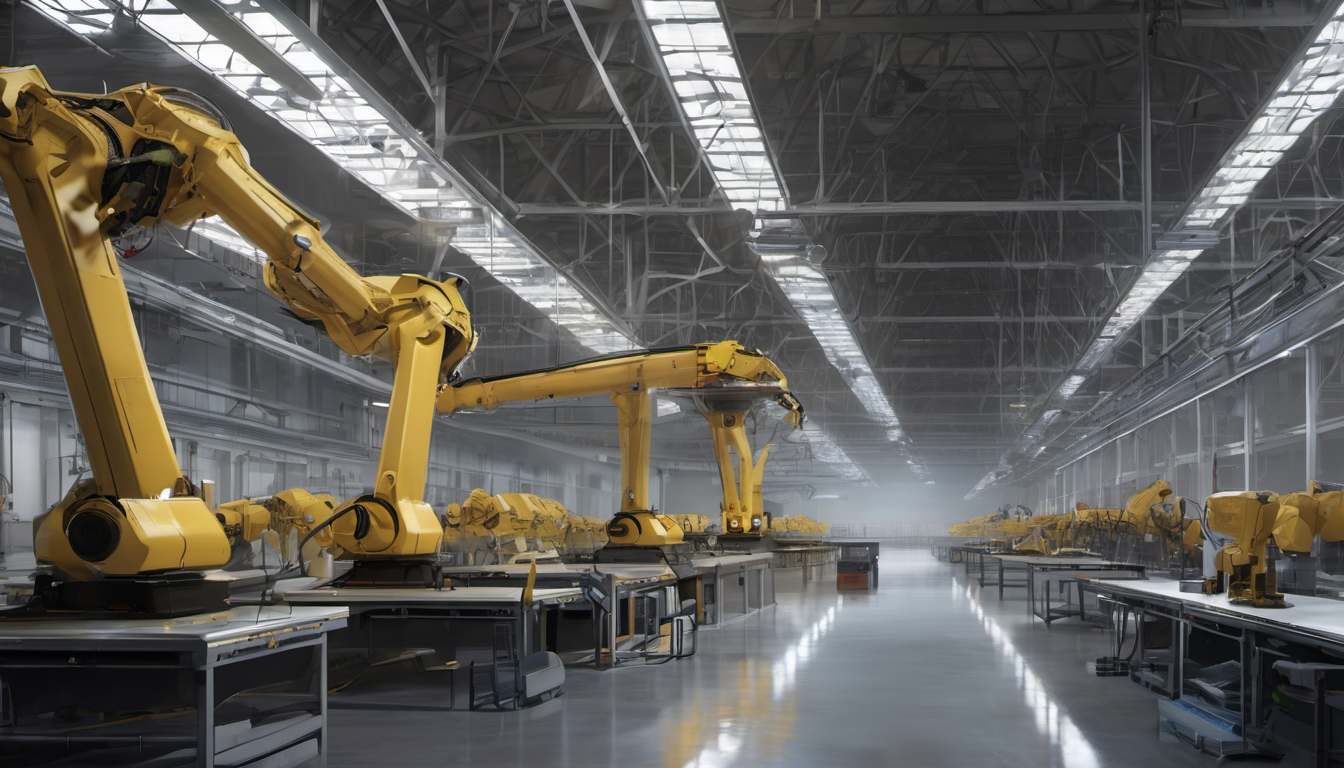
Tesla reported second-quarter earnings on Wednesday, July 22, and for anyone tracking the humanoid-robot story the headline number was the one that didn’t move: verified Optimus production units, still zero. The company told investors it is “installing the first-generation lines for Optimus” and will “start production soon” — the same “soon” that Tesla’s Q1 guidance had pointing to late July or August, now restated on a stage in late July.
We wrote a few days ago that Optimus hadn’t started rolling off any line. The Q2 call didn’t change that. What it added was Tesla, in its own words, walking expectations downhill.
”The hardest product to scale we’ve ever made”
That is a direct quote from Elon Musk on the call: “This is going to be the hardest product to scale manufacturing that we’ve ever made at Tesla, because everything on the robot is new.” Coming from the company that turned car manufacturing into a decade-long saga of “production hell,” that is not a throwaway line. It is a CEO telling you the timeline you had in your head is optimistic.
The reason is physical, not promotional. A humanoid is roughly 10,000 entirely new components with almost no mature supply chain behind them — no existing vendor base cranking out robot-grade actuators and hands at automotive volume. You don’t scale that by wanting it badly. You scale it by building an industry that doesn’t exist yet, part by part.
The first robots aren’t for sale
Here is the detail that should reset expectations most. Tesla said the initial Optimus units coming off those first-generation lines will be used for “training data collection and further functionality development” — not shipped to customers, not deployed into paying work. The first robots exist to teach the next robots. That is a reasonable engineering choice. It is also a long way from “a humanoid in every factory this year,” and it means the first meaningful commercial deployments are further out than the demo reels suggest.
Meanwhile the money is very real. Musk confirmed this is a roughly $25 billion capex year and said Tesla will “announce a location for its Terafab” — the next big AI-and-robot manufacturing hub — soon. Supply-chain sources still peg a year-end target near 2,500 units a week. Set that against a current production count of zero and the gap between the spreadsheet and the shop floor is the whole story.
The LostJobs read
None of this means Optimus is vaporware. Tesla is clearly spending like it intends to build a lot of robots. But if you’re a warehouse worker, a line operator, or anyone whose job keeps getting described as “the kind of thing a humanoid will do,” the Q2 call is a useful reality check on the clock. The company most aggressive about putting a general-purpose robot into human jobs just told its own investors the hard part hasn’t started, the first units won’t do real work, and the manufacturing challenge is the biggest it has ever taken on.
The displacement is coming in areas where the economics already work — narrow, bolted-down automation and the handful of humanoids doing documented, repetitive tasks at named sites. A walking, general-purpose robot cheap and reliable enough to make your job a rounding error is still a manufacturing problem Tesla itself calls unsolved. Plan around the automation that’s shipping. Don’t reorganize your career around the robot that isn’t off the line yet.