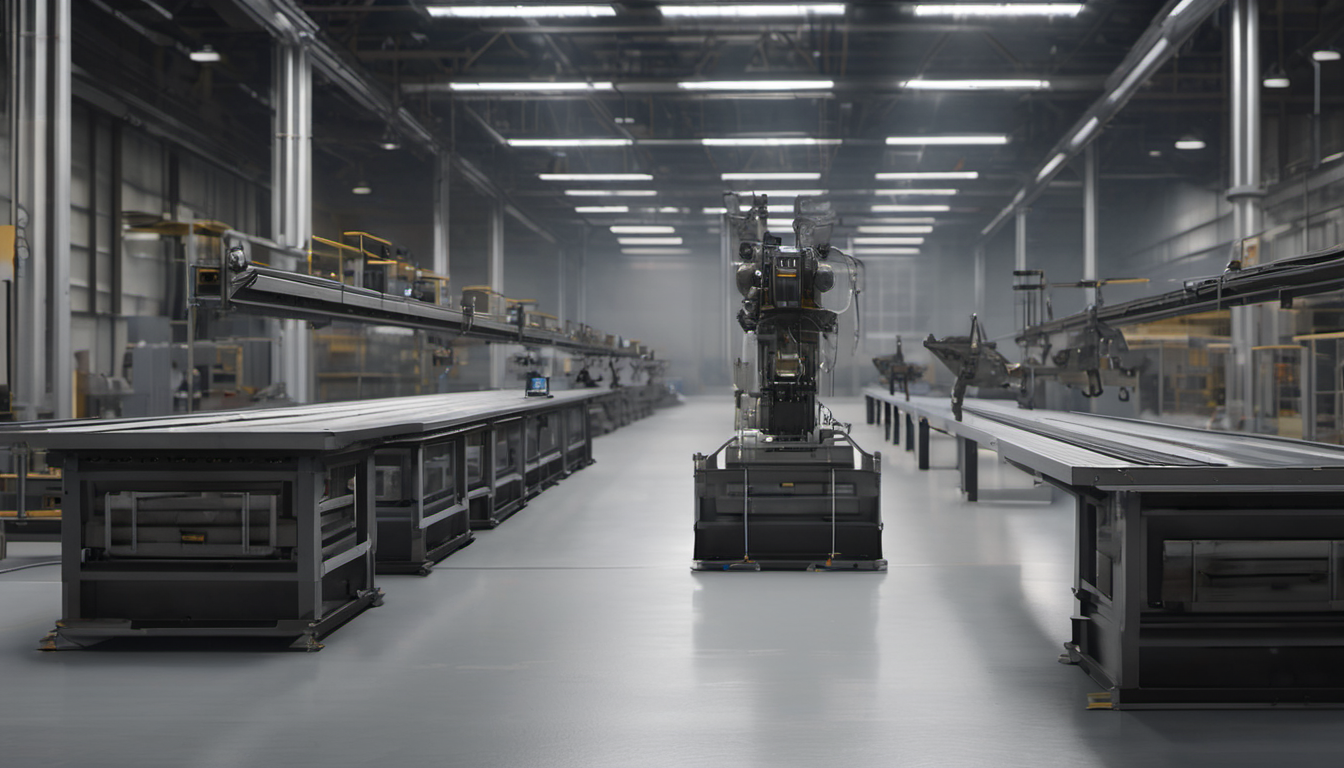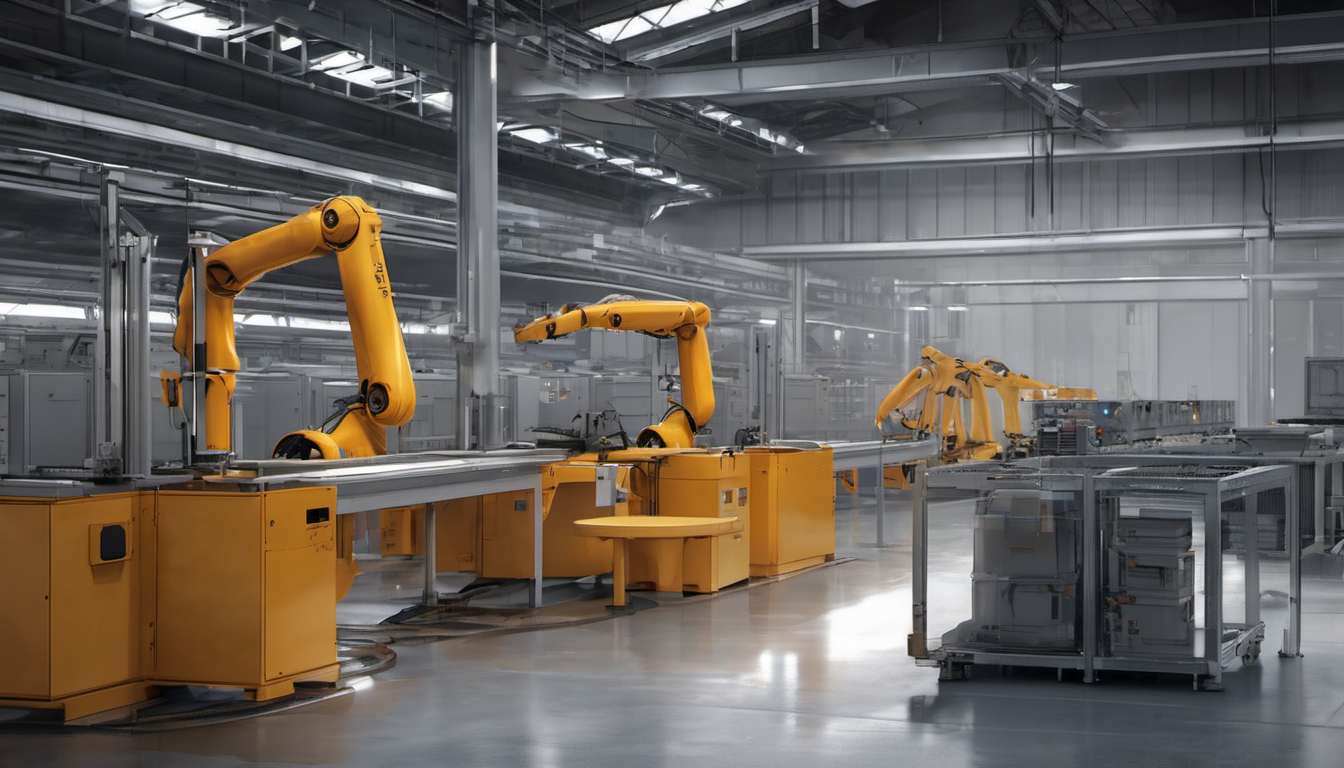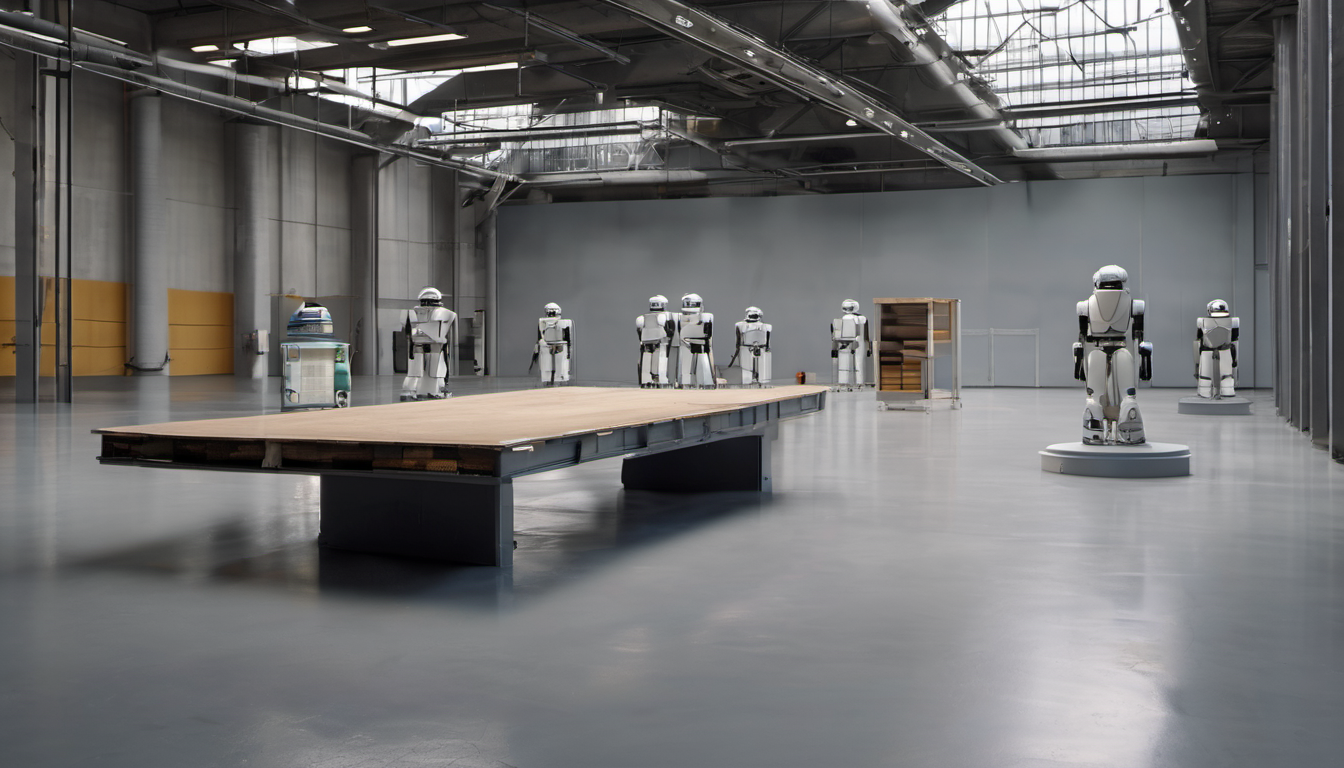
In a mocked-up restaurant in Beijing, a humanoid robot picked up a snack with tongs, put it in a microwave, turned the timer dial, and moved to the next order. Judges scored it. Xinhua ran the scene on August 23, the second day of the second World Humanoid Robot Games.
The games opened Saturday night at the National Speed Skating Oval and run through Wednesday. 666 teams, 2,056 robots, 16 countries and regions. Team entries quadrupled from last year’s first edition. Events went from 26 to 51, matches from 487 to 1,301.
The number that matters is 21. That is how many scenario contests the organizers added.
What a 300-point rubric buys
The household event ran for the first time, staged at Habit@, a smart apartment in Beijing, with 38 teams. It is scored out of 300 and split three ways: tidying the living room is worth 75, folding clothes in the bedroom 100, washing and hanging laundry across the bathroom and balcony 125.
An unscheduled task cuts across the chores. On a voice prompt the robot must stop, bring in a delivered parcel, and resume what it was doing. Collisions, dropped items and boundary violations all cost points.
The hotel event ran two days earlier inside occupied rooms at the Beijing Continental Grand Hotel. More than 10 teams, 30 minutes each: wheel guest luggage of varying sizes to an assigned room, restock towels, slippers and bottled water, clear the used linen, make the bed. Li Ziye, who runs the event, said finishing inside the time limit earns little on its own. Neatness is marked separately.
A library event ran the same day. Thirty minutes inside a working library to collect returns, shelve them, and correct misplacements. Precision, visual recognition and reasoning, in one task chain.
The restaurant contest shows the resolution the organizers are working at. Robots had to set a microwave timer to five minutes; a deviation over one minute cost points. Spilling too much liquid on a drink delivery also cost points.
There is a dedicated dexterous-hand category with eight micro-manipulation contests: power-tool assembly, picking up beans with tweezers, weighing powder, prying bottle caps, connecting flexible cables. AGILINK, spun out of AgiBot in January, told the Global Times that winning the dexterous-hand event certifies a product has cleared the demonstration-grade threshold for real-world use.
The 0.5 is the whole document
Every scenario event runs in two modes. Fully autonomous scores at a coefficient of 1. Teleoperated scores at 0.5. The household event writes it harder still: if a human intervenes at any point, the entire run settles as remote control.
The track rules carry the same tell in reverse. Every track and competitive event requires full autonomy except the 100-meter and the 400-meter hurdles.
Liu Dingding, a veteran industry analyst, put the coefficient in plain terms: under teleoperation another person is still needed at the deployment stage to operate and assist, which means the robot has in effect lost the value it was supposed to bring.
That is an accounting statement, not a technical one. A robot that needs a teleoperator has not removed a job. It has moved the job from the guest floor to a console. Halving the score is the organizers pricing that difference in public, and they priced it at 2:1.
The 21 scenarios are a job list
Liu Weiliang, deputy head of the Beijing Municipal Bureau of Economy and Information Technology, said the events were designed after organizers surveyed stakeholders in commercial services, landscaping inspection and emergency rescue. The supermarket event copies a night-shift worker’s shift directly: restocking shelves, packing online orders, returning misplaced goods to their spots.
Lay the 21 out and the occupations are specific. Hotel housekeeping and bell staff. Restaurant back-of-house and runners. Supermarket night restock. Library circulation. Domestic help. Landscaping inspection. Emergency response. Repetitive, physically demanding, dirty, dangerous or difficult, which is the organizers’ own screen.
Set that against what factories are willing to hand over. On August 11 we covered three automakers, three humanoids, one job: BMW runs Figure, Hyundai owns Boston Dynamics, Mercedes tests Apptronik, and every one of them assigned kitting first. Manufacturing has converged on a single task. Services just opened 21 at once. The two look opposite and are the same fact from either end. Plants will only release the easiest task on the floor. The games are building an exam hall out of everything services has not released yet.
X-Humanoid’s TianYi 2.0 entered every scenario event. The wheeled machine raises and lowers its torso between 130 and 165 centimeters and runs over two hours on a charge, so one unit reaches both a towel rail and a bedside cabinet. The company put four robots across roughly 40 events.
That torso travel is the most honest spec in the building. The binding constraint in service work is not in the model. It is in the furniture.
When medals become orders
Jiang Guangzhi, who heads the same Beijing bureau, gave the official path: many competition rules are expected to evolve into practical technical standards. Once robots master these last-meter skills, he said, they can turn medals into orders and move from the arena to real workplaces.
Liu Weiliang added the sharper version. Every task completed is a trial run in a real scenario, there is no need to rebuild the testing environment afterward, and performance on the field is itself the evidence of commercial viability.
Wang Xingxing, who founded Unitree, supplied the other half of the answer the same week, and his half points down. Limited generalization is the biggest bottleneck facing the global humanoid industry. In controlled settings, models trained on enough data hit task success rates near 100%. Change the object being handled or the environment around it and success falls off sharply. His bar for a “ChatGPT moment in embodied intelligence”: drop a robot into an unfamiliar environment and have it finish about 80% of everyday tasks from a plain voice or text instruction. Two to three years at the earliest, five to 10 at the latest.
A hotel room is the exam for exactly that bottleneck. Li Ziye listed what an operating building throws at a machine: unstructured space, soft goods that change shape, a loaded trolley that is hard to balance, and a task chain long enough to expose any instability. Zhang Yizhuo, from a joint Renmin University and X-Humanoid team, said it more bluntly. The corridors were narrow, which turned luggage handling into a test of maneuvering in tight space.
What this means for jobs
Three clocks, running at different speeds.
The eight dexterous-hand tasks are the fastest. Power-tool assembly, weighing powder, connecting cable are station-level motions in a highly controlled environment, which is the regime where Wang puts success near 100%. On August 21 we covered China’s 70 embodied-intelligence training grounds, 86% of them aimed at manufacturing. Training grounds exist because these motions have a stable data supply. Repetitive assembly stations feel this first.
Hotel, supermarket and library sit in the middle. Semi-structured: room types are finite, shelves are fixed, books carry call numbers. But objects deform and customers move them. The variable here is not capability. It is when that 0.5 becomes a 1. Until it does, a hotel is buying one machine plus one remote operator, and the math does not close.
Domestic service is the longest. 125 of the 300 household points go to washing and hanging laundry, with a randomly timed parcel interruption on top. Organizers built the hardest case on purpose. Every home is different, which is precisely where generalization is thinnest.
Watch a third category on its own: the teleoperator. The 0.5 coefficient is a price on that role, and the price is negative. The harder the field pushes toward autonomy, the shorter that job’s life. Before it gets there, the hiring demand is real. We wrote the same structure into JD’s 100,000 robot service engineer openings: phase one of a robot rollout hires people to stand around the robots.
The games close Wednesday. The number worth reading then is not the medal table. It is how many scenario runs settled at coefficient 1. That share tracks the job list more closely than any gold medal will.