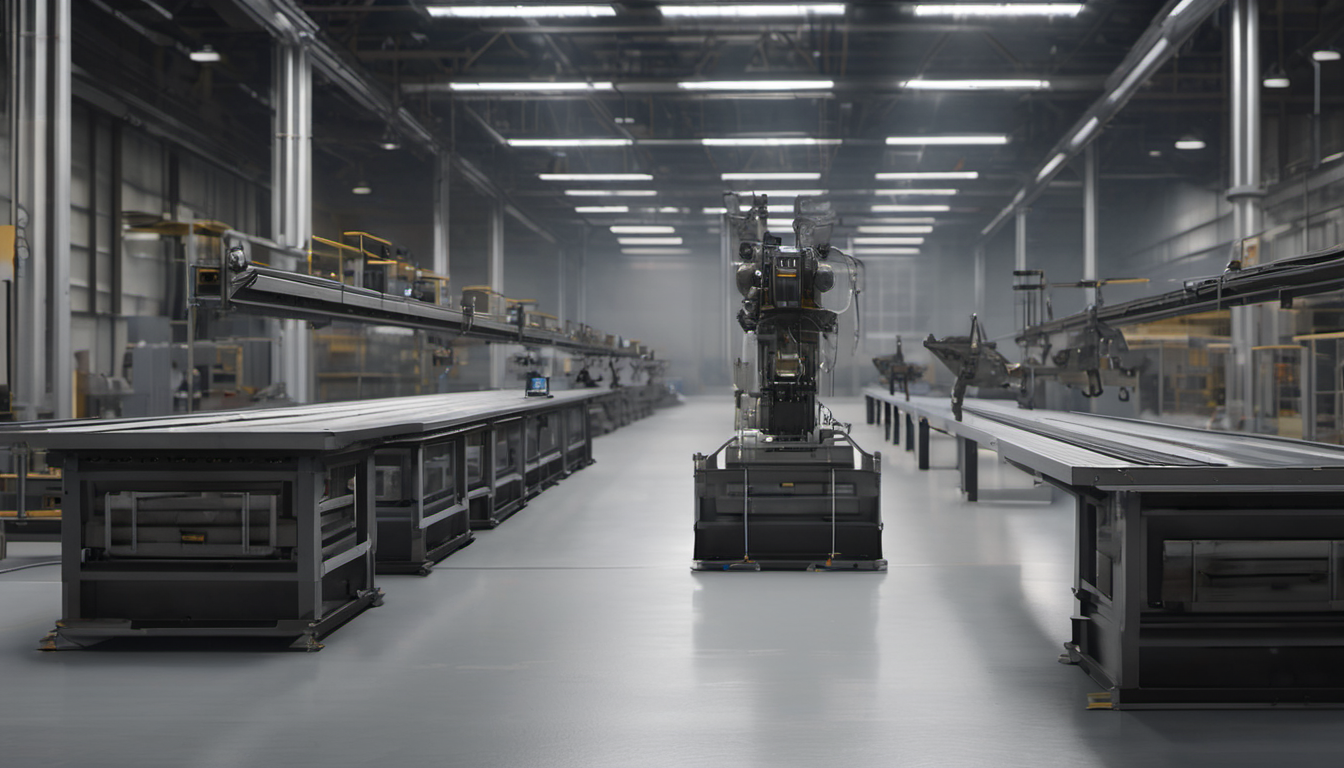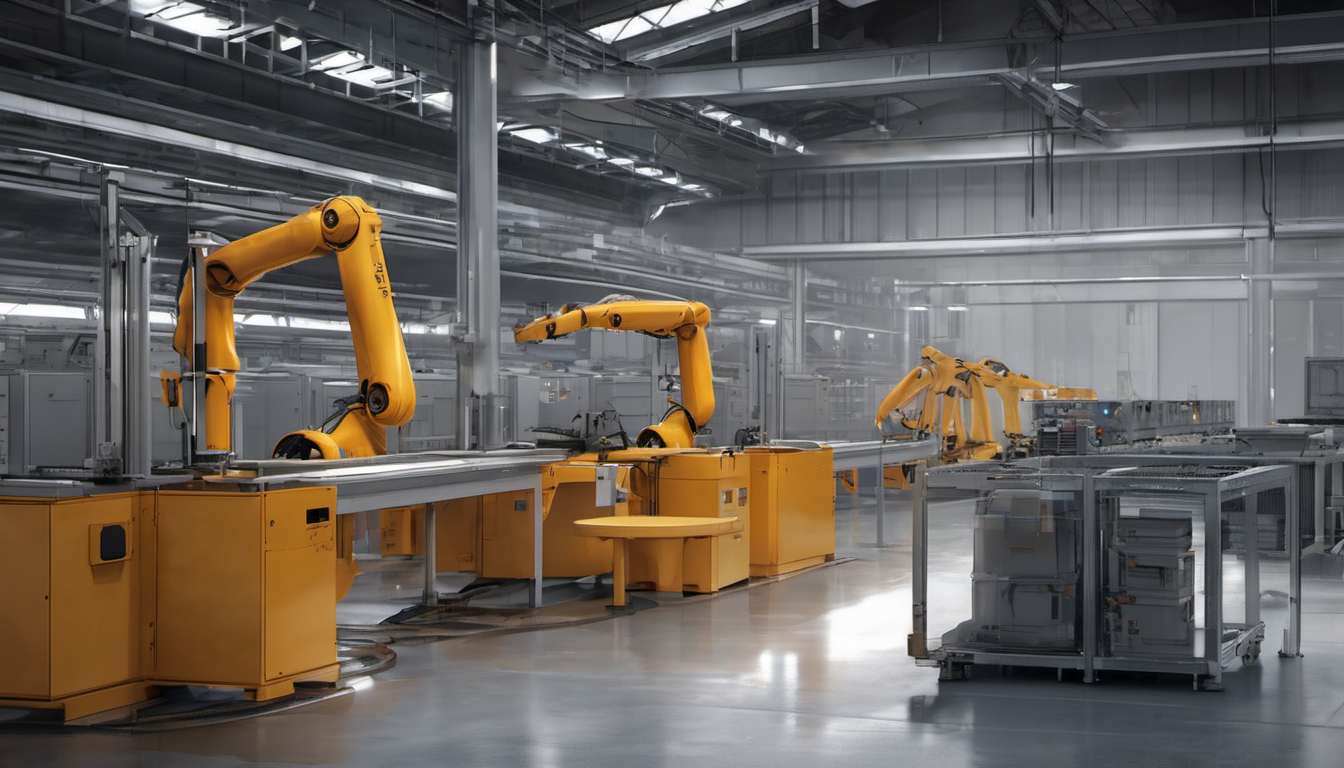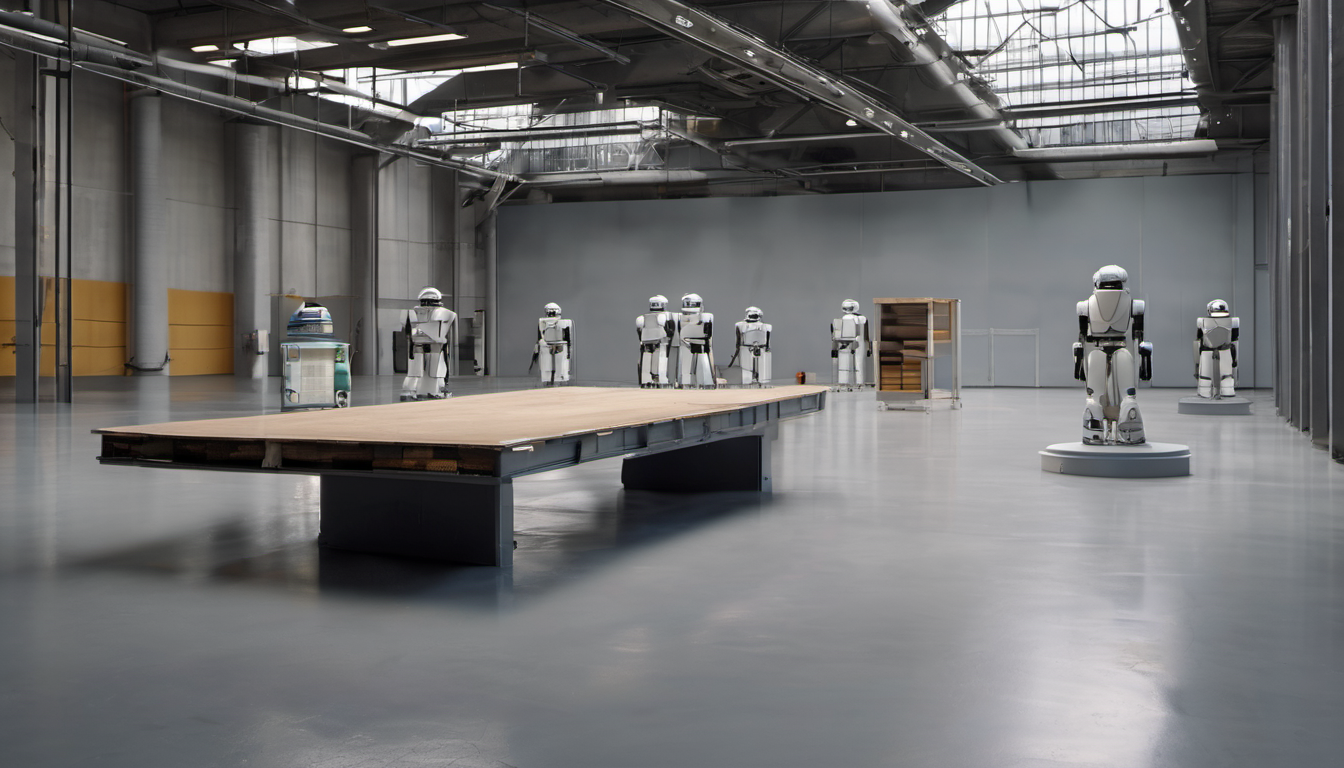

Shanghai-based Agibot announced on March 30 that it had rolled out its 10,000th humanoid robot — a milestone that would be impressive if the production curve weren’t quite so nakedly threatening.
The Numbers Want a Word With You
Agibot took nearly two years to hand-craft its first 1,000 robots. Going from 1,000 to 5,000 took roughly a year. Going from 5,000 to 10,000 took three months. At this point, pretending the line is “flattening” is a character flaw.
The company now claims roughly 39% of the global humanoid market and says its machines are deployed across logistics warehouses, retail stores, hospitality venues, and — the line item we’re all pretending not to notice — industrial production floors in Europe, North America, Japan, Korea, Southeast Asia, and the Middle East.
What Exactly Are They Doing?
According to Agibot, its robots are performing “production line support, manufacturing operations, logistics handling, retail navigation, hospitality services, and education.” Translated out of press-release: moving boxes, staffing kiosks, greeting tourists, and standing in classrooms, presumably saying “please do not poke the robot.”
None of this is theoretical anymore. These are not dancing-onstage robots with an investor deck and a prayer. They are running shifts.
The Vibes Are Weird Now
Three years ago, Boston Dynamics’ Atlas doing a backflip felt like a circus act. This month, Atlas is in production with every 2026 unit already committed to Hyundai and Google DeepMind. Unitree is shipping 10,000–20,000 this year. Bank of America thinks global annual shipments hit 1.2 million by 2030.
Somewhere, a warehouse shift lead is realizing that the guy replacing him doesn’t take breaks, doesn’t unionize, and came out of a shipping crate last Tuesday.
The Bright Side, Please
There is one. The robots still break. Intervention rates in real warehouse deployments remain high enough that operators are finally moving past the “pilot program theater” phase and demanding actual throughput numbers. Reality is a tougher editor than a sizzle reel, and for now, it’s still holding the line.
For now.
Somewhere in Shanghai, Robot #10,001 is being crated. It does not care that you read this article.
Sources: