Most automation contracts disclose a number and a delivery window. Which specific jobs go away is something you generally learn three years later, from an academic paper.
On September 7, Now Robotics — a KOSDAQ-listed industrial robotics firm, ticker 459510 — filed a disclosure that broke the pattern. The company signed a 2.3659 billion won contract, roughly $1.7 million, with VPK to build assembly equipment and supply spare parts for a hybrid-vehicle battery-pack holder line destined for the United States, reported by Korea’s Asia Economy.
Small money. Unusually specific paperwork.
The five steps, named
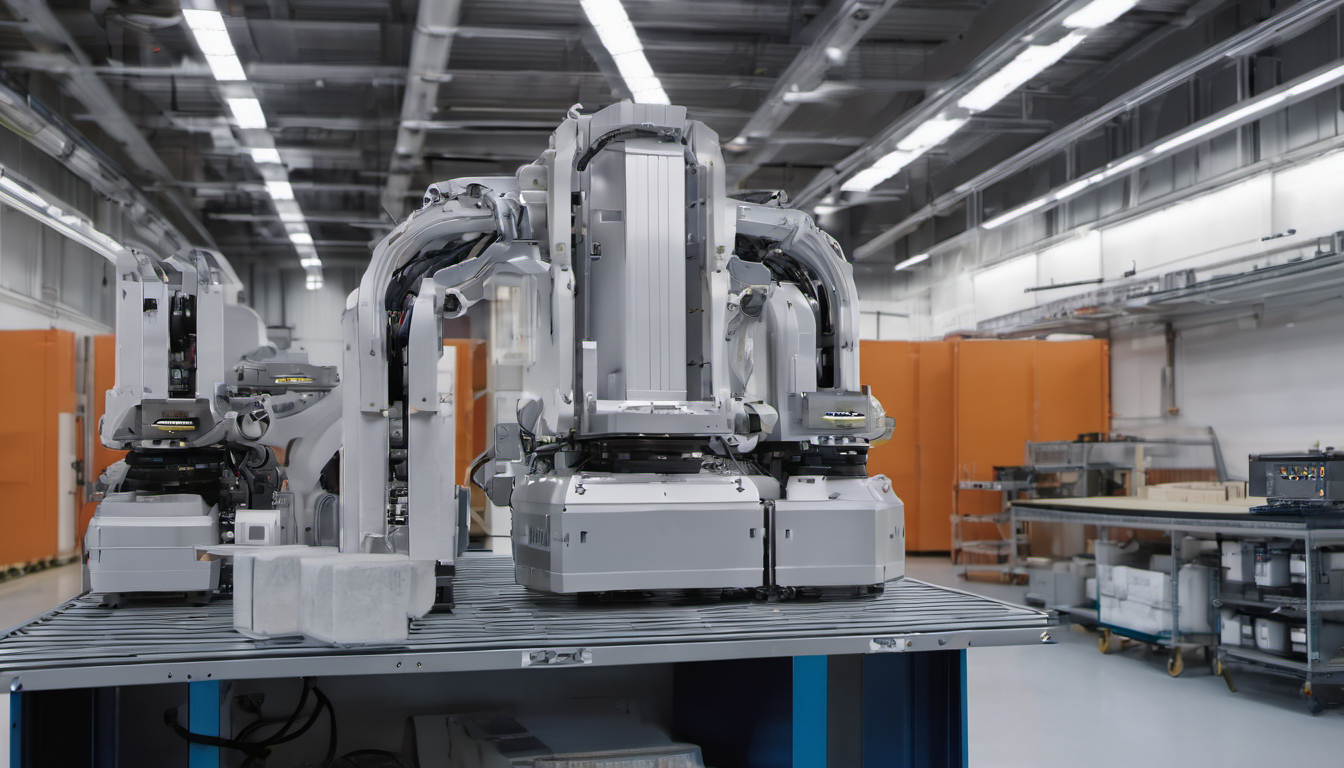
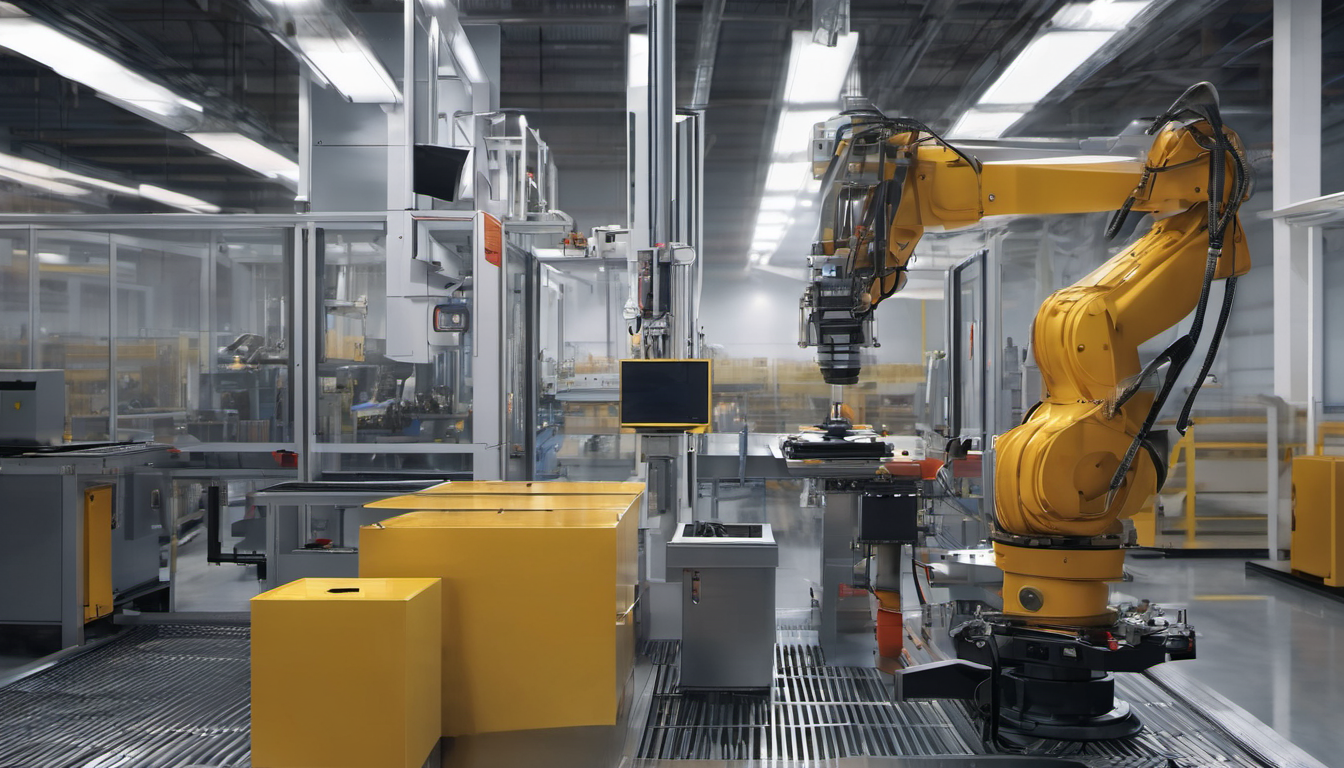
Per the disclosure, the equipment chains the major processes of building a battery-pack holder assembly into a single automated line, in this order.
Busbar auto-feed and assembly. Heat-staking of the holder guide to the busbar. Laser welding of flexible printed circuit board terminals. Insulation, continuity and low-resistance electrical testing. Vision inspection of the welds.
Now Robotics states the purpose flatly: link assembly, welding and inspection so the line cuts both waiting time and manual intervention, while holding quality consistent. The equipment tests electrical characteristics and weld condition automatically and retains production and inspection history so faults can be traced back.
Those five steps map, today, onto different people. Busbar feeding is handling and positioning. Heat-staking and laser welding are machine-operator work. The three electrical tests are an instrumentation tech. And the last one, weld vision inspection, is a QC inspector: someone with a magnifier who calls cold joints and spatter by eye. Chaining them does not make those five people faster. It means the line no longer stops at five points to wait for a person.
A vendor on a run
Now Robotics is not new, but it is growing hard. First-half 2026 consolidated revenue reached 9.183 billion won, up 172.7% from 3.367 billion a year earlier, the company’s best first half on record. This single 2.37 billion won order is worth more than a quarter of that entire half-year.
It has sold into US auto plants before. The company previously signed a 3.7 billion won contract with Korea Fukoku for robotic assembly automation of engine dampers at FKC America’s US facility. Engine part to battery-pack part is the order book following electrification.
CEO Lee Jong-ju described the deal as an automation project linking multiple processes from assembly through welding and inspection. That reads as boilerplate until you put it on a floor, where it means: there used to be people between these steps, and now there is a conveyor.
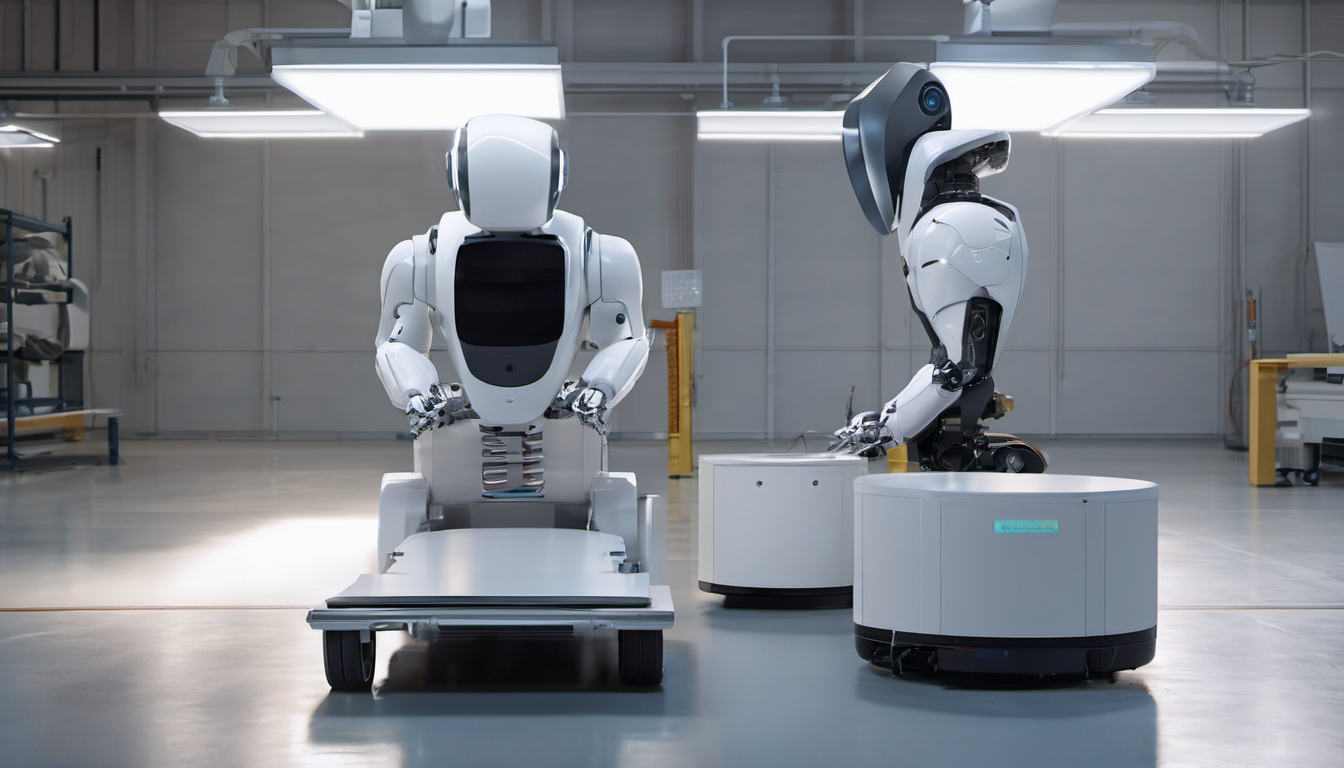
The company has also been selected for a Korean government “Physical AI” pilot and is developing a mobile dual-arm industrial humanoid. That is next. This contract is now.
Two prices, one day
The same day, on the other side of the Pacific, Agility Robotics filed its S-4 and put the first public price on a warehouse humanoid: about $8,500 a month. We ran that math separately.
Set the two disclosures side by side and you get the two ways automation is actually bought.
The humanoid sells general purpose. One machine walks into any building laid out for people and, in theory, takes any job in it. It prices per unit per month, the customer pays a premium for flexibility, and the vendor carries the risk that the machine cannot really do the work.
Now Robotics sells single purpose. $1.7 million, one line, the NQ6a holder and nothing else. No premium, no optionality. But it runs this year, the yield is calculable, the payback is calculable, and the list of processes it absorbs is already an exhibit to the contract.
Two years of public narrative has gone to the first kind. Eleven humanoid brands danced and backflipped on a runway in Berlin last weekend. The thing quietly emptying workstations one square at a time is mostly the second kind. It does not take a stage. It shows up in an exchange filing.
Who is on this line, and when
The line is being built for vehicles sold into the US market. So the final form of these five steps lands in an American plant, designed in Korea, and bought as a piece of capital equipment rather than executed as a layoff.
That distinction matters, because it is why changes like this will never appear in a layoff count. No WARN notice, no press release, no “AI-attributed” checkbox. It is capex. The station disappears in procurement, not in HR. When we covered the ARM Institute’s $90 million, the point was that US manufacturing-modernization money mostly carries workforce clauses. A turnkey line imported from abroad carries none.
The exposure order is legible. First out are the unskilled links: feed, position, transfer. Second are the machine-operator roles, since heat-staking and laser welding were already a person pressing a button while a machine did the work, and this step removes the person pressing the button. Third is the one that stings: weld vision inspection. That is judgment built out of eyes and years, and a camera plus an algorithm now has it. In our Locus piece the 30% left to humans was precisely the share machines could not see well enough. Every advance in machine vision thins that 30%.
One line is easy to skip: the contract includes training for production and maintenance personnel plus startup support. The same document deletes the process steps and trains the survivors. That is not a contradiction, it is the standard configuration of this business. The vendor knows the few people left in that plant have to be able to nurse the equipment, or the line does not run.
So if you work anywhere on the battery-pack chain, the thing to watch is not whether a humanoid walks into your building. It is how many “assembly equipment fabrication” line items procurement approved this quarter, and whether your process is named on the spec sheet.