We wrote in July that Tesla’s Q2 earnings call confirmed Optimus production was still zero. We wrote in September that Tesla had opened a Ningbo audit aimed at moving manufacturing capability to Chinese suppliers, against a 50,000-unit order booked for 2026. Both pieces described a target that kept sliding while the actual count sat at zero. That changed sometime in August.
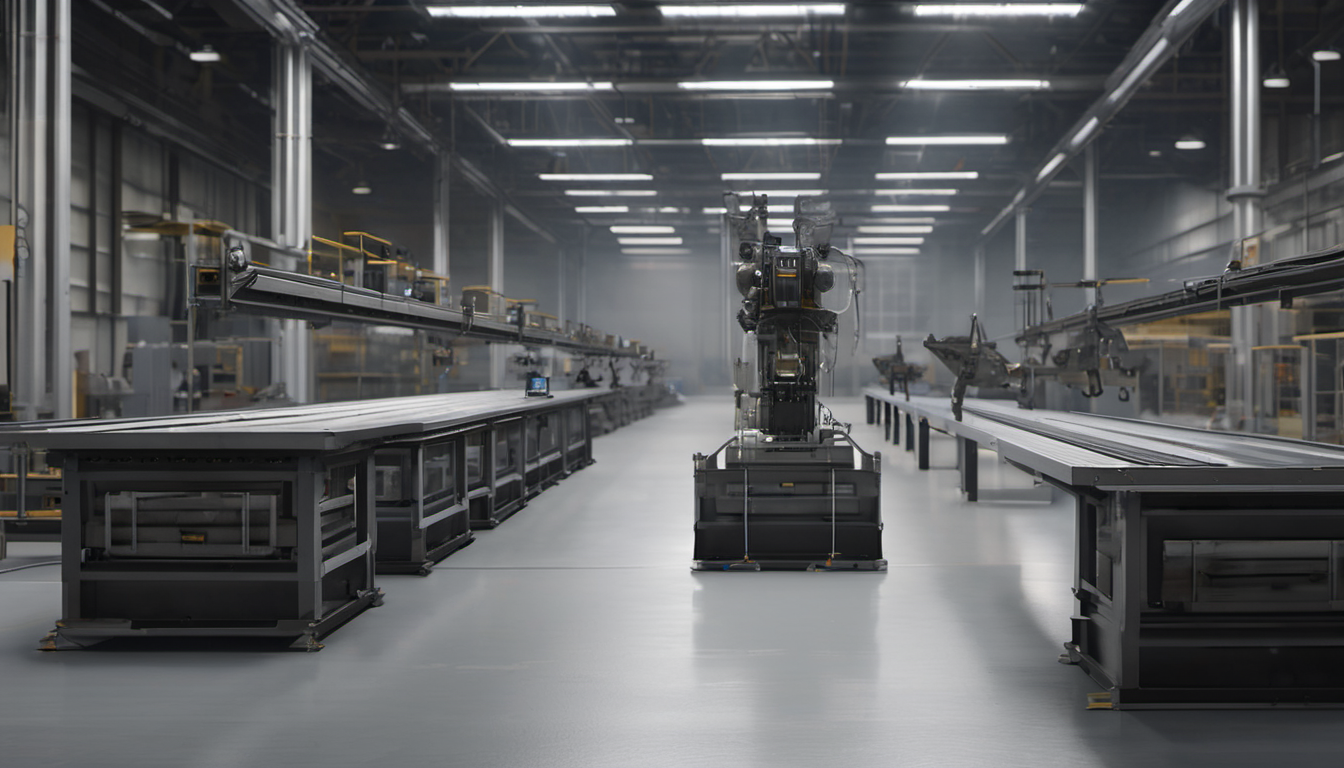
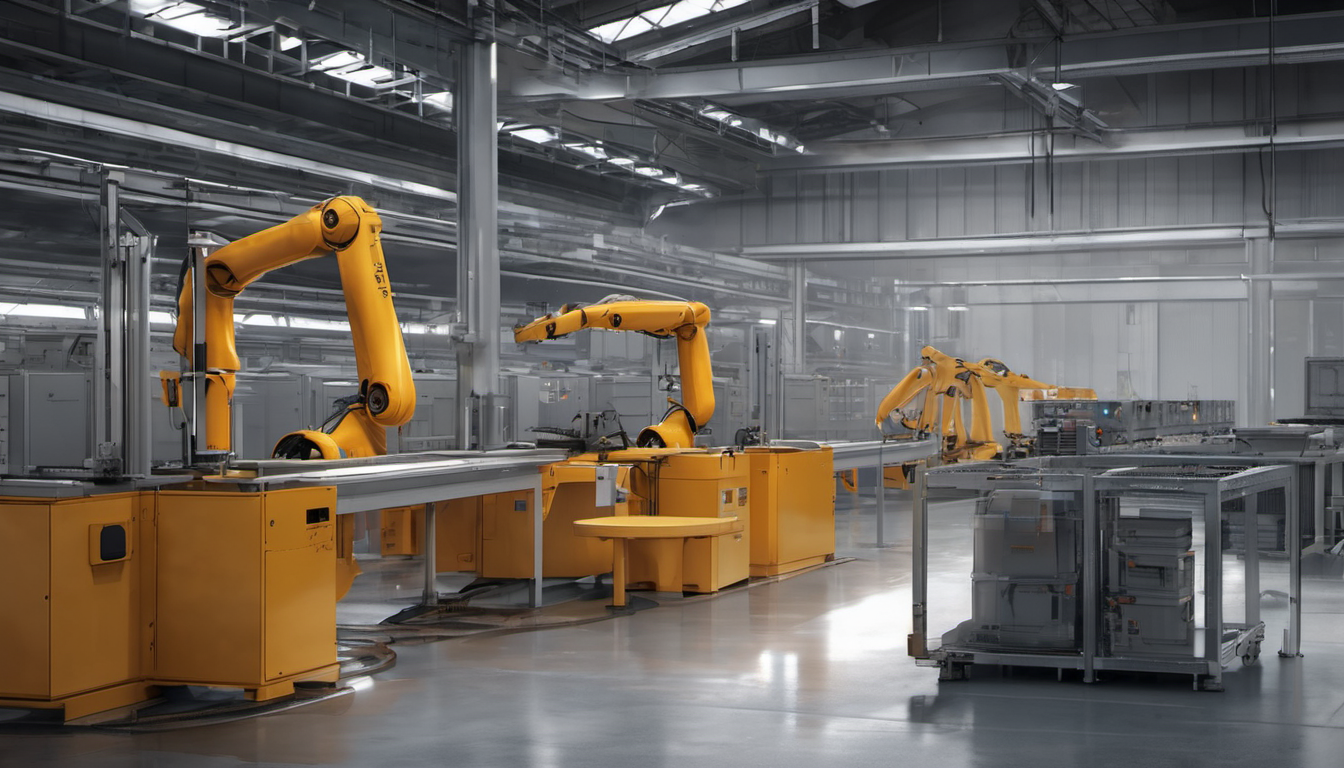
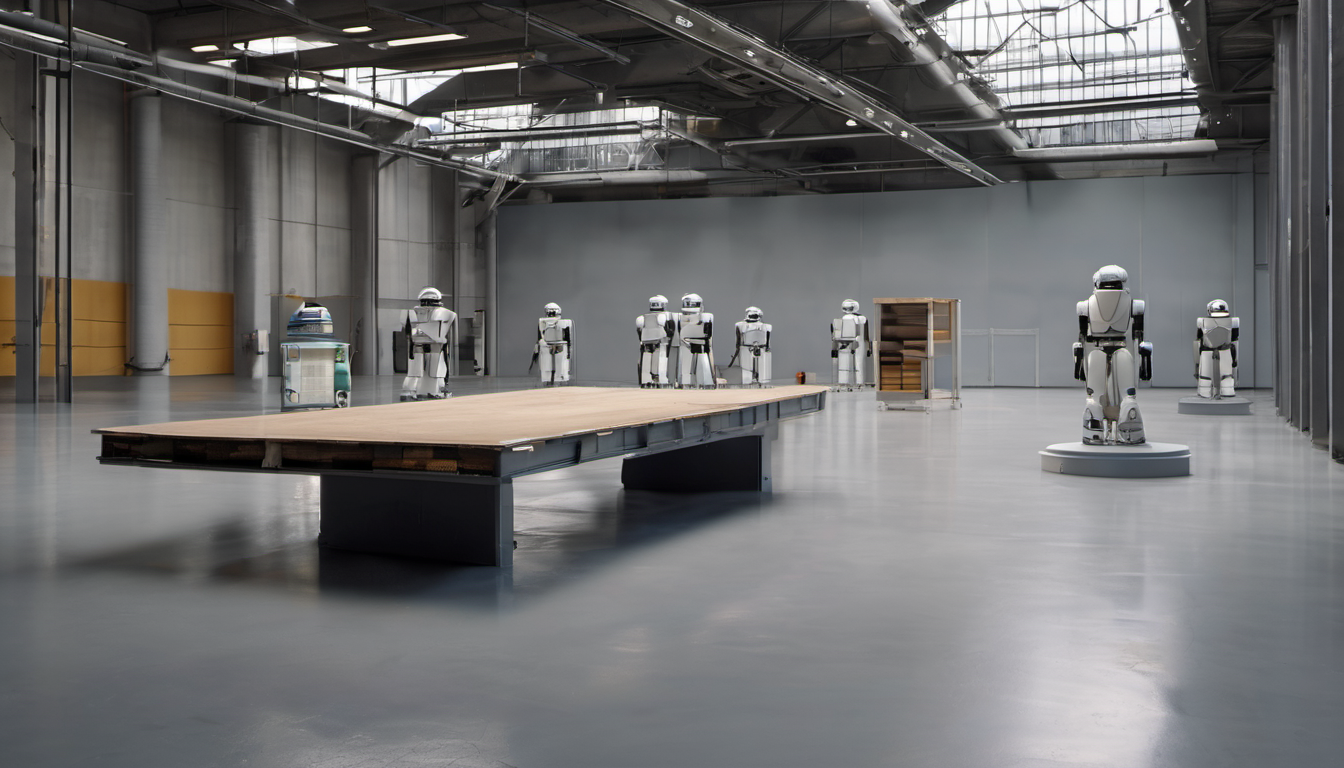
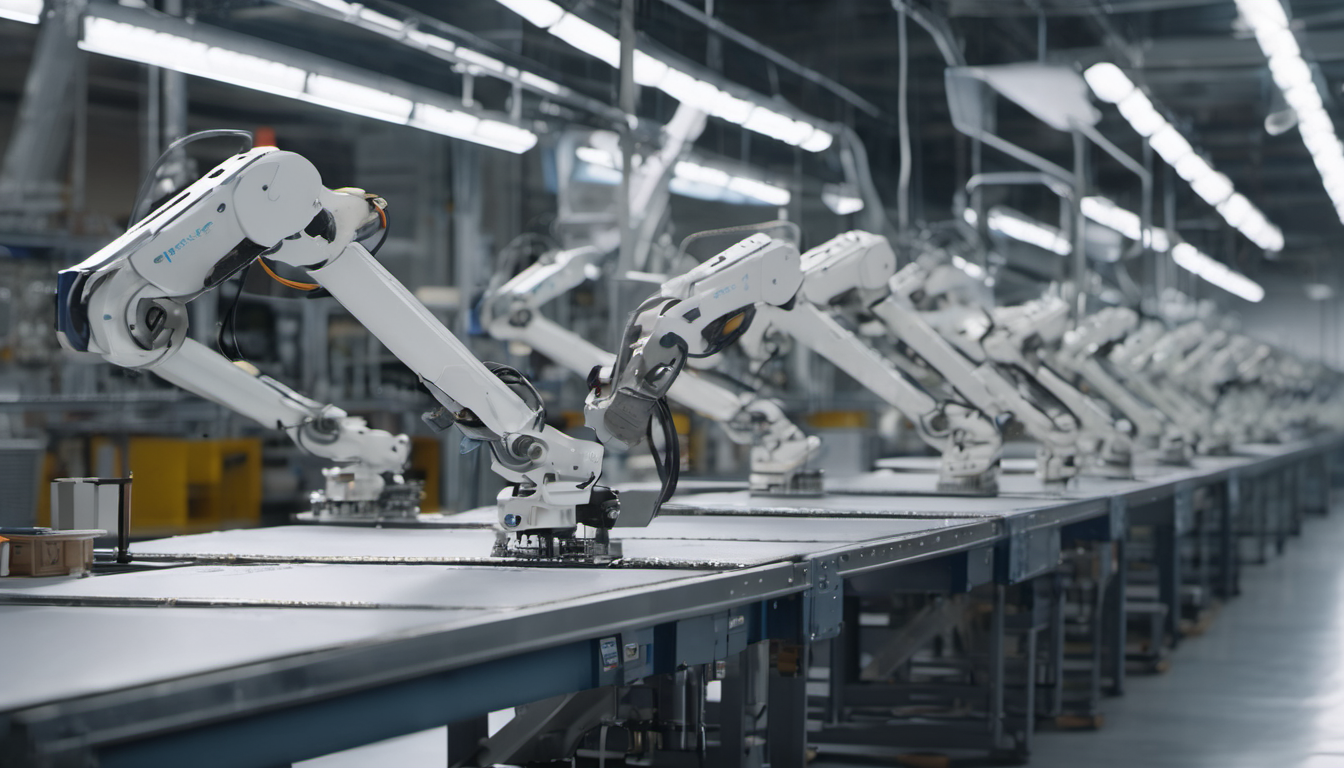
Tesla now builds several hundred Optimus units a week. That’s up from a few dozen a week in Q2, The Information reported on September 25, citing three people familiar with the robotics program. Call it roughly a tenfold jump in weekly output inside two months. The same sourcing carries the number that matters more. None of the units built this year are doing paid, revenue-generating work. They are internal test units, training-data collectors, and line-qualification hardware.
What actually changed on the line
The pace, in the sourcing’s own terms, moved like this. Q2 2026 ran a few dozen units a week, small-batch testing only. August 2026 reached several hundred a week. Tesla’s stated year-end target is over 1,000 units a week, running on a continuous, largely automated line, a different production method than the current batch process. The long-run number Musk has floated separately is roughly 20,000 units a week, with no date attached to it. Training data behind the AI now runs past 500,000 logged hours, with an internal goal to roughly double that by year-end. Each individual unit still needs several days of training before it can hold even a narrow task reliably.
The hand is where the manufacturing story turns specific. Per the report, the hand and forearm assembly contains more than 100 individually hand-assembled screws and small components. That is a line problem as much as a robotics one. Automotive assembly runs on parts that snap or press into place, not parts a technician threads by hand, one at a time, at volume. Touch sensors in the hand have proven unreliable enough that Tesla’s stated fix is a replaceable “sensing glove,” due as a running change sometime next year. Chinese component suppliers have struggled to hold quality steady once volume ramps, and fixture misalignment on the line has been producing units that need rework after they come off it.
None of that is unusual for a first-generation line building a product category with no existing supply chain behind it. It is, however, a long way from the “soon” Tesla offered investors on the July earnings call.
The delta: a line is finally running
The Ningbo audit told us where Tesla plans to source its next leg of volume. This report tells us something the audit didn’t. For the first time, Tesla has moved production off the number that defined the story all year. Zero was the headline in July. Several hundred a week is the headline now. That is the actual news here, and it is a narrower claim than it sounds. The 50,000-unit order was already booked before this report; what’s new is that a production line is running at a real cadence and generating real units, even while the AI riding on top of it isn’t ready for anything beyond controlled testing.
Set that cadence against the neighborhood it is entering. UBTech’s Liuzhou plant is built for more than 10,000 units a year from a single site, one robot every 10 minutes, and those units ship to paying customers. Unitree has built roughly 18,000 bipedal humanoids cumulatively since its founding, sold across multiple customers. XPeng started running its own automated IRON humanoid line in Guangzhou this month, aimed at commercial sales in 2027. All three of those programs measure progress in customer contracts. Tesla, at several hundred units a week, is still measuring progress in training-data hours.
That gap is the whole story. A line producing hundreds of robots a week reads, on its own, like the ramp people have been waiting two years for. Paired with zero units doing useful work, it reads instead as a company that has solved the easier problem, building the body at volume, while the harder one is still an open R&D program running inside the same walls as the assembly line. The hard problem is a general-purpose brain trustworthy enough for one real task in one real facility, and Tesla’s own reporting says that problem is not solved yet.
There is a second read worth naming plainly: production volume and deployment readiness are two different curves, and this report is evidence Tesla’s manufacturing curve is now moving faster than its software curve. That is not the order analysts expected two years ago, when the bottleneck was assumed to be hardware. It has become, on Tesla’s own account, the opposite.
What this means for the jobs the robot was supposed to take
If your job keeps getting described as the kind of thing a humanoid will eventually do, warehouse picking, kitting, basic material handling, the number to hold onto is not hundreds of units a week. It is zero doing paid work. A robot sitting on an internal test line, no matter how many of them Tesla builds, is not a labor-market event until it is covering a shift a person used to work.
Two milestones would actually convert this manufacturing scale into deployment readiness. The first is the continuous automated line Tesla is targeting by year-end. The second is the sensing-glove fix due sometime next year. Until both land, Tesla is manufacturing well ahead of the robot’s ability to work. That leaves Optimus behind, not ahead of, the humanoid programs already inside paying customers’ operations: Unitree’s roughly 18,000 cumulative units sold, UBTech’s Liuzhou output shipping every 10 minutes, XPeng’s IRON line now running toward 2027 sales.
The jobs this specific robot puts at risk are still theoretical. The jobs already changing sit elsewhere: kitting roles at plants running Chinese-made humanoids, warehouse slotting under active UBTech and Unitree deployments. Those are the ones worth tracking more closely than Tesla’s weekly production count, right up until the day that count includes a robot doing something a customer is actually paying for.