On August 28, Roy Belak, senior vice president of robotic grasping at Locus Robotics, named a ratio that warehouse automation vendors normally leave out of the deck.
In warehouse operations, he said, suction is “60% to 70% of the time, it’s all you need.” The hard part is the remaining 30% to 40%.
That sentence deserves to sit by itself. The industry has spent a decade quoting ROI and picks per hour, and almost nobody states what share of the actual item mix a machine can currently handle. Belak stated it, from the vendor side of the table.
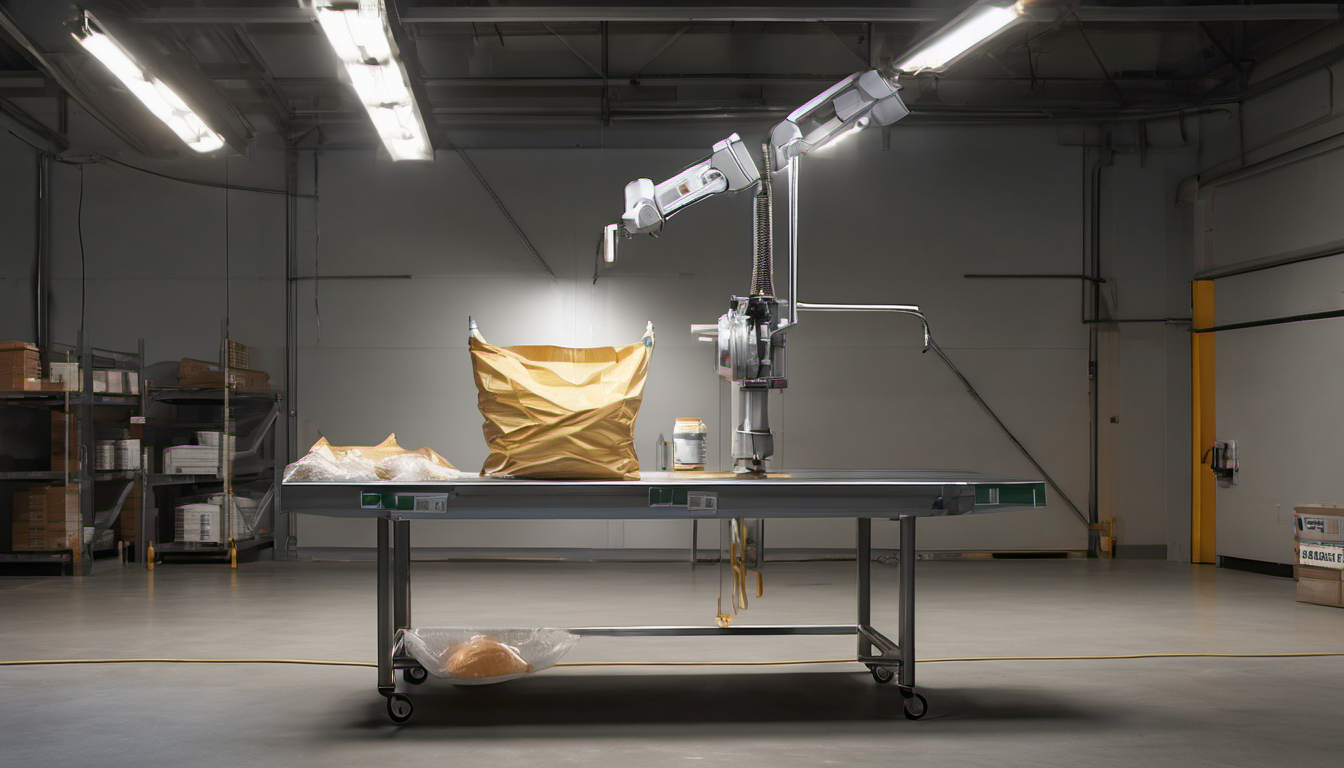
Belak came to Locus as CEO of Nexera Robotics, the Vancouver company behind NeuraGrasp, a soft end effector that combines suction with pinching and can lift small containers, porous polybags, and cloth items: the things suction cups drop. Locus acquired Nexera, and Belak came with the technology.
Six billion picks, all inside the easy half
Locus AMRs have assisted more than 6 billion picks. It is a large number, and it describes a specific division of labor: the robot navigates, the human reaches. Taking the human out of the reaching step started in March 2025, when Locus launched Array, a mobile manipulator with a vision-guided picking arm.
Array is shipping to early customers with its original suction gripper. Belak expects Nexera’s technology on the robot by its next public showing.
Back the ratio out and the shape is clear. The 60% to 70% suction covers is rigid cartons, flat surfaces, hard packaging. Those roles have been thinning for two years. The 30% to 40% left over is where a person still has to put a hand in: soft packaging, mesh and porous bags, textiles, irregular shapes, crushables.
That 30% to 40% is exactly what Locus paid for.
For comparison: Amazon’s Vulcan, which took RBR50 Robot of the Year in May, reported 75% coverage of unique SKUs, and it got there on force and torque sensing plus vision, which is machine touch. Belak’s 60% to 70% is the ceiling for suction alone. The spread between those two numbers is the ground the whole sector is fighting over right now.
The blocker is touch, and touch does not simulate
Belak named two roadblocks: AI, and giving robots a sense of touch.
The industry builds capable hands and electromechanical structures, he said. What lags is the intelligence driving them — proprioception, data metrics, feedback mechanisms. On touch specifically he was blunt: robust, reliable touch that does not degrade after limited use is hard to simulate and hard to generate data for. His words: “I don’t think that simulated data is going to help with this problem very much.”
That statement matters more on the labor side than on the technical side.
If simulation cannot close the gap, the only path is real machines running real sites. Belak said so directly. Array is in early deployment, and Nexera has not yet seen the windfall of data that arrives once the fleet scales.
Which means the 30% to 40% a person is still doing is precisely the 30% to 40% the robots are about to collect data on. The work itself is the training set. We have covered this pattern before, in RLWRLD putting body cameras on convenience store staff to capture hand motion and in Generalist training robot brains on human demonstration data. Those were deliberate collection programs. This one is a byproduct.
Locus is selling quality, not speed
The other passage worth marking: Belak said Locus is prioritizing reliability and pick quality over speed.
His reasoning is that suction has a performance ceiling but is extremely reliable, while pinch grasping can slide from marginally reliable to very unreliable as complexity rises. He then said the thing that names the industry’s soft spot: picking has historically been a field where the claims focused on return on investment without anyone understanding the underlying quality. Locus is targeting product damage, double picks, and mispicks.
In hiring terms, that passage is heavier than the percentage.
Quality has always been the human’s contribution on a warehouse floor. Not picking fast — picking correctly, picking without breakage. When a vendor stops leading with rate and starts leading with quality, it has stopped selling “help your picker go faster” and started selling “replace the person who gets it right.”
How fast the 30% line moves
A usable frame for anyone still working a fulfillment floor.
Relatively safe in the near term: the touch-dependent slice of that 30% to 40%. Soft packaging, textiles, fresh goods, mesh bags, crushables that need force judgment. Machines drop these today, and by Belak’s own account simulation will not fix it soon.
Contracting fast: cartons, pallets, rigid containers. Suction solved these already; what changes now is that the robot reaches instead of walking alongside someone who reaches. These roles will not vanish in one announcement. They exit as “same order volume, fewer shifts scheduled,” the same shape we documented at Walmart, where 3,100 stores completed automation and total headcount stayed flat.
Expanding: three categories. Fleet maintenance and exception handling on the floor. Pick-quality adjudication, deciding which grasp counts as good, which happens to be the label the training run needs. And cross-system coordination, because a 2026 fulfillment center is never one system, it is a pile of vendors’ robots sharing a floor.
The variable that sets the clock is how fast the data comes back. DHL global CIO Sally Miller put it plainly in May: does it reduce our dependency on labor? Yes, it does, and if anyone says otherwise she does not think they are being truthful. She was describing 8,000 robots across 2,800 sites, running the suction generation.
Belak just published the progress bar for the next one. Sixty to seventy percent is done. Inside the remaining thirty, the robots are learning on the job.